
Last updated November 17, 2026
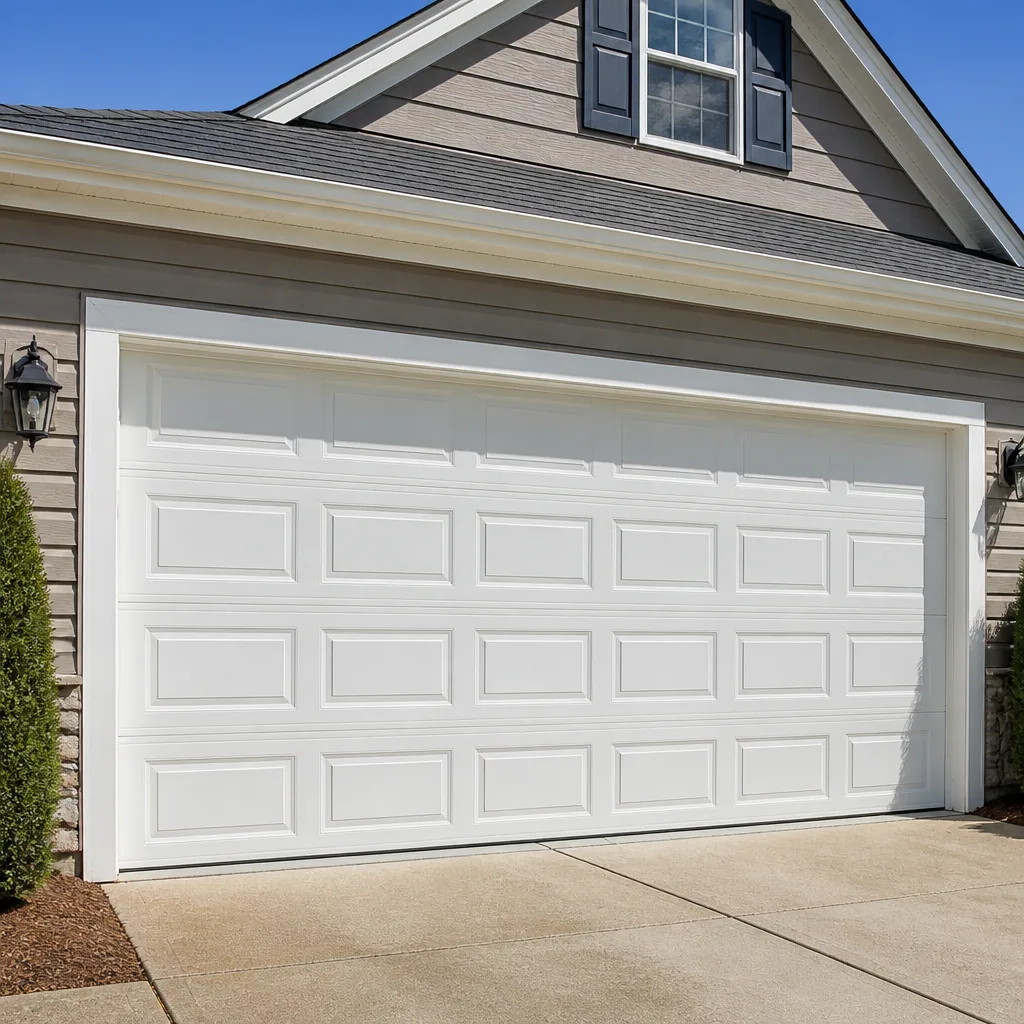 Raised-panel steel
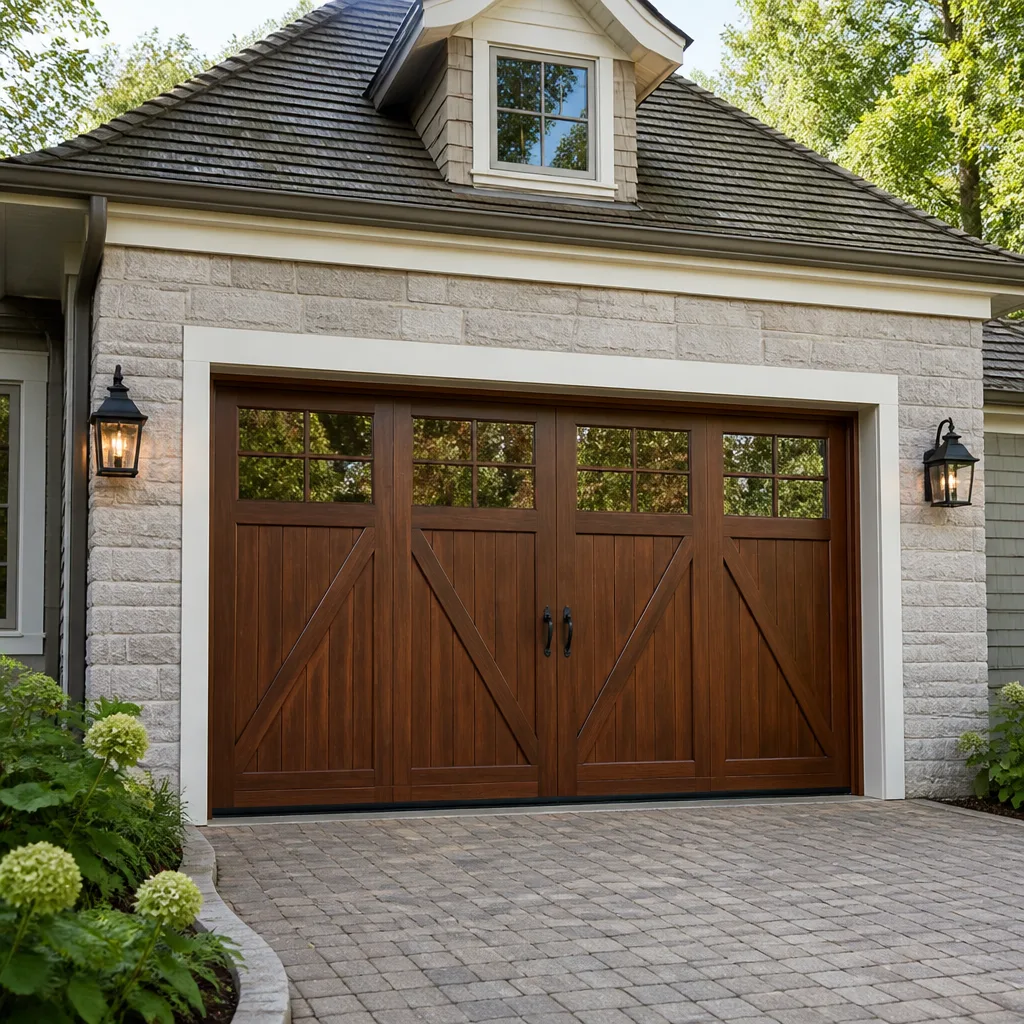 Carriage house
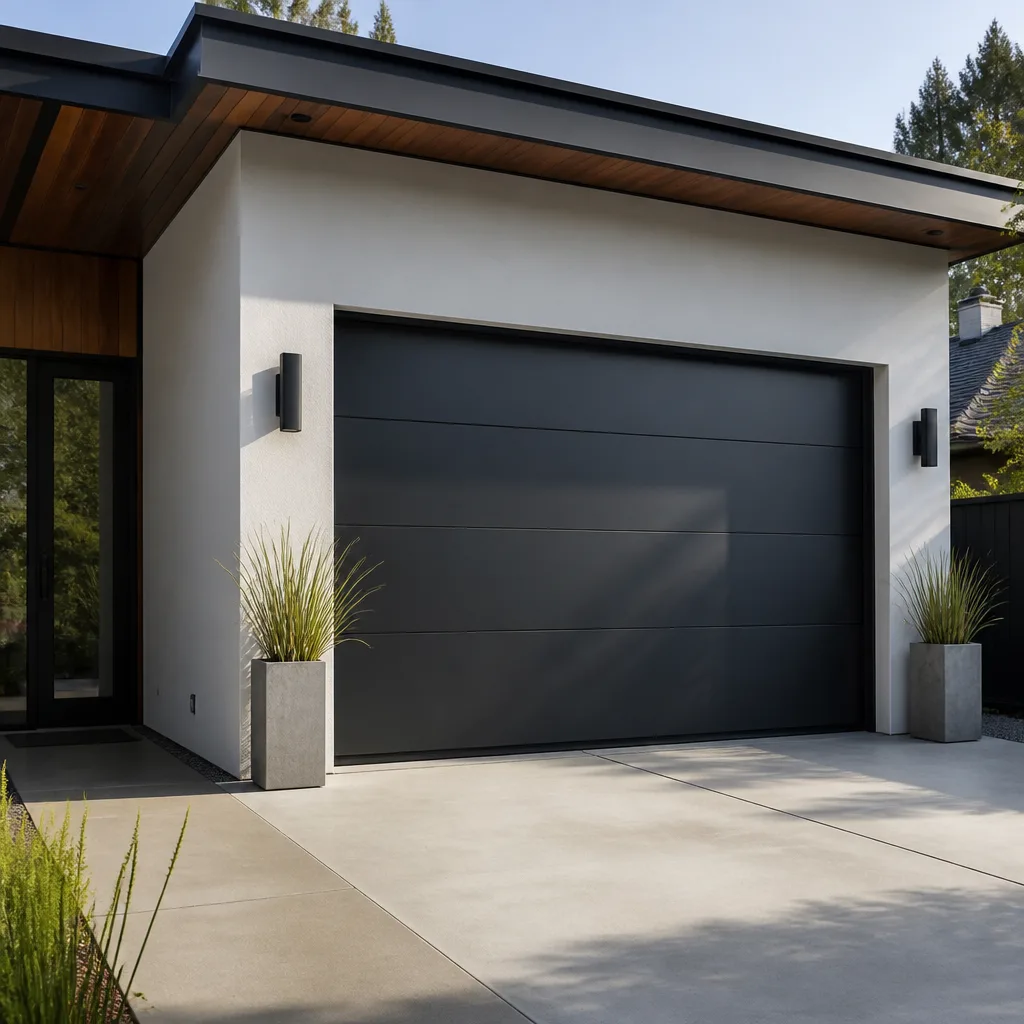 Modern flush
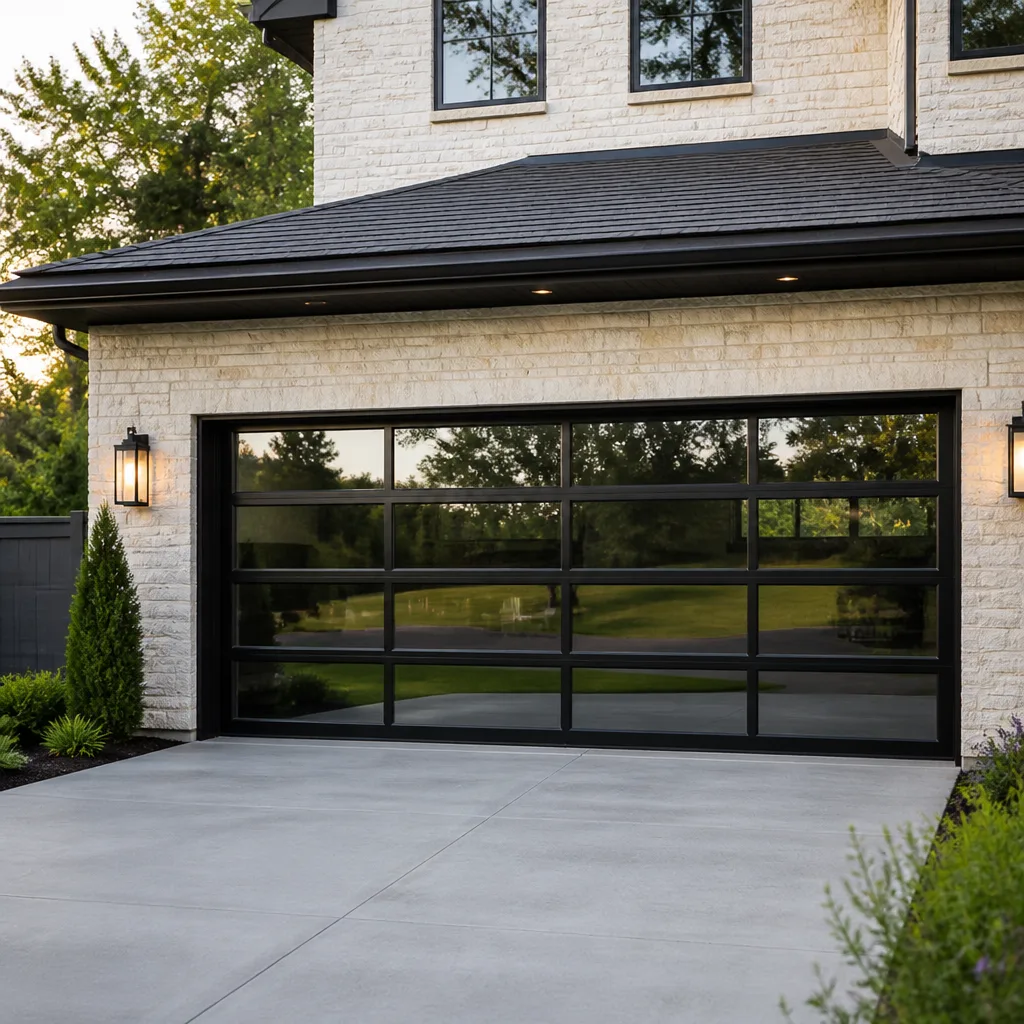 Full-view glass
 LiftMaster openers
 Chamberlain openers
Full 25-point door and opener safety check with every visit - springs, cables, rollers, tracks, and your LiftMaster or Chamberlain opener included
You get a price before we start. It does not change when the pro arrives.
Get your free estimateSeasonal Garage Door Care for Summerlin: Year-Round Homeowner’s Guide
A steel garage door panel expands roughly 0.006 inches per linear foot for every 10°F of temperature rise. A 16-foot double door in Summerlin sees about 80°F of swing between a July afternoon and the same night, which works out to nearly a tenth of an inch of panel movement every day, every day of summer, flexing the fasteners, hinges and weatherseal joints that hold the system square. Summerlin doesn’t run four equal seasons. It runs two mechanical stress peaks separated by two shoulder periods. This guide is built around those peaks so you know which parts are being worked hardest, and when.
Quick Answer
Garage door care in Summerlin should be scheduled around two stress peaks, not four seasons: a pre-summer service in April (seal gaps, inspect torsion springs before high-cycle heat stress, torque fasteners) and a November – December winter adjustment (spring tension, track alignment as temperatures swing). Summer monsoon moisture between July and September is the only window when track rust and weatherseal swelling actually matter here, so prevention belongs on the May checklist. Everything else is monthly lubrication and a visual check.
Styles & brands we work with
- Raised-panel steel
- Carriage house
- Modern flush
- Full-view glass
- LiftMaster openers
- Chamberlain openers
Table of Contents
- Why Summerlin Is Harder on Garage Doors Than Most Buyers Expect
- April Prep: Sealing Before Monsoon Dust and Pre-Stressing the Springs
- July – September: The Monsoon Protocol for a Desert Door
- November – December: Contraction, Spring Tension and What Adjustment Actually Is
- Reading Weatherseal Failure: UV Degradation vs. Compression Set
- The Annual Lubrication Cycle: Products and Application Points
- Fasteners, Hinges and Rollers: The Fastener-Torque Pass
- Brand Notes: LiftMaster, Chamberlain and Craftsman Systems in the Desert
 Before
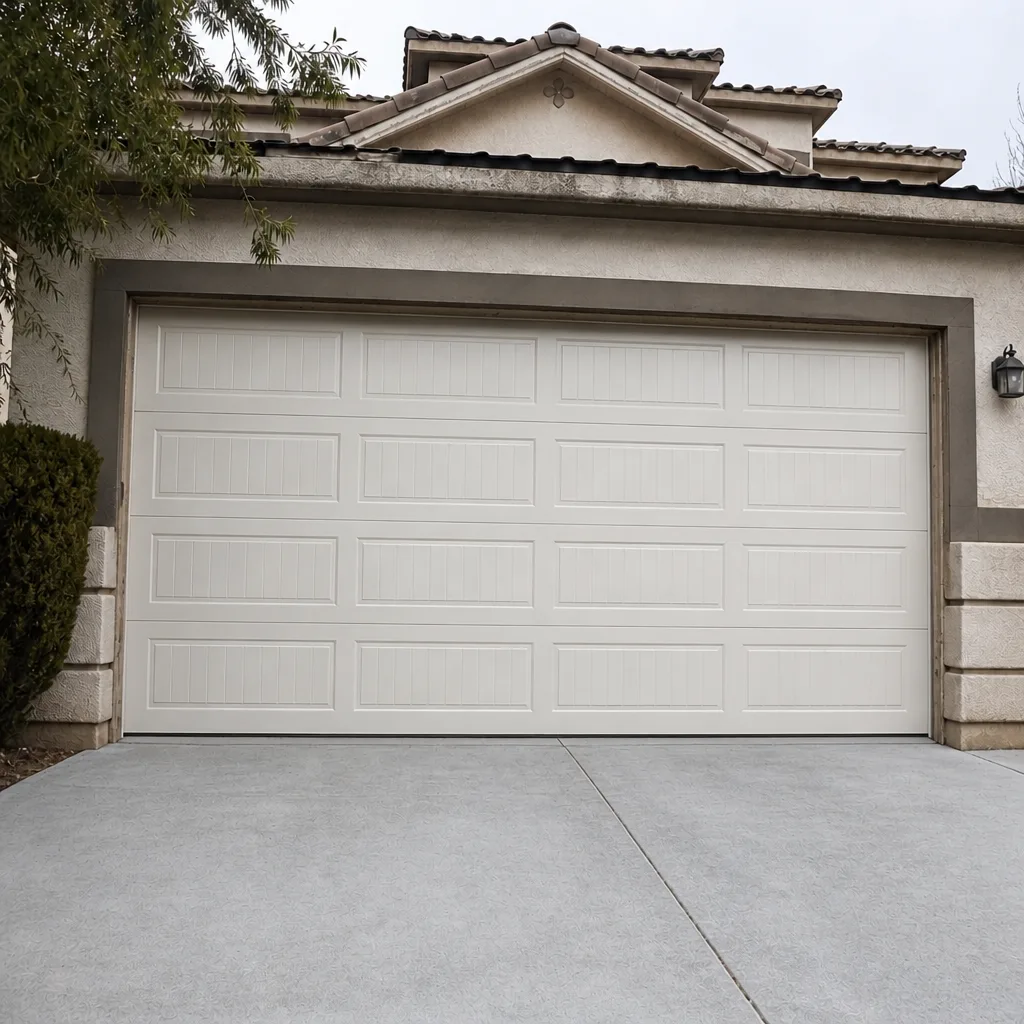 After
Why Summerlin Is Harder on Garage Doors Than Most Buyers Expect
The math at the top of this page is the whole story. Metal moves when it heats, and Summerlin homes sit on west- and south-facing driveways that bake a steel panel to well over 140°F surface temperature by 3 p.m. in July, then drop fast after sundown. The panel doesn’t crack from the heat itself. It cracks because the fasteners that hold the panel to the stiles, and the hinges that tie sections together, are asked to absorb that expansion cycle over and over.
In our experience across Summerlin, the parts that fail first are never the big obvious ones. They’re the fasteners that back out a quarter turn at a time, the bottom weatherseal that hardens, and the torsion spring wire that was rated for a cycle count the desert accelerates. A torsion spring is the coiled bar above your door that counterbalances its weight and does all the lifting work. It doesn’t care about the season. It cares about cycles, and a door that runs two or three times a day in a household that parks two cars in Summerlin reaches its rated cycle count faster than the manufacturer’s number suggests.
What that means for care is simple: the calendar matters less than the stress events. April is your last clean window before the heat sets in. November is your first clean window after it breaks. The rest of the year is maintenance between those two passes. If you want the broader picture of how the system fits together, our Servo Garage Doors Summerlin home page lays out the full service map.
April Prep: Sealing Before Monsoon Dust and Pre-Stressing the Springs
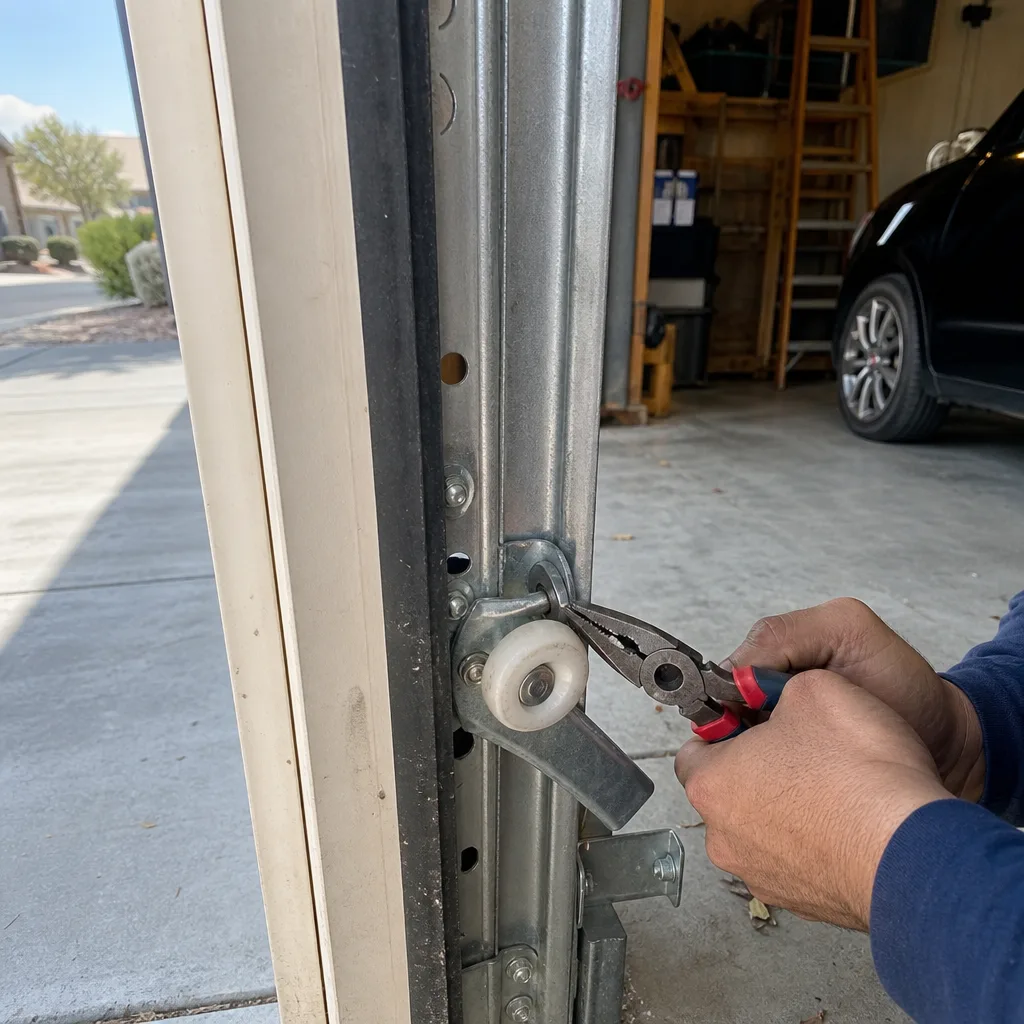
April in Summerlin is the month to close gaps before the summer dust and monsoon moisture find them. By June, dust has already worked into every loose joint, and any weatherseal gap becomes a channel. Here’s the April checklist we walk through on a pre-season visit:
- Walk the perimeter seal. Run a hand along the bottom weatherseal and the side jambs. Any gap that lets daylight through will let dust and wind-driven rain through by August. Note the location, not just the presence.
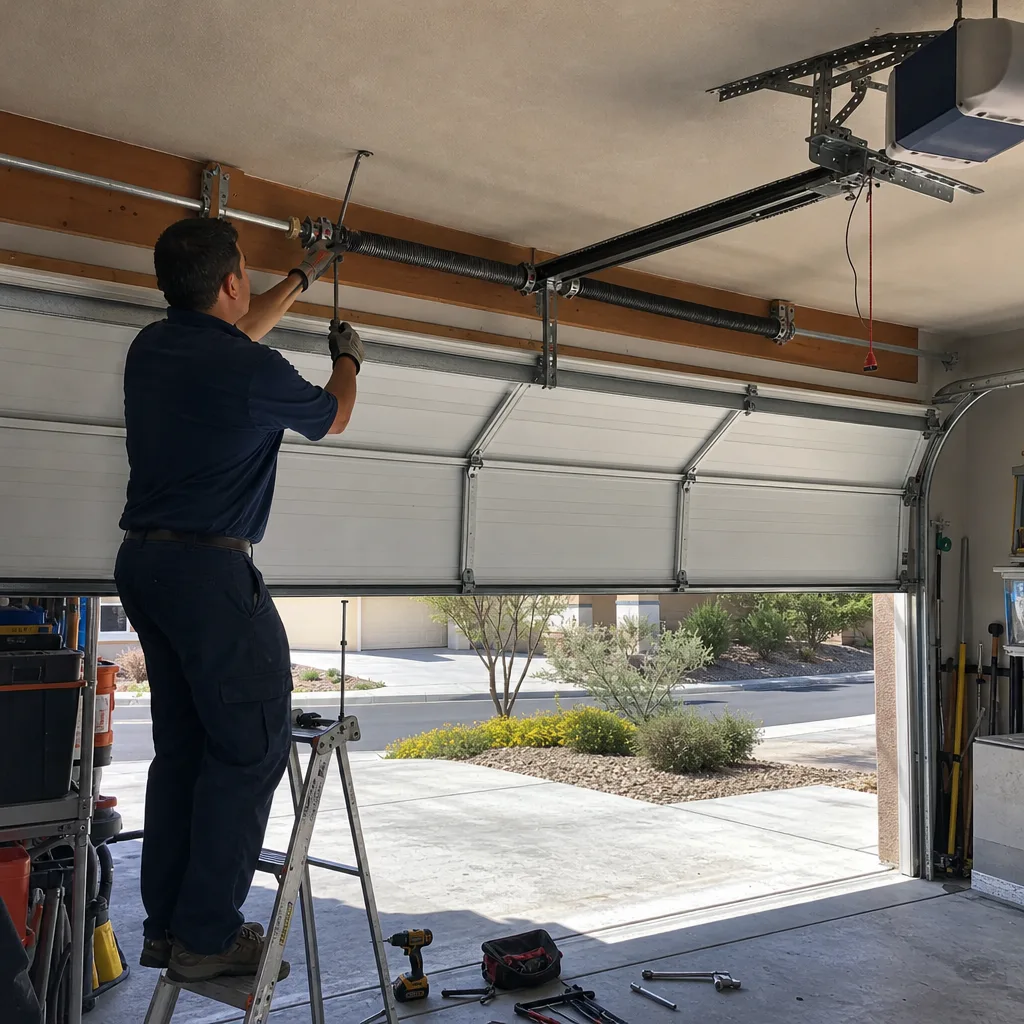
- Inspect the torsion springs for wire fatigue. Look for a visible gap between coils, rust at the coil ends, or a stretch that’s no longer even. Don’t touch the springs to test them. They’re under enough stored energy to cause a serious injury, which is why this is a look-only step. A trained technician handles tension adjustment and replacement.
- Torque the hinge screws and panel fasteners. A quarter-turn pass on the hinges and stiles re-seats everything before the expansion cycle starts working them loose again.
- Test the safety reverse. Put a 2×4 flat on the floor under the door and close it. A door that reverses on contact is doing its job. One that doesn’t needs an opener adjustment or repair, not a workaround.
- Check the opener’s force setting and travel limits. A door that’s binding slightly in the tracks can overload the opener through the summer.
- Clear the tracks by hand. Wipe the vertical and horizontal track channels with a dry cloth. Grit left in the track grinds the rollers, and rollers are cheaper to protect than to replace.
If any of these turns up a real problem, it’s cheaper to fix it in April than to discover it in a July emergency. Our Garage Door Repair in Summerlin service handles the fixes that come out of a pre-season inspection, and the estimate is written before anything is touched.
July – September: The Monsoon Protocol for a Desert Door
Monsoon season is where Summerlin doors surprise people, because Summerlin is dry until it very much isn’t. Between July and September the valley gets bursts of moisture, and a garage that has gone nine months without rain suddenly has humid air moving into it. That combination is what causes track rust on a door that otherwise lives in a dry climate.
The mechanism is straightforward. Steel track sprayed with dust all spring holds that dust against the metal. Add moisture and you get surface oxidation in the grooves where the rollers ride. It’s not deep structural rust, but it’s rough, it raises friction, and it eats through rollers and wears the opener’s motor faster. The same moisture swells a weatherseal that’s already UV-hardened, which is why a seal that looks fine in June can start binding in August.
What to do during monsoon season:
- Wipe tracks dry after a storm, then re-lubricate. A wet track left to sit is where rust starts. Dry cloth first, then a light coat of a garage-door-specific lubricant (not WD-40, which is a solvent, not a lubricant).
- Check the bottom seal for standing water. If water pools under the door after a storm, the seal is compressed or the threshold needs attention. A swollen seal dragging on the floor is a friction problem for the opener.
- Listen to the door cycle. A new grinding or groaning sound during monsoon months usually points to a dry track, a worn roller, or a seal dragging. It’s cheaper to investigate than to ignore.
- Don’t pressure-wash the tracks. A common mistake. Water forced into the roller pockets is exactly what you’re trying to keep out.
If a monsoon storm leaves you with a door that won’t close fully or tracks that grind, Garage Door Opener Repair & Installation in Summerlin covers the opener side, and a repair visit handles the tracks.
November – December: Contraction, Spring Tension and What Adjustment Actually Is
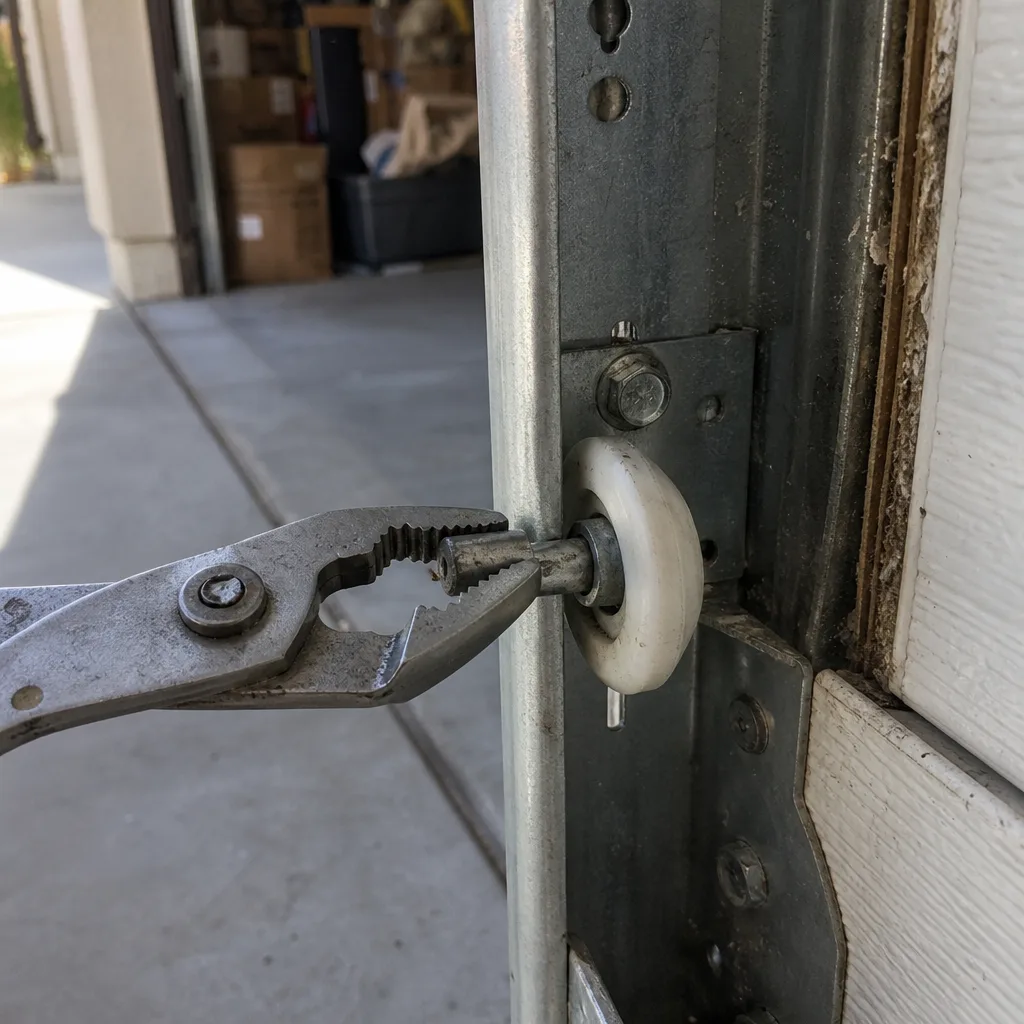
Winter is the other stress peak, but for a different reason. Summerlin nights drop below 40°F in December and January while the afternoons can still reach 65°F within hours. That’s contraction followed by expansion, every day, on the same fasteners and springs that just came off a summer of expansion. The daily range is smaller than summer’s, but it’s happening on parts that are already fatigued.
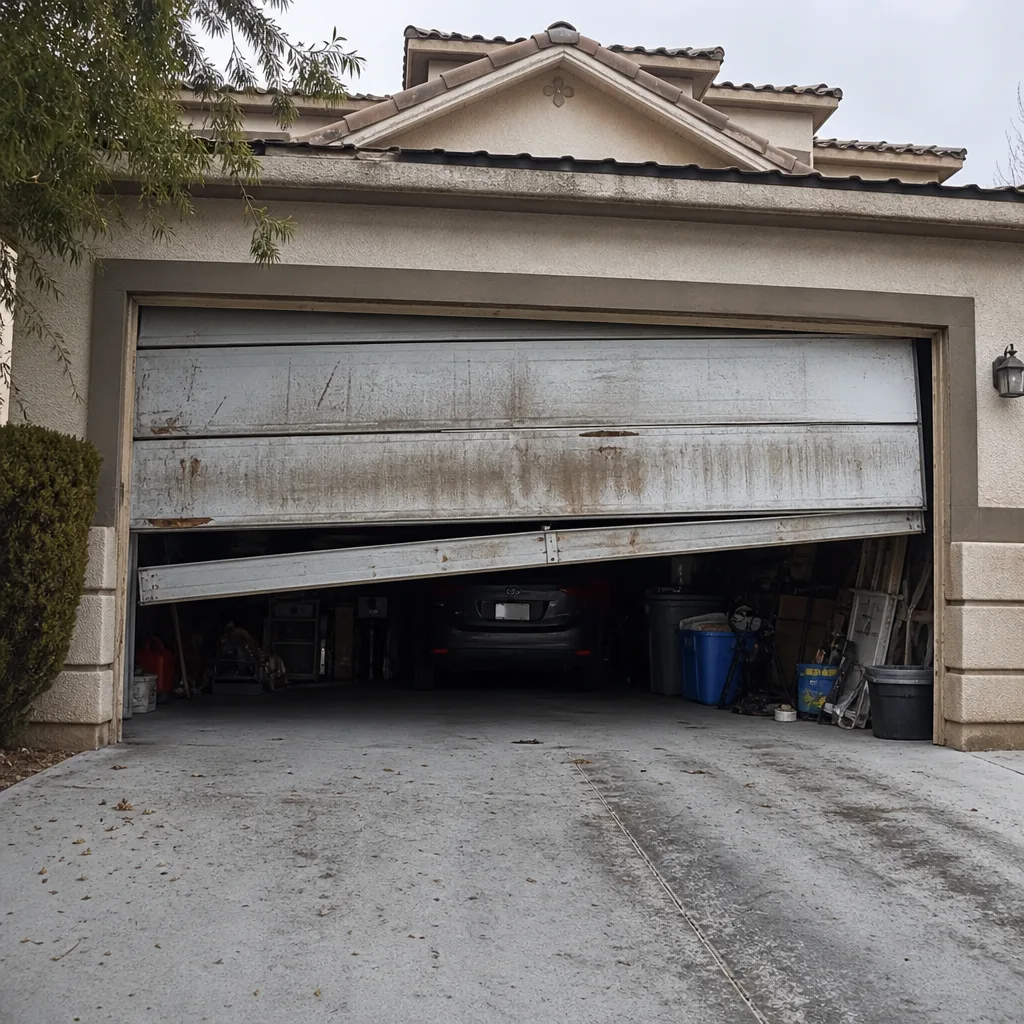
Torsion springs lose tension as temperatures drop, which is why a door that felt balanced in October can feel heavier in December. A balanced door should lift easily and stay put around halfway up. If it slams or feels like you’re lifting a truck, the spring tension is off. What adjustment actually involves is this: a trained technician measures the current tension against the door’s weight, re-sets the spring wind, and confirms balance before the door goes back into service. It is not a DIY job. A wound torsion spring stores enough energy to break bones or worse, and turning one wrong can send the door crashing. The single most important thing you can do in November is recognize the symptom and call a professional.
Winter checklist:
- Test the balance. Disconnect the opener (pull the release cord) and lift the door halfway by hand. It should hold. If it drops or rises on its own, the spring tension needs adjustment.
- Check for a door that hesitates on the way up. The opener will start straining. That’s a symptom of lost spring tension, not a failing opener.
- Listen for pops or bangs. A sharp sound from the spring bar is a warning sign, not normal operation.
- Re-torque the hinges. The summer cycle loosened them; the winter cycle finishes the job if you don’t catch it.
Reading Weatherseal Failure: UV Degradation vs. Compression Set
Most homeowners replace a weatherseal when it looks bad. The two failure modes look similar but have different causes, and knowing which one you have tells you whether a replacement will actually solve the problem.
- UV degradation. The rubber or vinyl has gone hard and chalky, with visible cracking on the surface. Summerlin’s UV load is fierce, and a seal rated for a cooler climate can harden within a couple of seasons. If the surface is brittle and cracks when you press a thumbnail in, that’s UV.
- Compression set. The seal still feels soft but has taken a permanent flat shape at the contact point. It no longer springs back to fill the gap. This is from constant pressure against the floor, and it shows up more in doors that sit closed for long periods.
The replacement trigger differs. A UV-hardened seal that’s still sealing is fine for now, watch it. A compression-set seal that’s flat at the contact point is letting air and dust in even if it looks whole. The fix for both is replacement, and that’s a low-cost, same-day repair. What you don’t want is a seal that’s been compressed for two winters and is now the reason your door won’t close level.
The Annual Lubrication Cycle: Products and Application Points
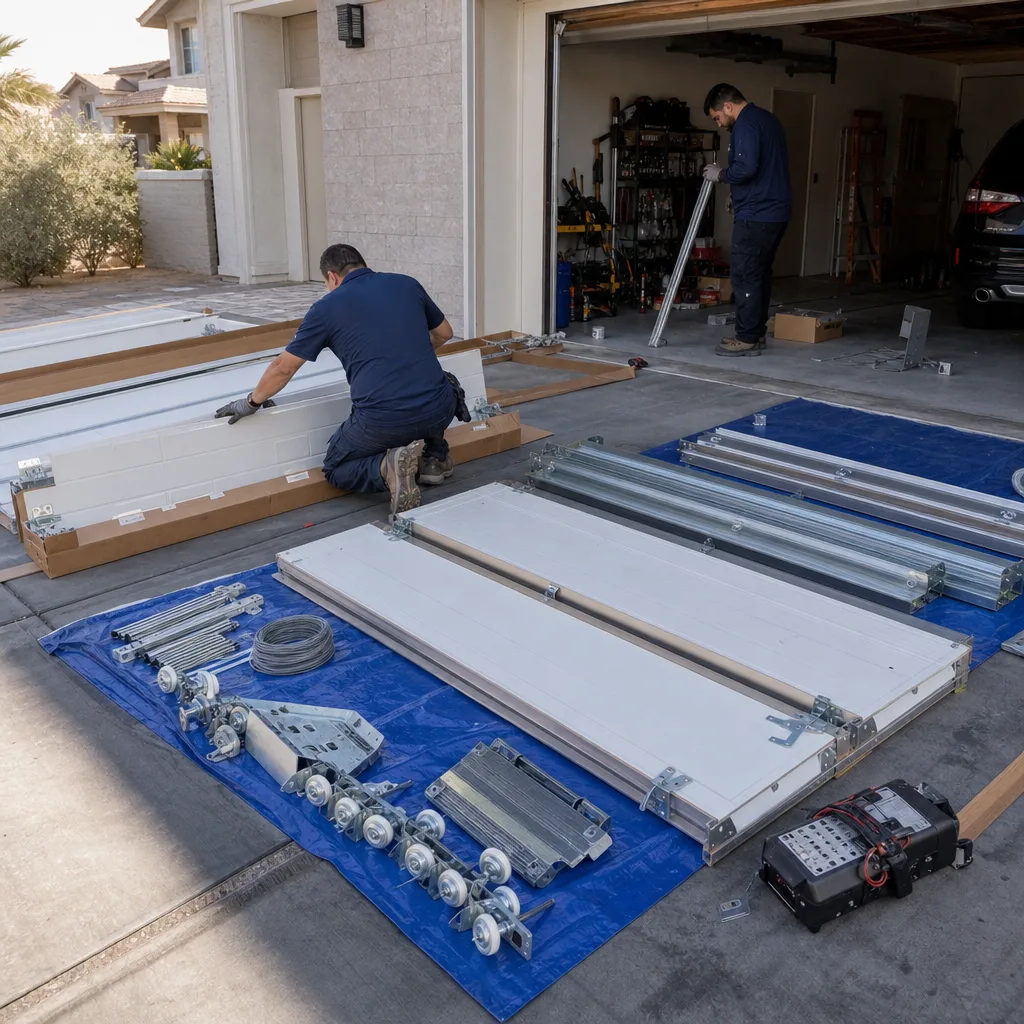
Lubrication in Summerlin isn’t a monthly chore so much as two annual passes (spring and fall) with spot checks in between. The product matters less than the application. Use a garage-door-specific white lithium grease or silicone spray. Avoid WD-40 as a lubricant and avoid any product that attracts dust, because a tacky track in Summerlin collects grit all summer.
Apply at these specific points:
- Hinges: one drop at each pivot pin, both sides of every hinge.
- Rollers: a light spray at the bearing, not the track itself. The track should be clean and dry, not greasy.
- Torsion spring coils: a light coat along the coils to reduce friction between windings. This is a spray-and-leave step. Don’t put your hands on the spring.
- Trolley carriage: the rail the opener’s carriage rides on gets a light coat, not a heavy one.
- Weatherseal contact point: a silicone spray on the bottom seal keeps it from sticking to the floor and dragging.
- Lock and handle (if manual): a graphite or dry lubricant, never grease.
That’s the whole cycle. It takes twenty minutes and it prevents most of the friction-driven failures we see on Summerlin doors between seasonal passes.
Fasteners, Hinges and Rollers: The Fastener-Torque Pass
The fastener-torque pass is the least glamorous part of seasonal care and the one that pays off the most. Panel fasteners and hinge screws back out over the expansion cycle. Unchecked, a loose hinge shifts the roller slightly out of the track groove, which wears the roller and eventually binds the door. The whole pass is a screwdriver and ten minutes.
What we’ve seen in Summerlin specifically: doors on the west-facing elevations of homes in The Ridges and Red Rock Country Club work harder than shaded doors because they take the full afternoon sun. Those doors benefit from a mid-summer torque check in July, not just the April and November passes. It’s the same torque pass, done one extra time on the doors that need it. If a fastener is stripped, don’t oversize the hole. A stripped screw in a hinge is a small repair, but a stripped hinge bracket pulling out of a panel is a bigger one.
Brand Notes: LiftMaster, Chamberlain and Craftsman Systems in the Desert
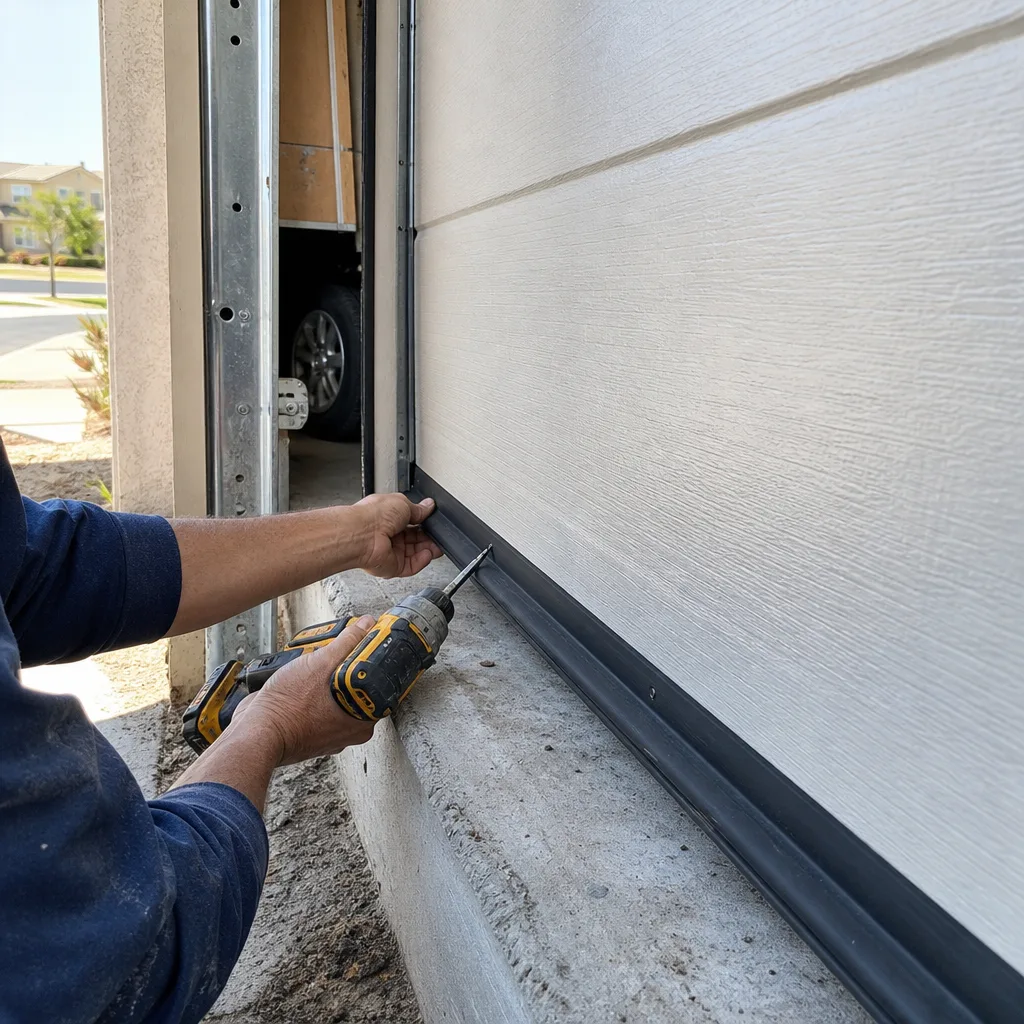
We service all eight major brands, and the seasonal care is broadly the same. A few brand-specific notes come up in Summerlin more than others. LiftMaster and Chamberlain openers share much of the same internal logic, so the force and travel settings behave the same way. A Chamberlain unit that strains in winter is usually telling you the door’s spring tension is off, not that the opener is failing. Craftsman openers show up on homes built in the 2000s and later, and the logic board on older units is more sensitive to a door that’s binding in the tracks. On installation and replacement, Raynor and LiftMaster are common choices here. If you’re at the point of replacing an opener rather than repairing it, get a written price first. Our full guide to Garage Door Installation in Summerlin covers how a new door is measured, ordered and scheduled, and why that work is scheduled rather than dispatched.
Common Mistakes to Avoid
- Treating Summerlin’s calendar like four equal seasons. Care is scheduled around the two stress peaks (April and November), not by quarter. Rotating tasks by season leaves the door exposed at exactly the wrong moment.
- DIY spring adjustment. A torsion spring is stored energy, not a spring on a screen door. It’s the most dangerous part on a garage door and the one repair you should never attempt. Call a technician.
- Greasing the tracks. The track should be clean and dry. Grease on the track in a desert climate collects dust and turns a friction problem into a grinding problem.
- Ignoring a winter door that feels heavy. That’s the spring telling you it’s lost tension. Waiting until it fails is expensive and dangerous.
- Replacing a seal that looks fine. A UV-hardened seal that still closes is not an emergency. Check compression set instead of replacing on appearance alone.
- Pressure-washing tracks during monsoon. Water forced into the roller pockets causes the rust you’re trying to prevent.
- Assuming normal operation means no problem. A door that runs quietly can still be months from failure. The quarterly check catches what the daily cycle hides.
See the difference
BeforeAfter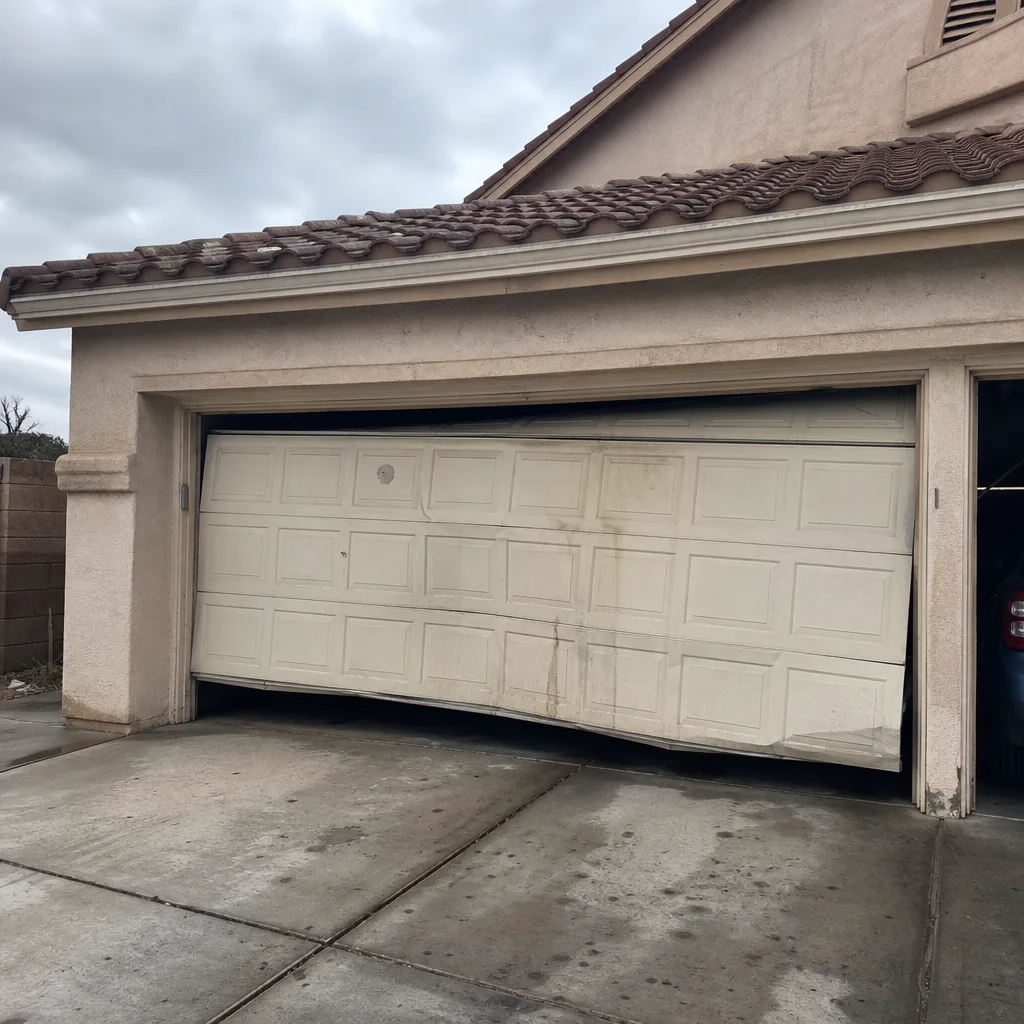 Before
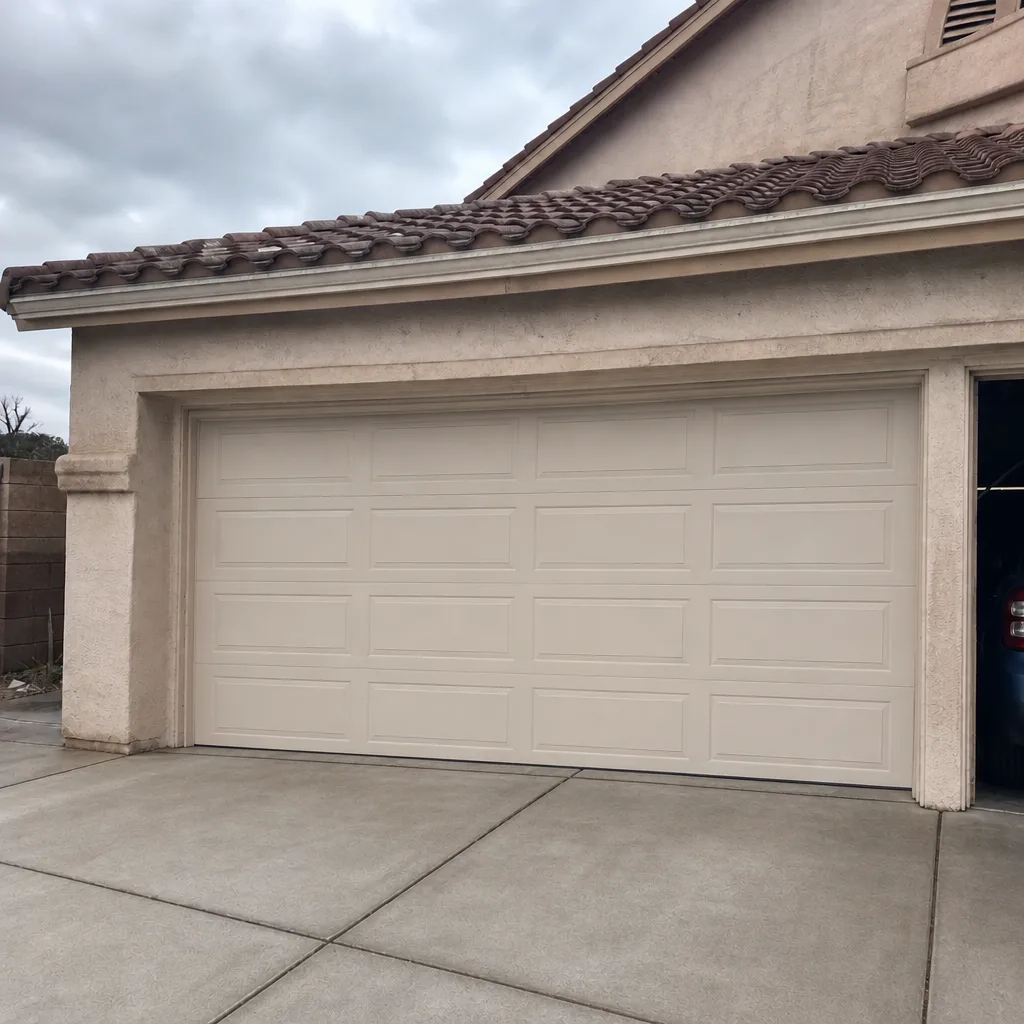 After
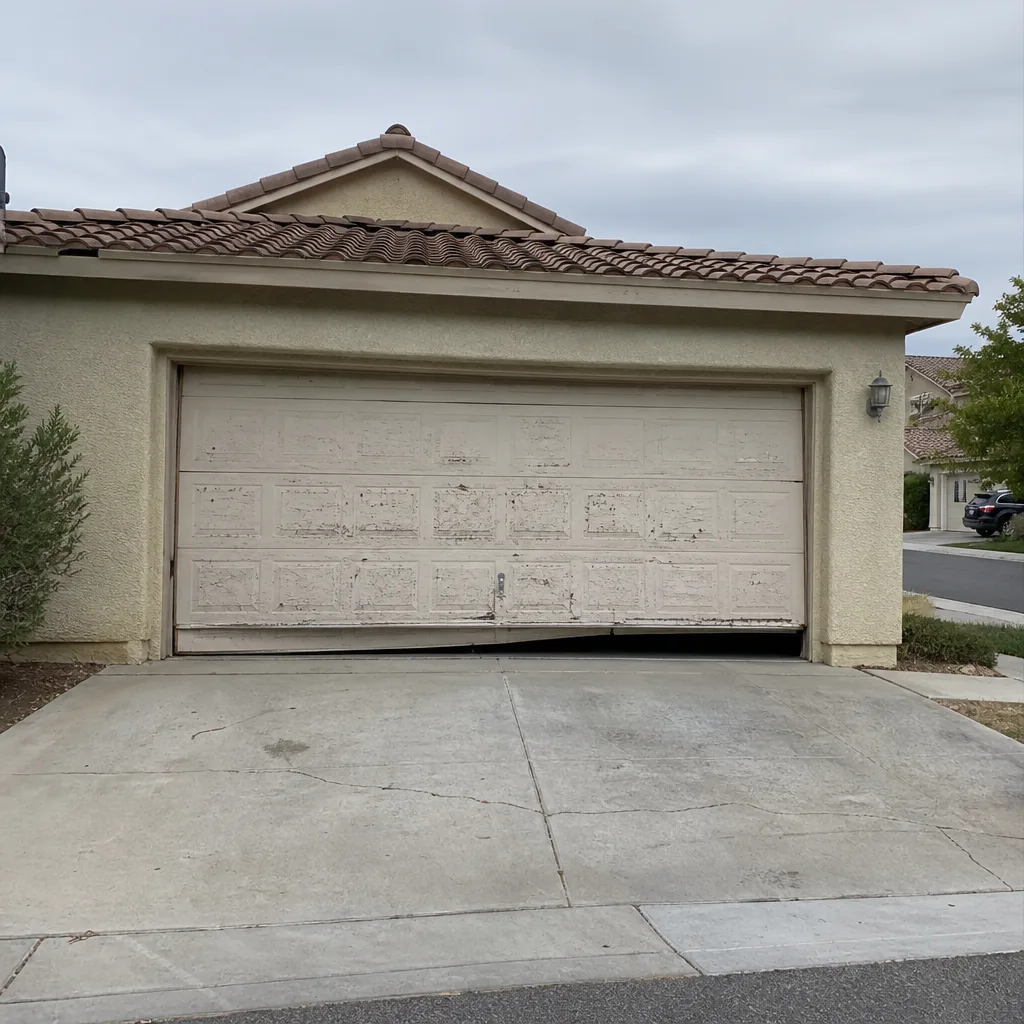 Before
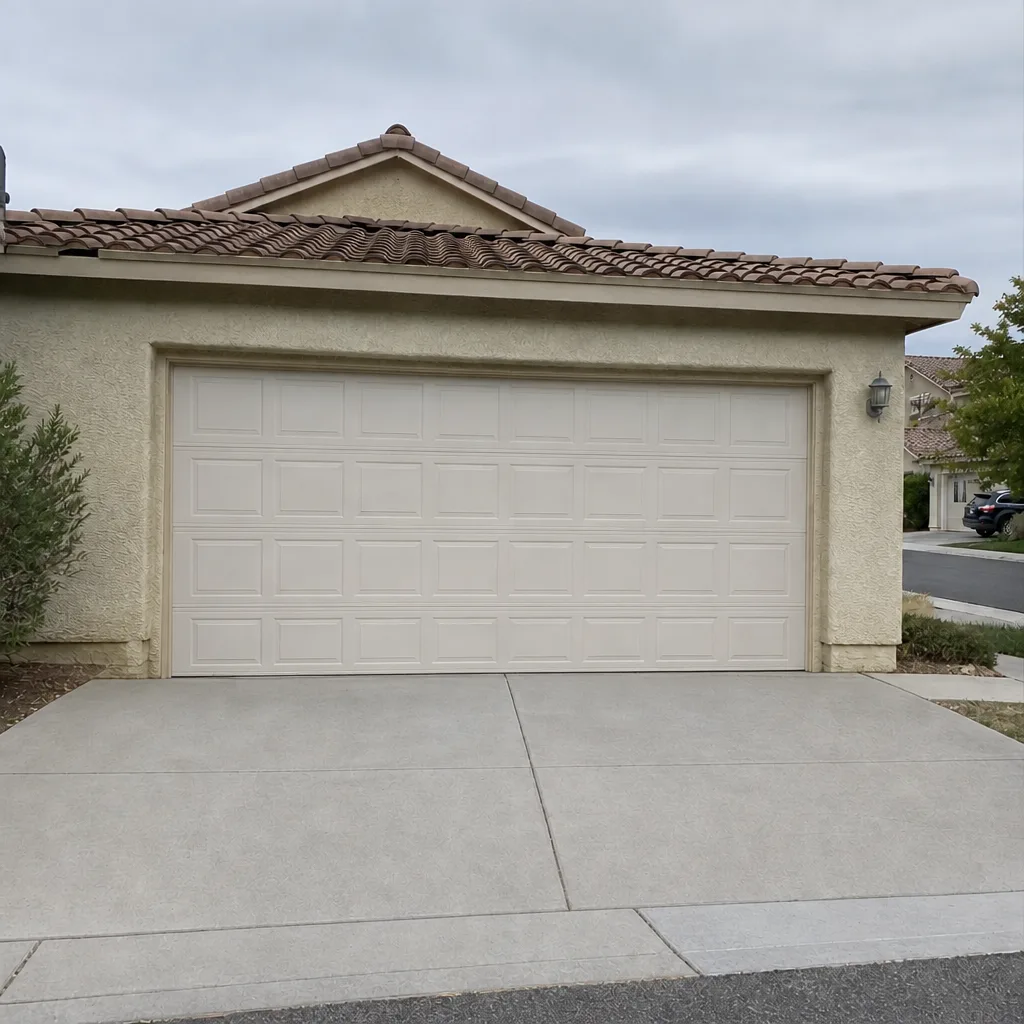 After
When to Call a Professional
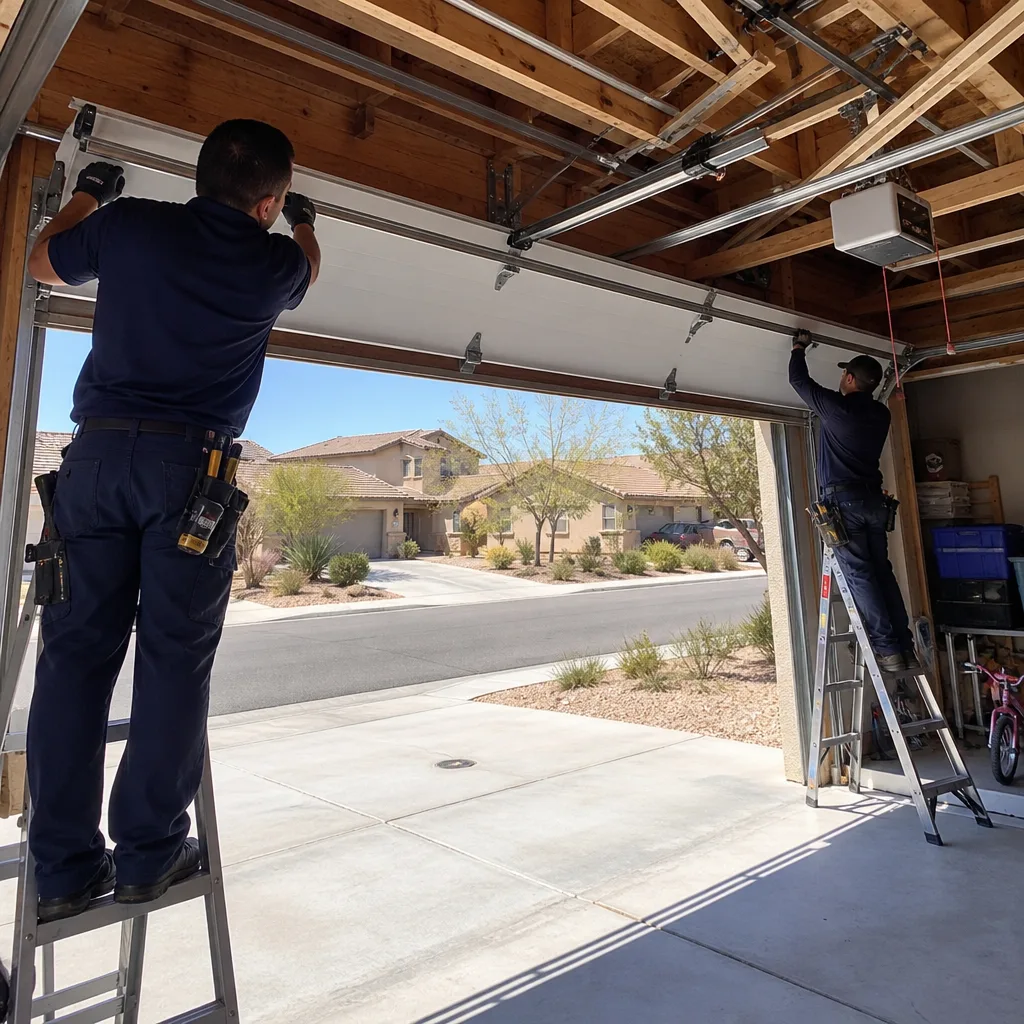
Call a licensed technician for anything involving torsion springs or cables, any repair that requires opening the springs or the opener’s force/limit settings beyond adjustment, and any door that stops closing fully. Those are safety-critical. If you’re not sure, that’s the right time to call. Our technicians have up to 11 years of experience, and every visit includes a documented photo record of what was found and what was done, per Clause 4 of The Haven Standard. Servo Garage Doors Summerlin offers free estimates in Summerlin – call (844) 797-3654. The price is quoted and agreed before any work starts, and calls are answered by a live person, 24/7, including emergency door calls. Our Garage Door Repair in Summerlin page covers the full repair catalog.
Frequently Asked Questions
Schedule the pre-season service in April and the winter adjustment in November – December, because Summerlin’s two mechanical stress peaks are the summer expansion cycle and the winter contraction cycle, not four equal seasons. A monsoon spot-check in July – September covers track rust and weatherseal swelling. Call (844) 797-3654 for a free estimate.
No. A torsion spring stores enough energy to cause a serious injury, so tension adjustment should always be handled by a trained technician. What you can do is test balance by hand – disconnect the opener and lift the door halfway – and call us if it doesn’t hold. Estimates are free at (844) 797-3654.
Check for UV degradation (brittle, chalky, cracked surface) vs. compression set (soft but flattened at the contact point). A compression-set seal that no longer springs back should be replaced; a UV-hardened seal that still seals can wait. Call (844) 797-3654 for a free assessment.
Monsoon-season moisture between July and September meets dust already sitting in the tracks, and surface oxidation forms in the roller grooves. Wiping tracks dry after a storm and re-lubricating with a door-specific product prevents it. Call (844) 797-3654 for a monsoon-season check.
Yes, because torsion springs lose tension as temperatures drop, so a door balanced in October can feel heavier in December. If the door hesitates or slams on the way up, that’s the symptom, and it needs a technician, not a workaround. Call (844) 797-3654.
Yes, the local business is licensed and independently insured, and the price is quoted and agreed before any work starts, per Clause 1 of The Haven Standard. If the scope changes after inspection, we tell you before we proceed, not after. Call (844) 797-3654 for a free written estimate.
The Bottom Line
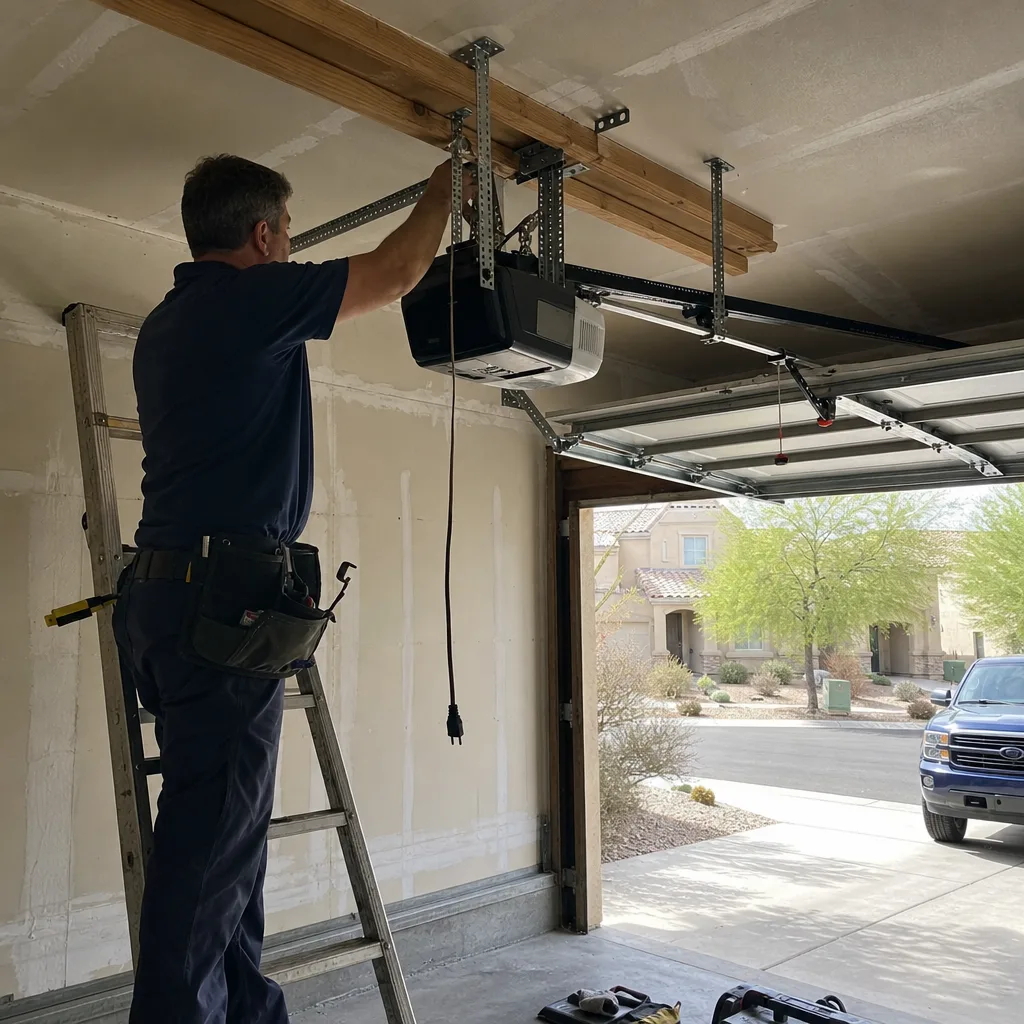
Summerlin’s garage doors live through two stress peaks, not four seasons. The April pass is about sealing gaps and pre-stressing the springs before the heat. The November – December pass is about spring tension and re-torquing fasteners before the contraction cycle. The summer monsoon is the only window where track rust and weatherseal swelling matter here, so prevention belongs on the May checklist. A 16-foot door moving through 80°F of daily range is working every joint in the system, and a quarterly visual check plus two annual service passes keeps it running through all of it.
Every job is quoted with a flat, written price and a written scope before any work starts, and closes with a documented photo record. Calls are answered live 24/7, including emergency calls, by a real person.
Call Servo Garage Doors Summerlin at (844) 797-3654 for a free estimate and get your seasonal plan on the calendar before the next stress peak.
Written by the team at Servo Garage Doors Summerlin.