
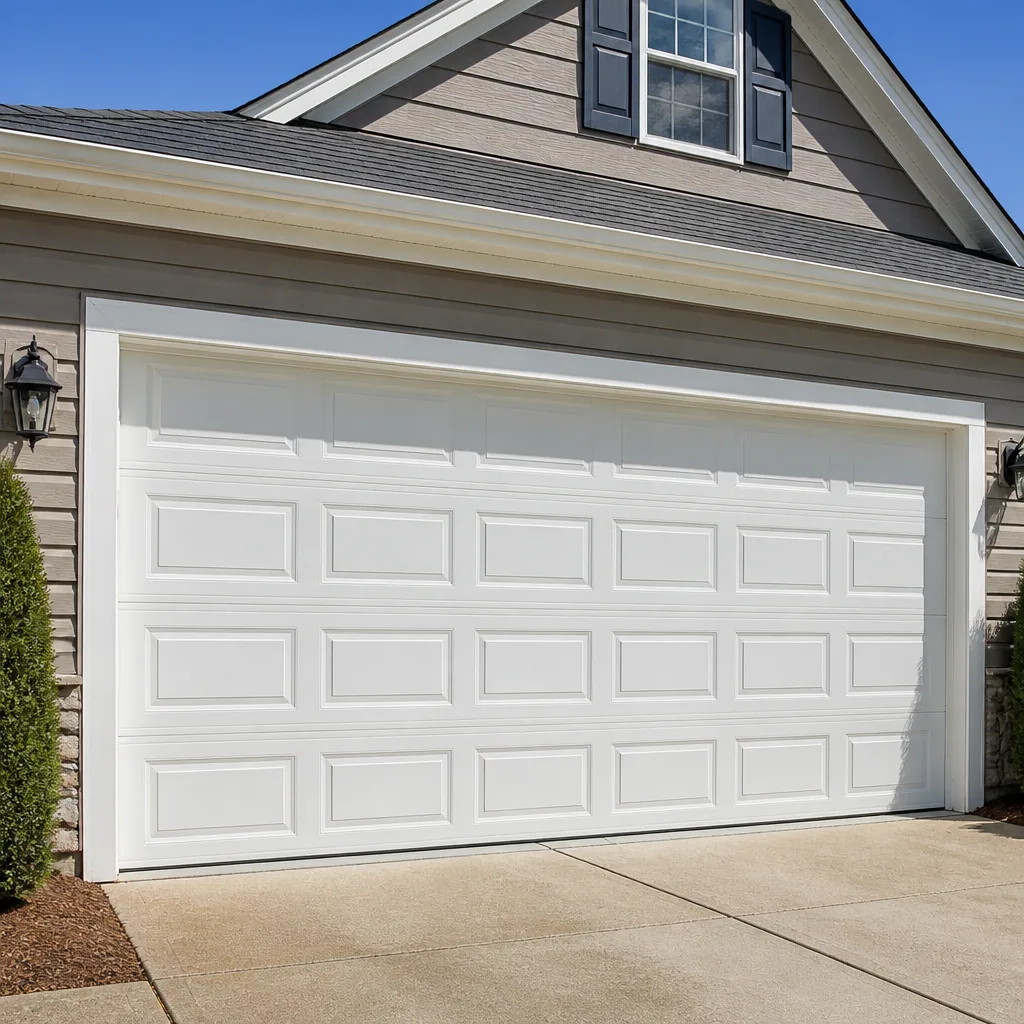
 Raised-panel steel
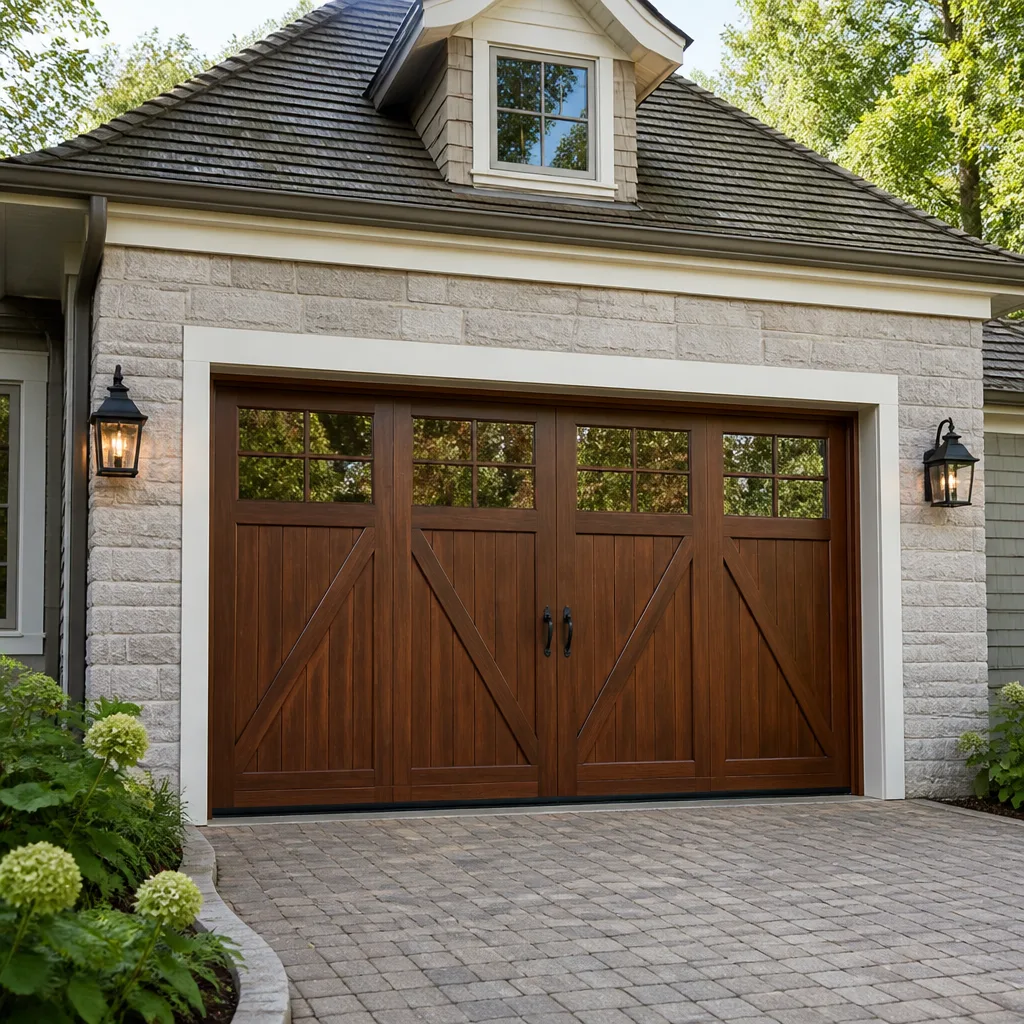 Carriage house
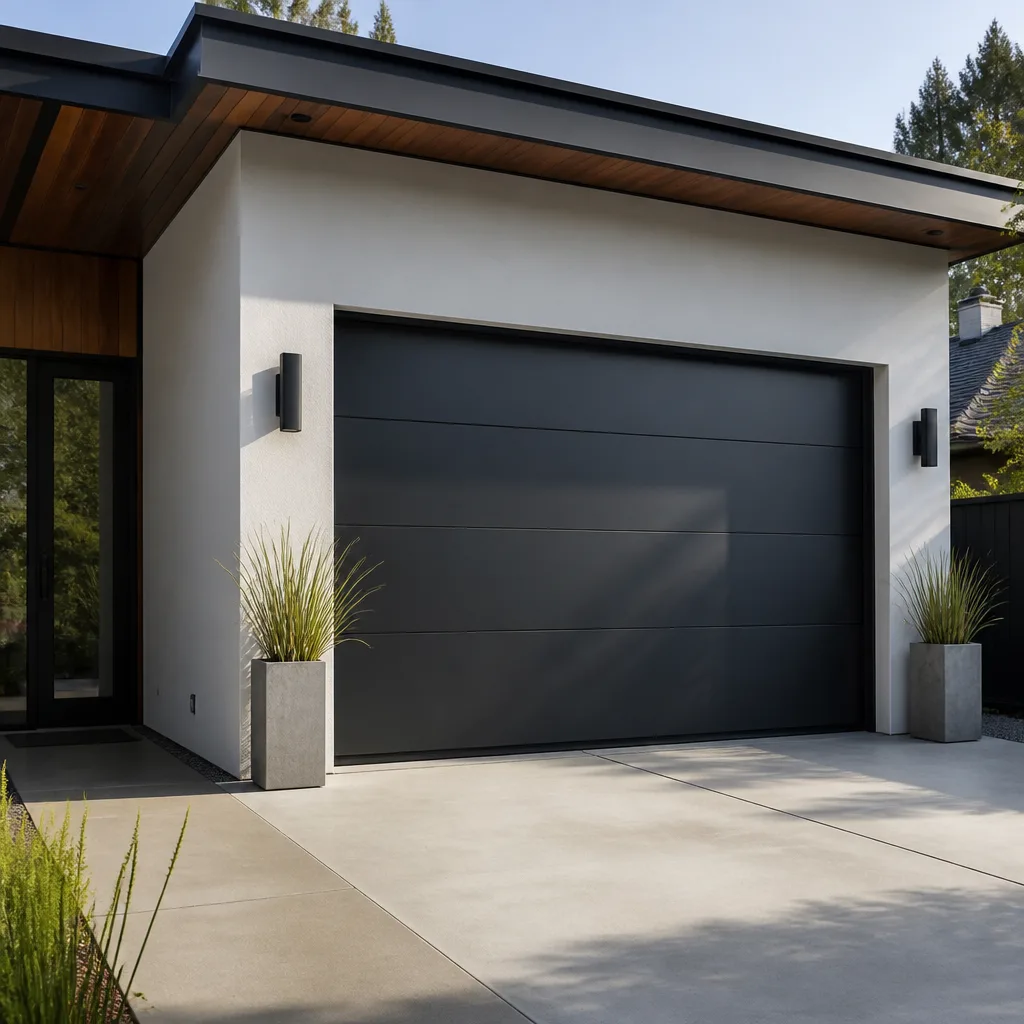 Modern flush
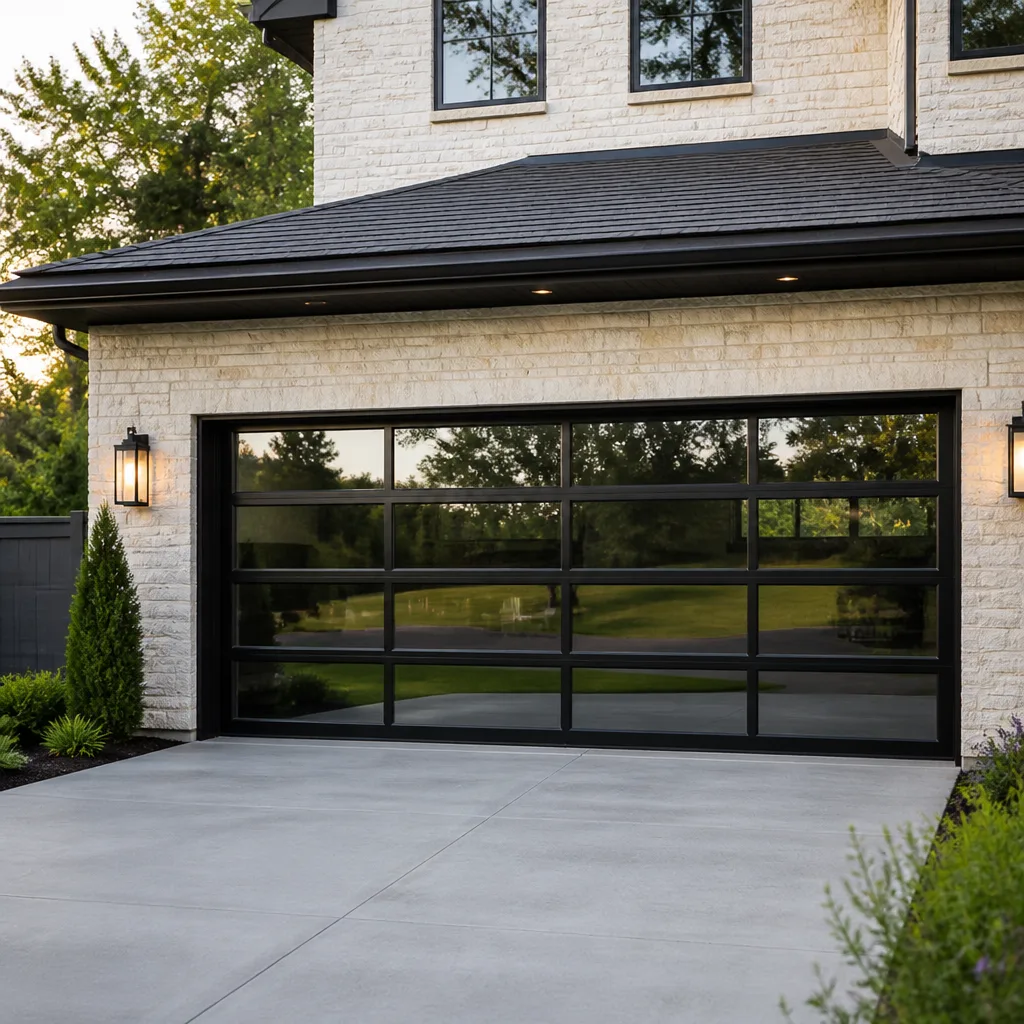 Full-view glass
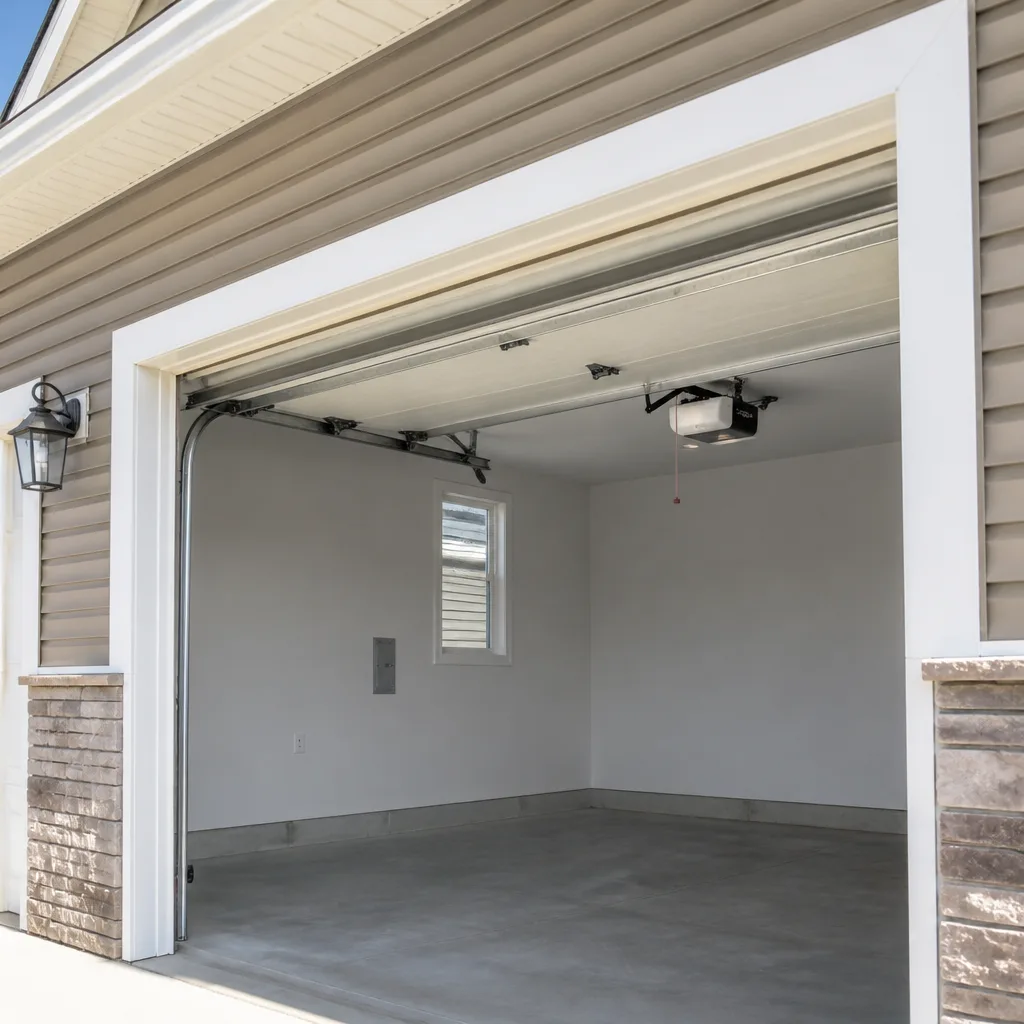 LiftMaster openers
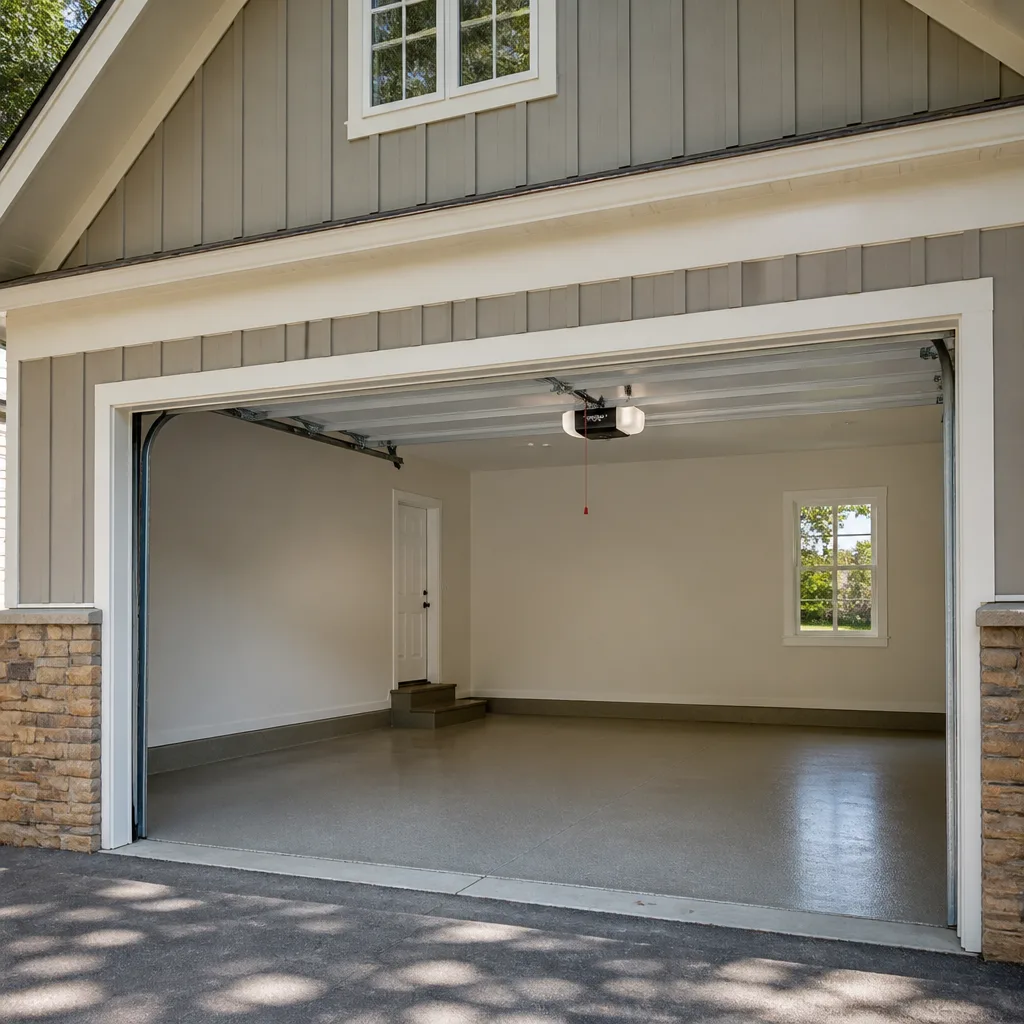 Chamberlain openers
Full 25-point door and opener safety check with every visit - springs, cables, rollers, tracks, and your LiftMaster or Chamberlain opener included
You get a price before we start. It does not change when the pro arrives.
Get your free estimateStyles & brands we work with
- Raised-panel steel
- Carriage house
- Modern flush
- Full-view glass
- LiftMaster openers
- Chamberlain openers
See the difference
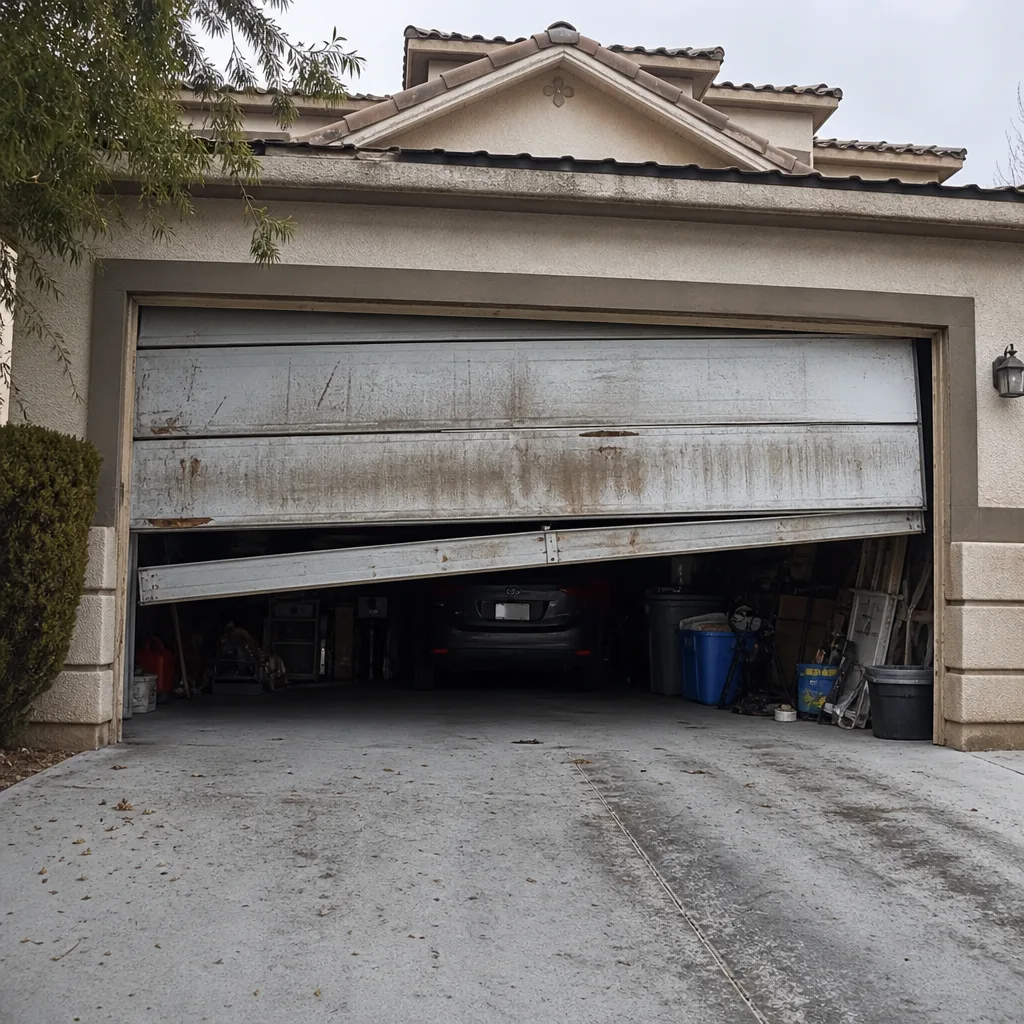 Before
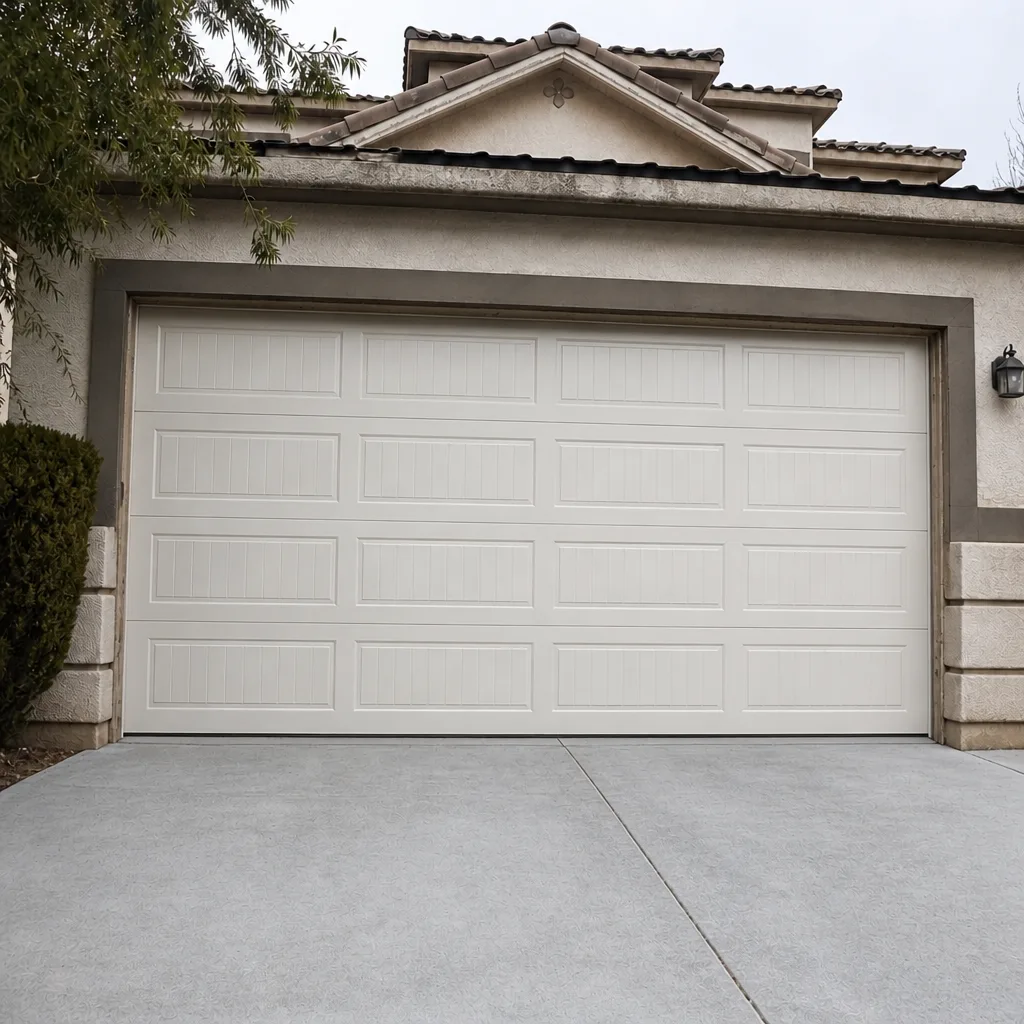 After
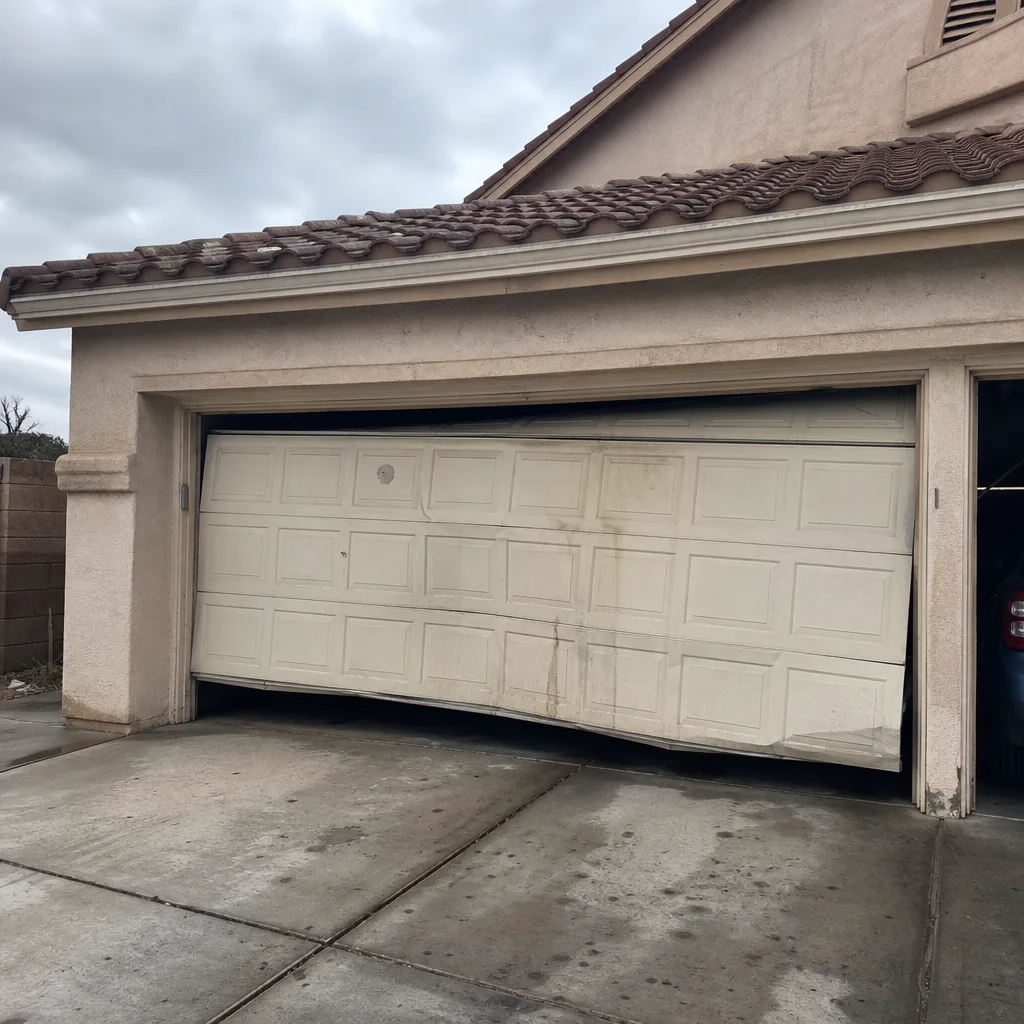 Before
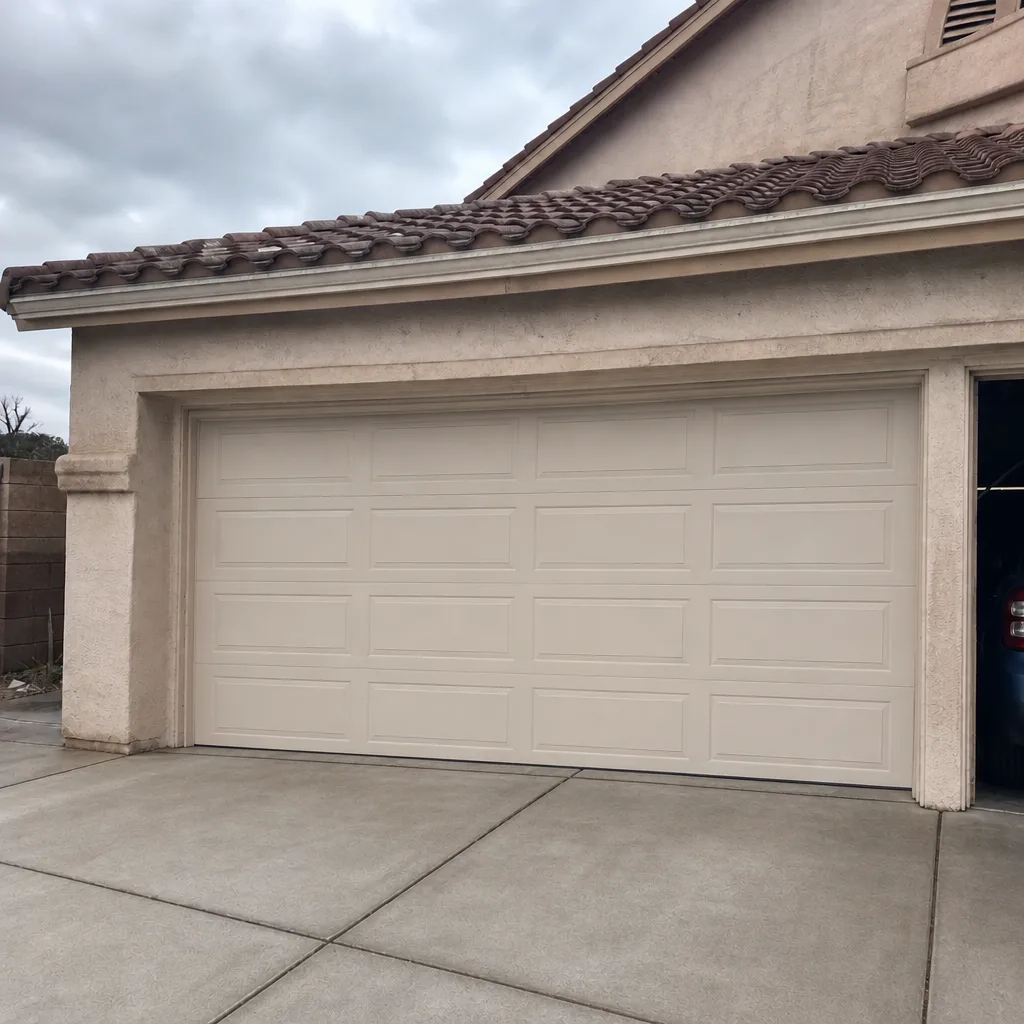 After
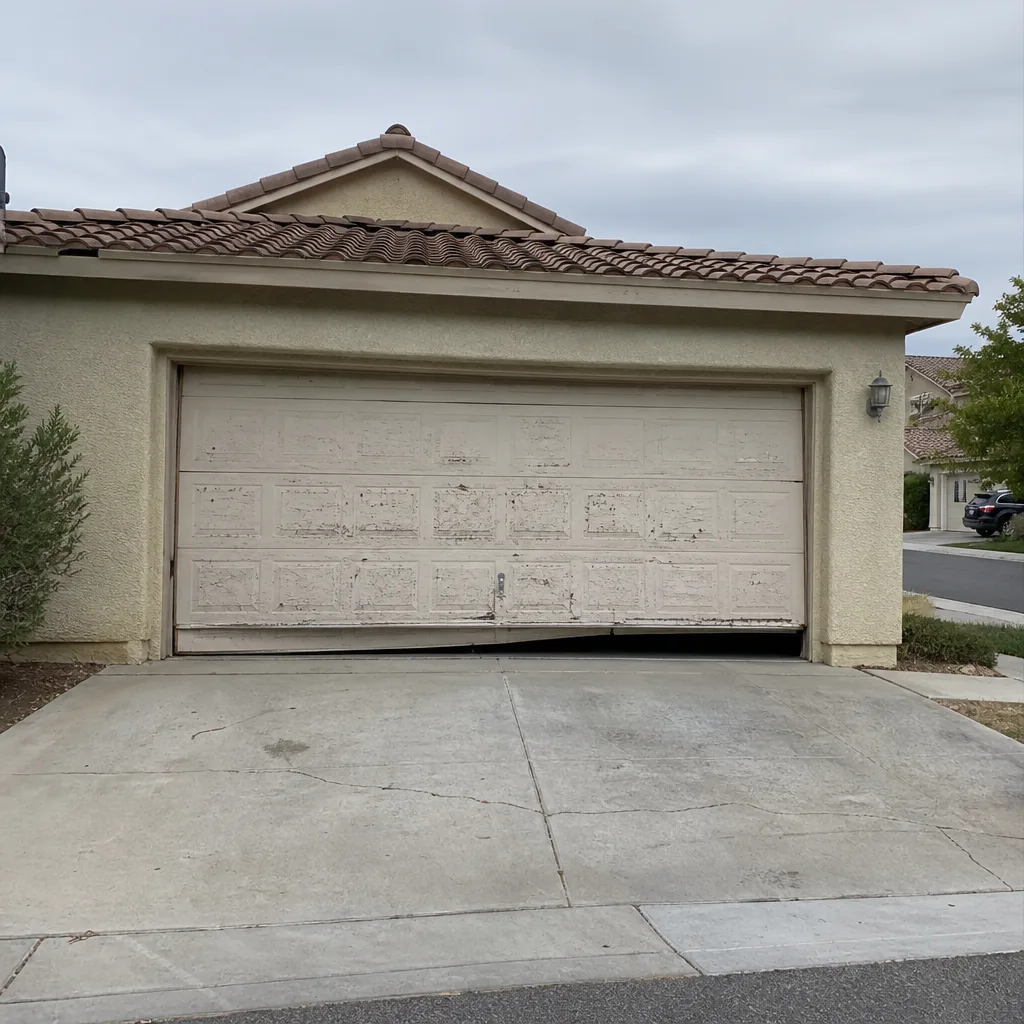 Before
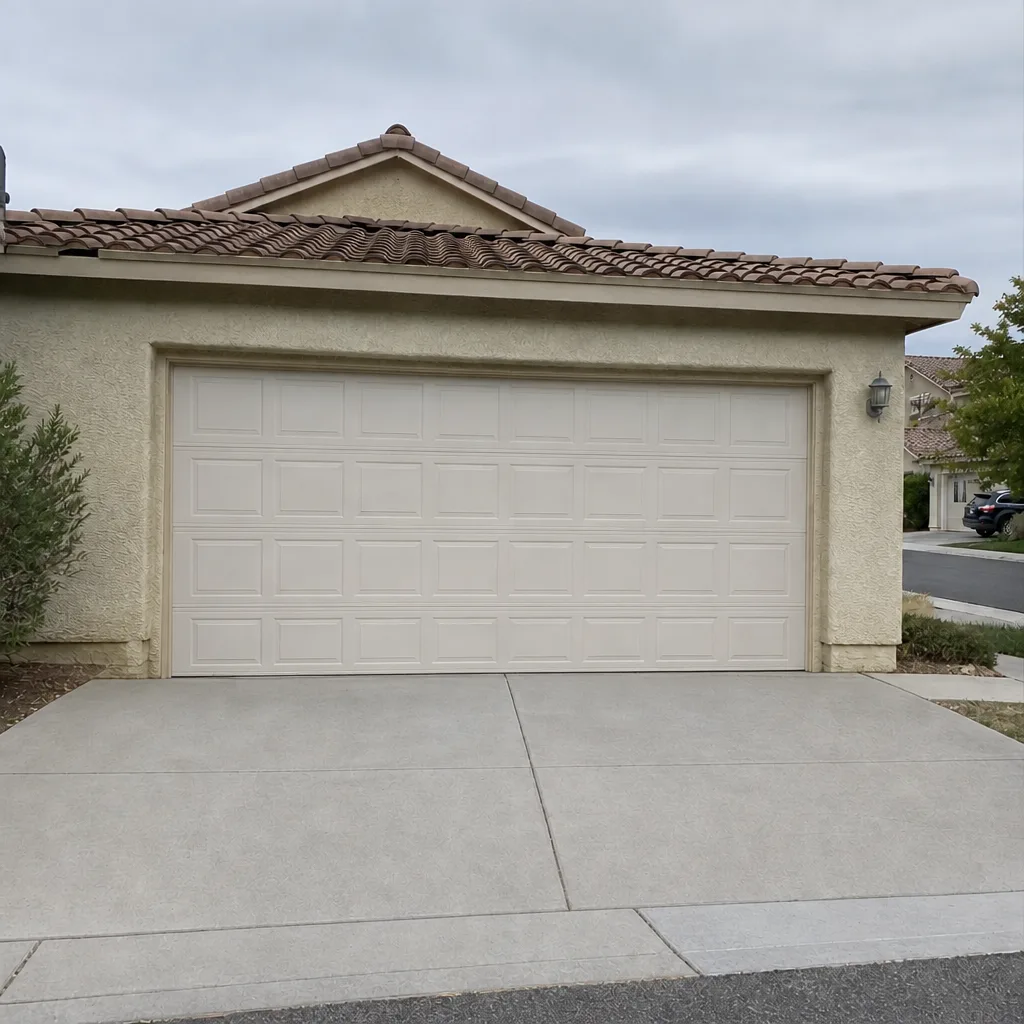 After
Belt vs Chain Drive Garage Door Opener in Summerlin, NV: Which One Belongs in Your Garage?
Choose belt drive unless your garage doesn’t share a wall with a bedroom or living space – then a chain drive is the honest, cheaper answer. Here’s why that line matters more in Summerlin than in most places. A chain-drive opener makes noise at roughly 65-72 dB measured at the motor head. Those decibels are only half the story. In the attached two- and three-car garages that dominate Summerlin, the motor mounts to a bracket bolted into a ceiling joist, and that joist ties into the same 5/8-inch fire-rated drywall partition that backs your master bedroom or home office. A chain drive sends its impulse load straight down that path. A belt drive interrupts it at the motor. If you want the drive type settled correctly, call (844) 797-3654 and we’ll quote a flat, written price before anything gets touched.
Key Takeaways
- Belt drive wins in attached garages because it cuts structure-borne vibration, not just air noise.
- Chain drive is the technically correct pick for detached casitas and workshop garages in newer Summerlin villages.
- Reinforced polyurethane belts are rated to roughly 185°F continuous – Summerlin attic temps near 160°F in July sit inside that range but age the belt faster.
- Expect opener installation in Summerlin to run $250-$550, with repair work at $120-$320.
- Every Servo quote names the model, the drive type, and the reason in writing before work starts.
Why Summerlin Floor Plans Make This a Structural Question, Not a Preference
Most belt-versus-chain articles argue in decibels. That framing misses what actually wakes people up in Summerlin at 6 a.m. A chain drive doesn’t just radiate sound into the air of the garage; it hammers the mounting bracket, and the bracket passes that energy into the ceiling joist, and the joist is fastened to the common wall. Drywall is a fine diaphragm. You hear the door through the wall even when the garage itself seems reasonably quiet.
Summerlin is a 22,500-acre master-planned community built out from 1990 onward by the Howard Hughes Corporation, so nearly every home here carries a post-1990 builder layout – stucco Mediterranean and Santa Barbara elevations with the garage tucked against the living space. The earliest villages, Sun City Summerlin and The Trails, still have original builder-grade steel raised-panel doors on 25-35 year old tract homes, and those older doors amplify the effect: worn rollers and a slightly loose track rattle more, so a chain motor on a tired door is louder than the spec sheet suggests.
The fix isn’t only the drive belt. It’s the mounting. A belt drive paired with a rubber-isolated motor mount – the arrangement on a LiftMaster 87504-267 and comparable units – decouples the motor head from the bracket and stops the vibration before it reaches the joist. That combination is the real answer to the noise complaint. Swapping to a belt while leaving a rigid metal mount in place gets you maybe half the benefit.
Belt vs Chain Drive: The Honest Comparison
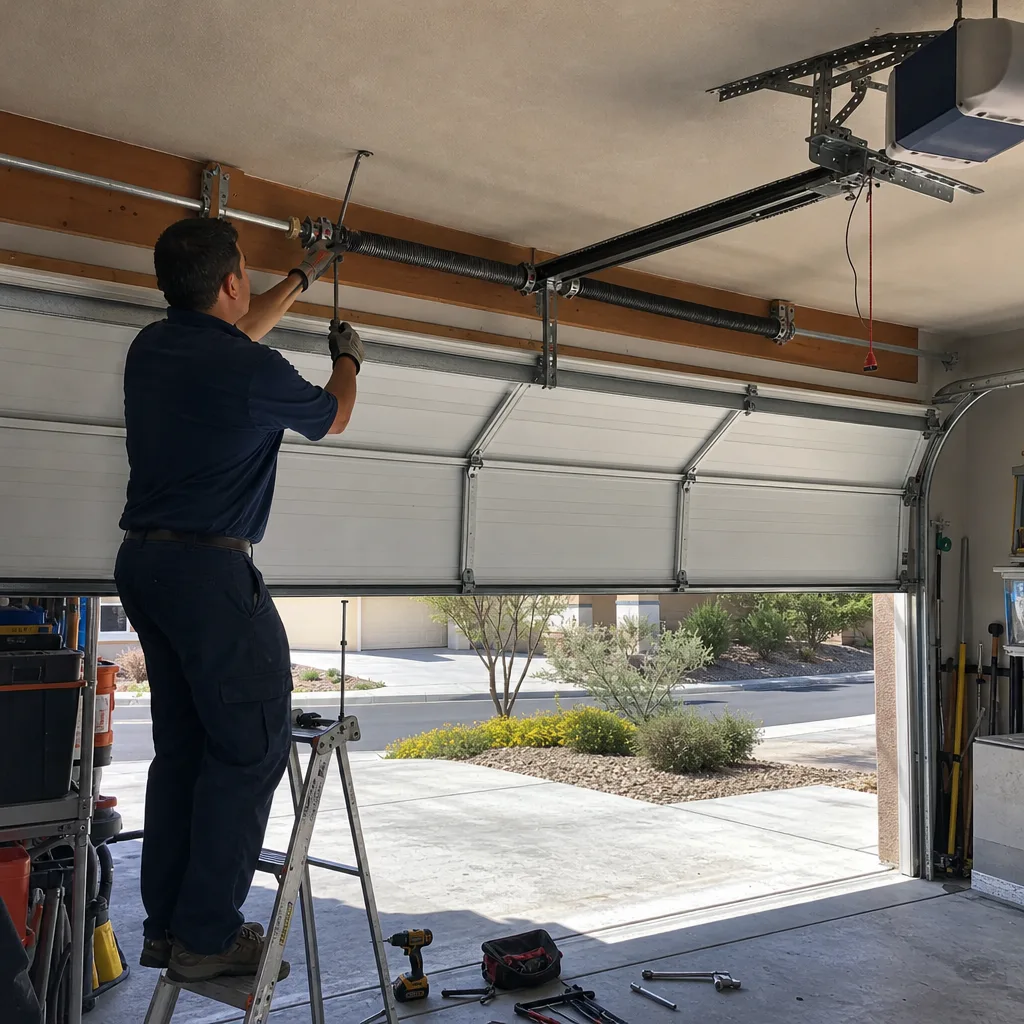
| Factor | Belt Drive | Chain Drive |
|---|---|---|
| Motor-head noise | Quieter, around 55-60 dB typical | Louder, around 65-72 dB |
| Vibration into the common wall | Low – rubber isolators interrupt the path | Higher – impulse load through the bracket |
| Heat tolerance in a Summerlin attic | Belt rated to roughly 185°F continuous | Chain unaffected by heat; needs lube |
| Maintenance | Belt set and micro-cracking over 10-15 years | Periodic lubrication, tension checks |
| Price | Higher upfront | Lower upfront |
| Best fit | Attached garages shared with bedrooms or offices | Detached casitas, workshop garages |
The heat point deserves a second look, because it’s where Summerlin’s climate writes its own rules. Summerlin sits at the desert edge around 4,000 feet, and garage attic temperatures here can climb past 160°F in July. A reinforced polyurethane belt is rated to roughly 185°F continuous, so it’s within operating range – but sustained heat near the top of that range accelerates belt set and fine micro-cracking over a 10-15 year life. That’s a maintenance-interval fact, not a reason to avoid belt drive. What it means in practice is that a Summerlin belt drive deserves an inspection around year 8 or 9 rather than year 12, especially on west-facing garages where afternoon sun bakes the wall behind the motor.
Winter flips the same coin. The occasional overnight freeze in the Valley stiffens lubricant and stresses older springs, and a stiff opener on a cold morning is harder on a belt than on a chain. Neither drive type fails from cold alone. The worn parts do – rollers, springs, a logic board – and we’ll flag those before they take the opener down with them.
BeforeAfterWhen Chain Drive Is the Right Answer
Chain drive isn’t the inferior choice. It’s the wrong choice only where a shared wall exists. Summerlin’s newer villages, Reverence and Stonebridge among them, include homes with detached casitas and workshop garages. In those, the noise argument disappears entirely – nobody sleeps on the other side of a detached garage wall – and a chain drive at a lower price point is the technically correct recommendation. We’ll say so in the written quote when it applies.
For a workshop garage where you run the door several times a day, chain also holds up to heavy cycling without a belt to set. The trade is a little more noise and a periodic lubrication habit. That’s a fair trade in a detached space and a poor one in a house where the master bedroom shares the partition.
What We Look At Before Recommending a Drive Type
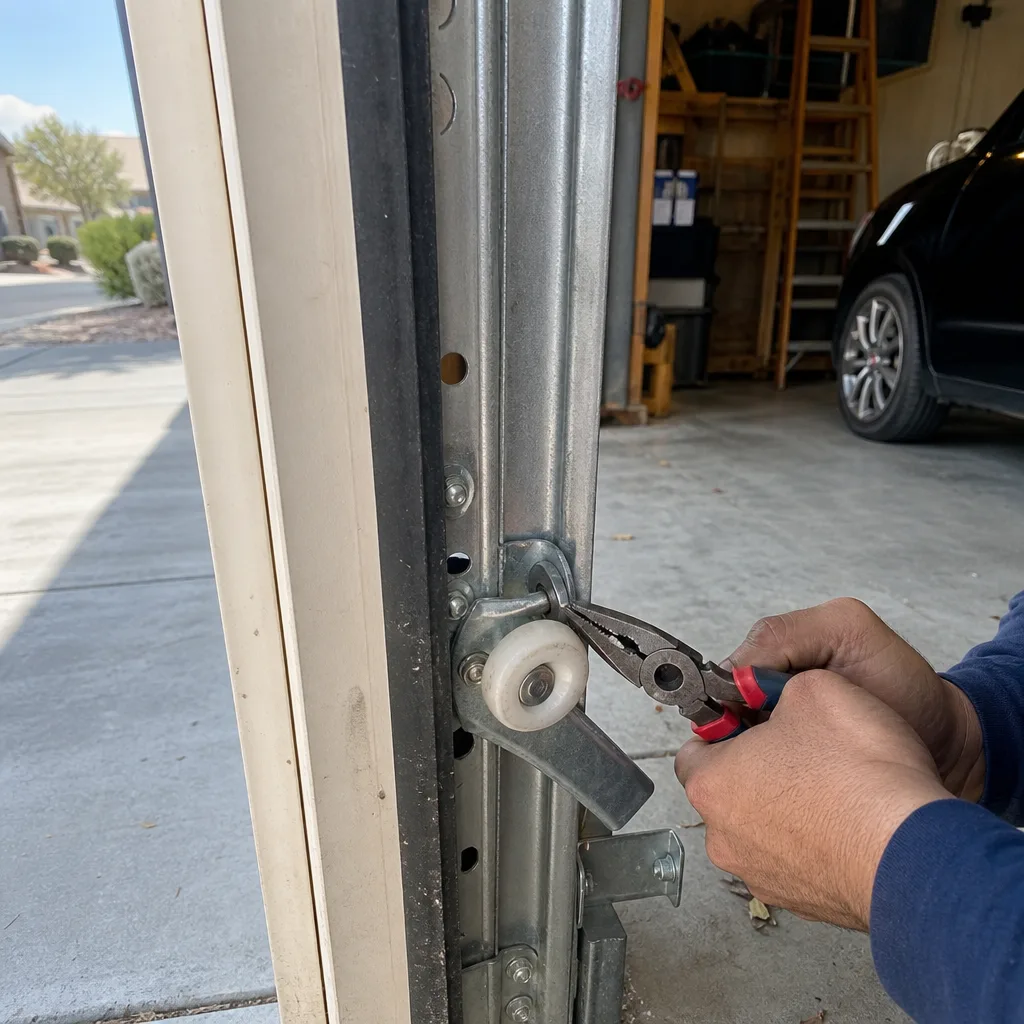
Guessing at drive type from a phone description isn’t something we do. An opener service call in Summerlin starts with a look at the whole assembly, then a written scope. Here’s the sequence, and it’s the same on every job per Clause 1 of The Haven Standard:
- Measure the motor-head noise and listen at the shared wall. We note what the door sounds like in the adjacent room, not just in the garage.
- Check the mounting. Rigid bracket or rubber-isolated mount? That determines how much vibration reaches the joist.
- Inspect the drive mechanism and tension setting. We photograph both, dated, so you have a record of wear instead of a guess about it.
- Test rollers, track, and springs. A rattling door makes any motor sound worse; fixing the door often fixes the noise complaint.
- Write the price and scope. The quote names the specific model – LiftMaster, Chamberlain, Genie, or comparable – the drive type, and the reason for the pick.
That last point is Clause 1. “Call for a quote” isn’t how this works. You get a flat, written price before any work starts, and the reason a belt or a chain was chosen is spelled out so you’re not choosing between two mystery boxes on a technician’s preference. Then Clause 4 takes over: the technician photographs the failed component before quoting a replacement, and you receive a documented photo record of what was found and what was done when the visit closes. If the drive recommendation comes down to a mount and a wall, you’ll see it in the photos.
Pricing for the work around this decision, calibrated to the Summerlin market:
- Opener repair: $120-$320
- Opener installation: $250-$550
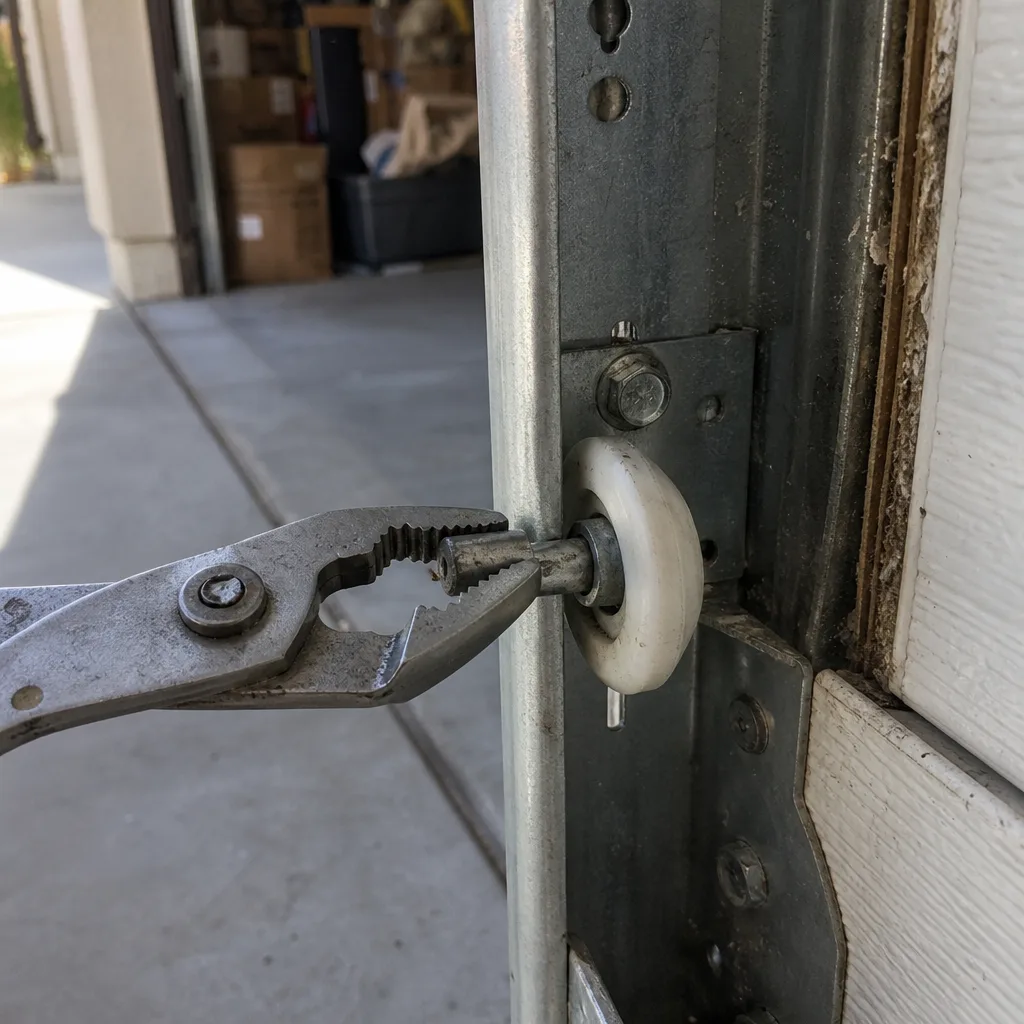
- Roller replacement: $110-$220 (often the cheapest fix for a noisy door)
- Track realignment: $120-$240
- Spring repair: $180-$340
What the Documentation Actually Looks Like
Because Summerlin’s heat ages openers faster than the 10-12 year rating suggests – thermal cycling fatigues the tension adjustments year after year – a dated photo record is the difference between a maintenance plan and a guessing game. Photo one is the drive mechanism. Photo two is the tension setting. The date is on both. Two years from now, that record shows whether the belt is setting or holding, and you’re not relying on a memory of how it sounded.
If a competitor has already written you an estimate on an opener, bring the paperwork. Our free second opinion applies to any competing written estimate, no coupon or code required. And a full Garage Door Opener Repair & Installation service covers the repair or replacement itself once the drive decision is made. For the full picture of how we handle openers in Summerlin, see our Garage Door Opener Repair & Installation in Summerlin page. If noise is really the symptom and the door itself is the cause, our guide to garage door repair in Summerlin covers the roller and track side. Newer homes under design review may also face HOA color-and-style approval before a door or opener-related hardware change, and we walk through that in our garage door installation in Summerlin guide. Back to the home page for the full service list.
One safety note, because it belongs here. The torsion spring above the door – the coiled steel that counterbalances the door’s weight – is under extreme tension and can cause serious injury if you try to adjust or remove it yourself; only a trained technician should touch it. A stiff or noisy opener is often a spring or roller problem in disguise, and those are jobs for someone who knows what a 0.25-inch wire diameter spring looks like when it’s failed. Leave it to us.
FAQs
Belt drive is quieter in an attached Summerlin garage, and the gap is bigger than the decibel spec suggests because a belt drive with a rubber-isolated motor mount cuts structure-borne vibration through the shared ceiling joist. A chain drive measures around 65-72 dB at the motor head and transfers impulse load into the wall that backs your bedroom. Call (844) 797-3654 for an exact quote on the swap – estimates are free.
Opener installation in Summerlin typically runs $250-$550, and opener repair runs $120-$320, depending on the model and whether a new mount is needed. A belt drive with a rubber-isolated mount lands toward the top of the install range. Call (844) 797-3654 and we’ll put a flat, written price in front of you before any work starts.
A chain drive won’t damage the structure, but Summerlin’s attic heat above 160°F in July does stress the tension adjustments and ages the drive faster than the 10-12 year rating implies – true for belt and chain alike. We photograph the drive mechanism and tension setting on every opener service call so you have a dated record of wear. Call (844) 797-3654 to book an inspection.
No. In a detached casita or workshop garage, there’s no shared wall to protect, so a chain drive at a lower price point is the correct recommendation – not a downgrade. We’ll say so in the written quote when it applies. Call (844) 797-3654 and we’ll tell you which drive fits your actual layout.
Ready to Settle the Belt vs Chain Question?
If you’d rather have it looked at, Servo Garage Doors Summerlin offers a no-pressure assessment in Summerlin – call (844) 797-3654. We’ll measure the noise at the wall, check the mount, and hand you a flat written price with the drive type and the reason spelled out. Our technicians have up to 11 years of experience, and every job closes with a documented photo record.
Written by the team at Servo Garage Doors Summerlin, serving Summerlin, NV.