
Last updated November 17, 2026
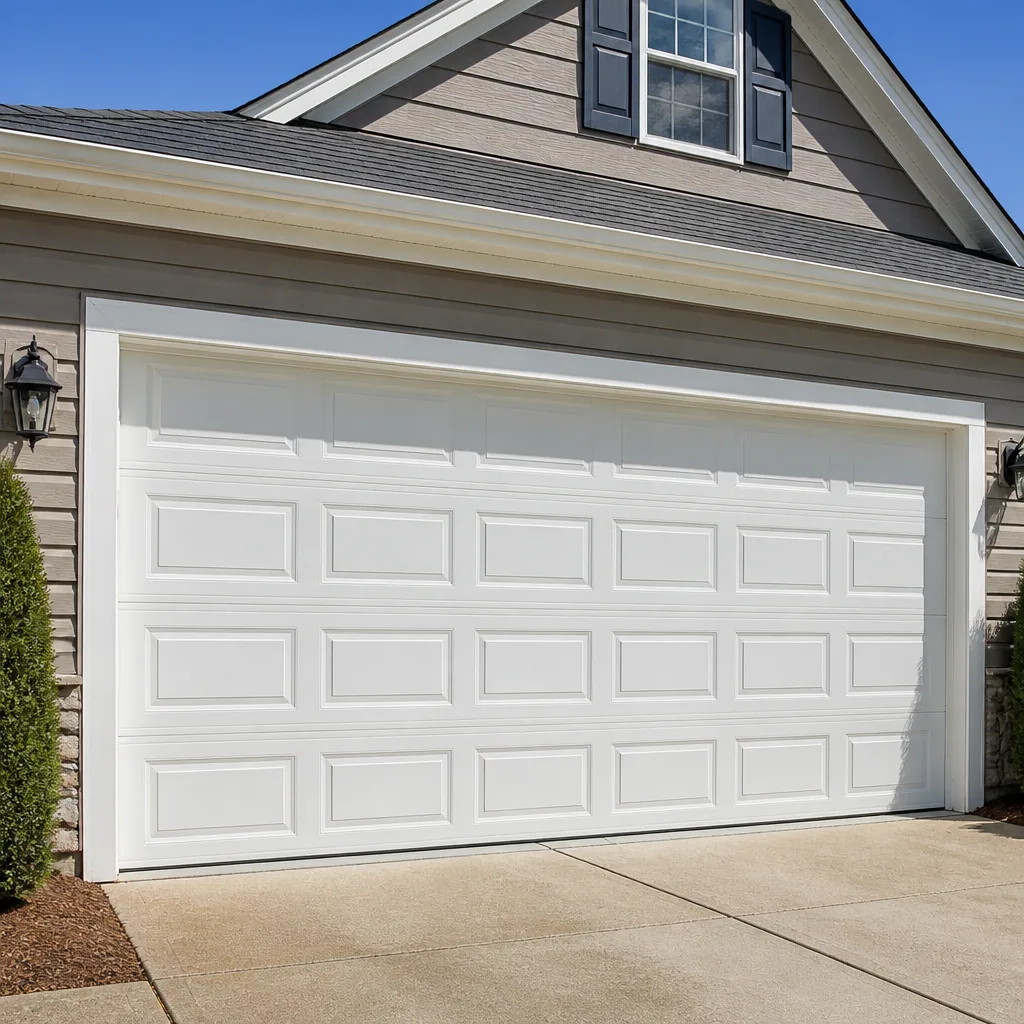 Raised-panel steel
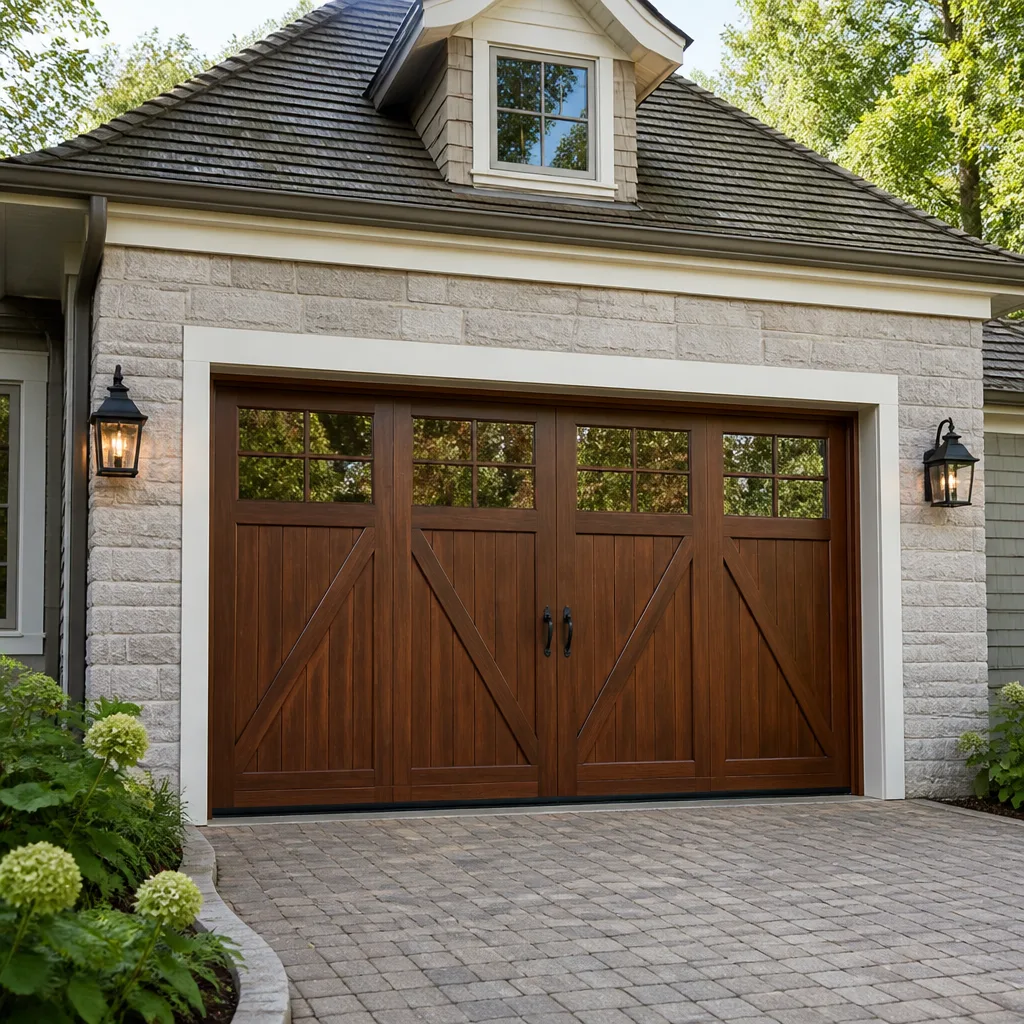 Carriage house
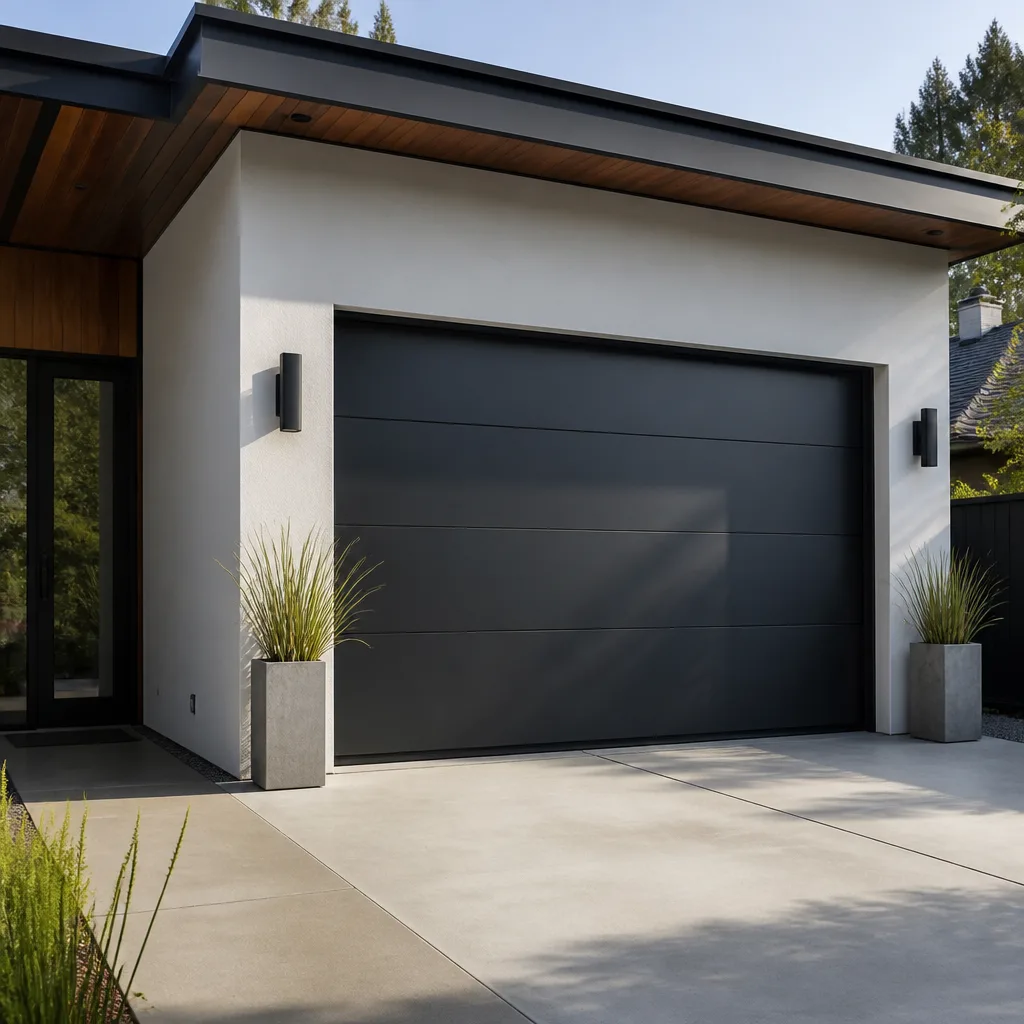 Modern flush
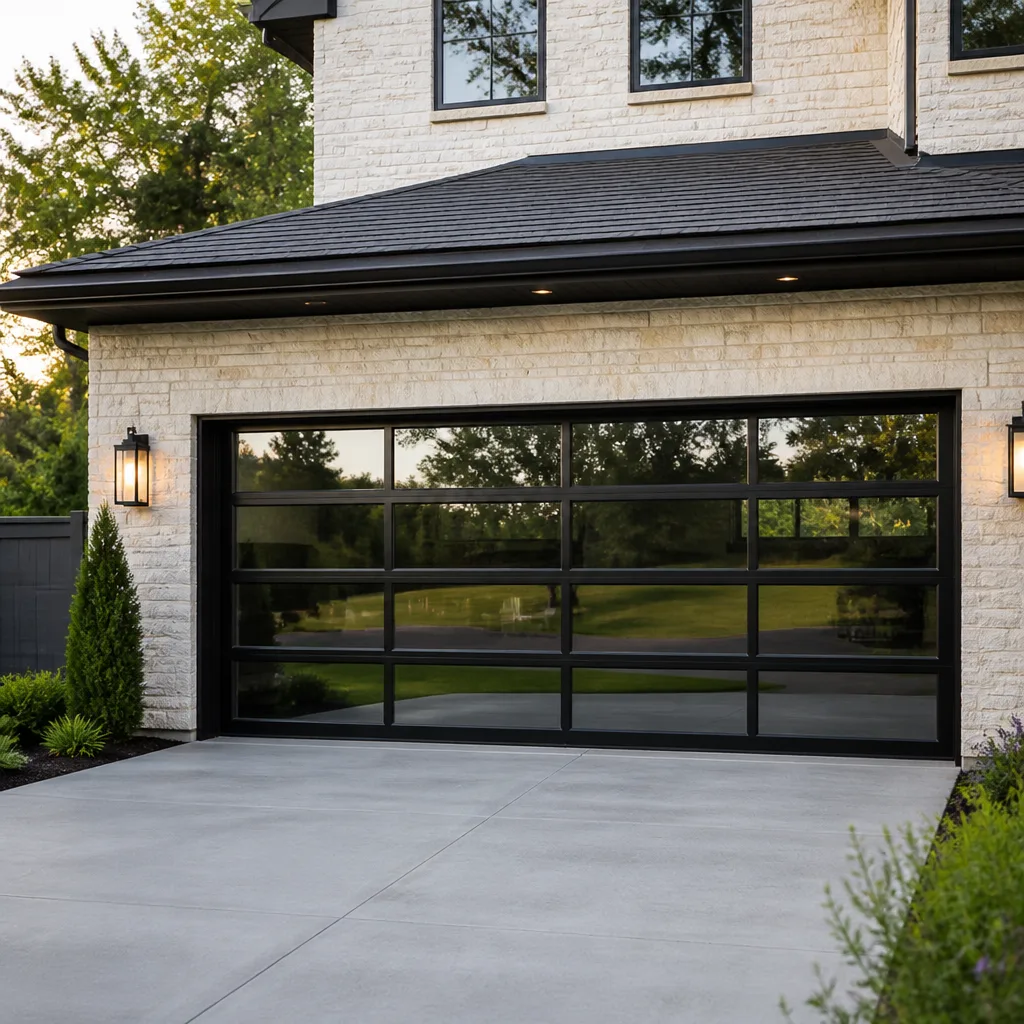 Full-view glass
 LiftMaster openers
 Chamberlain openers
Full 25-point door and opener safety check with every visit - springs, cables, rollers, tracks, and your LiftMaster or Chamberlain opener included
You get a price before we start. It does not change when the pro arrives.
Get your free estimateDIY vs Professional Garage Door Parts: What’s Safe to Do Yourself
A fully wound torsion spring on a standard seven-foot residential door stores roughly the same energy as a car battery dropped from shoulder height. That’s the real threshold in the DIY-vs-professional question, not “if you’re not comfortable, hire someone.” Confidence doesn’t change how much stored energy is sitting above your head. Physics does. We’ve watched homeowners in Summerlin sort parts into two piles – the ones that are genuinely safe to swap on a Saturday and the ones that can cost you a hand – and that sorting is what this guide is about. You’ll get an explicit safe/unsafe classification for every major part, the tools each safe job actually requires, and real Summerlin cost figures.
Quick Answer
Rollers, bottom weather seals, photo-eye sensors, and exterior handles are genuinely safe to replace yourself with basic tools. Torsion springs, extension springs, cables, bottom brackets, and anything attached to the tension system are not – those carry enough stored energy to cause serious injury regardless of your skill or experience. When a spring or cable fails in Summerlin, call a professional.
Styles & brands we work with
- Raised-panel steel
- Carriage house
- Modern flush
- Full-view glass
- LiftMaster openers
- Chamberlain openers
Table of Contents
- The Real Dividing Line: Stored Energy, Not Skill
- Parts That Are Safe to Replace Yourself
- Parts That Are Off-Limits
- Why a Broken Spring Still Has a Loaded Partner
- What a DIY Roller or Sensor Job Actually Requires
- Cost Comparison: DIY vs Professional in Summerlin
- Photograph the Failed Part: DIY and Warranty
- Why Summerlin Heat Wears Parts Faster
 Before
 After
The Real Dividing Line: Stored Energy, Not Skill
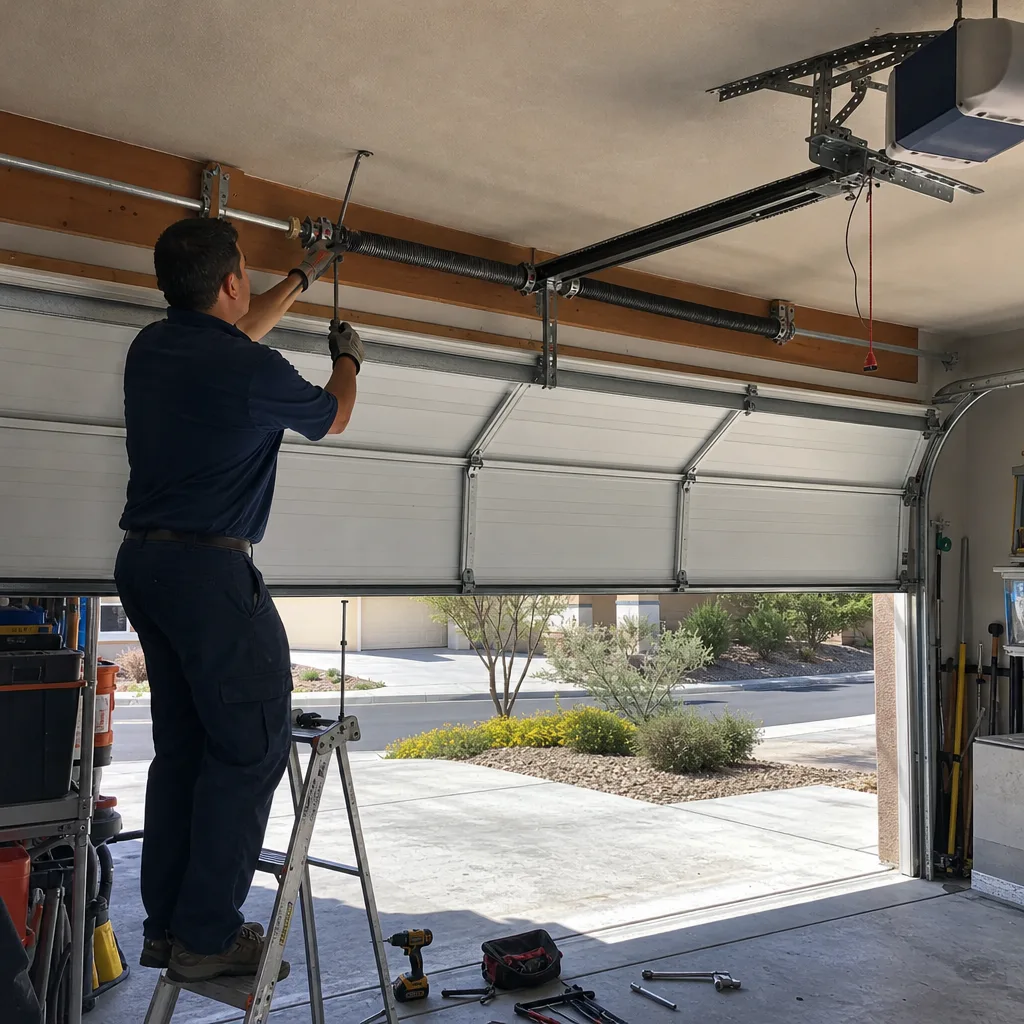
A garage door’s counterbalance system is a machine that holds potential energy under constant tension so you can lift a 150- to 250-pound door with one hand. That energy doesn’t care whether you’ve watched forty videos or fixed cars for a decade. A torsion spring is a hardened steel coil wound to a specific number of turns; when it’s under load, releasing that tension controls the release of all that energy at once. A 0.25-inch wire torsion spring on a standard door can be carrying well over a hundred foot-pounds of torque.
Here’s the part that trips people up: the danger isn’t proportional to your confidence or your tool collection. It’s proportional to the load. A spring under tension is dangerous in exactly the same way whether a first-timer or a career tech is standing under it – the difference is that a trained technician knows where the energy is, how to wind it down safely, and how to stand. In Summerlin we’ve repeatedly seen homeowners treat a spring swap like a plumbing job: buy the part, follow a video, save money. That works for a fill valve. It doesn’t work here.
The clean way to think about it is a two-question test. Is this part storing or transferring energy right now? If yes, it’s a professional job. If it’s a part that just sits there and does a simple mechanical or electrical job – seals, rollers, sensors – you can usually handle it yourself.
Parts That Are Safe to Replace Yourself
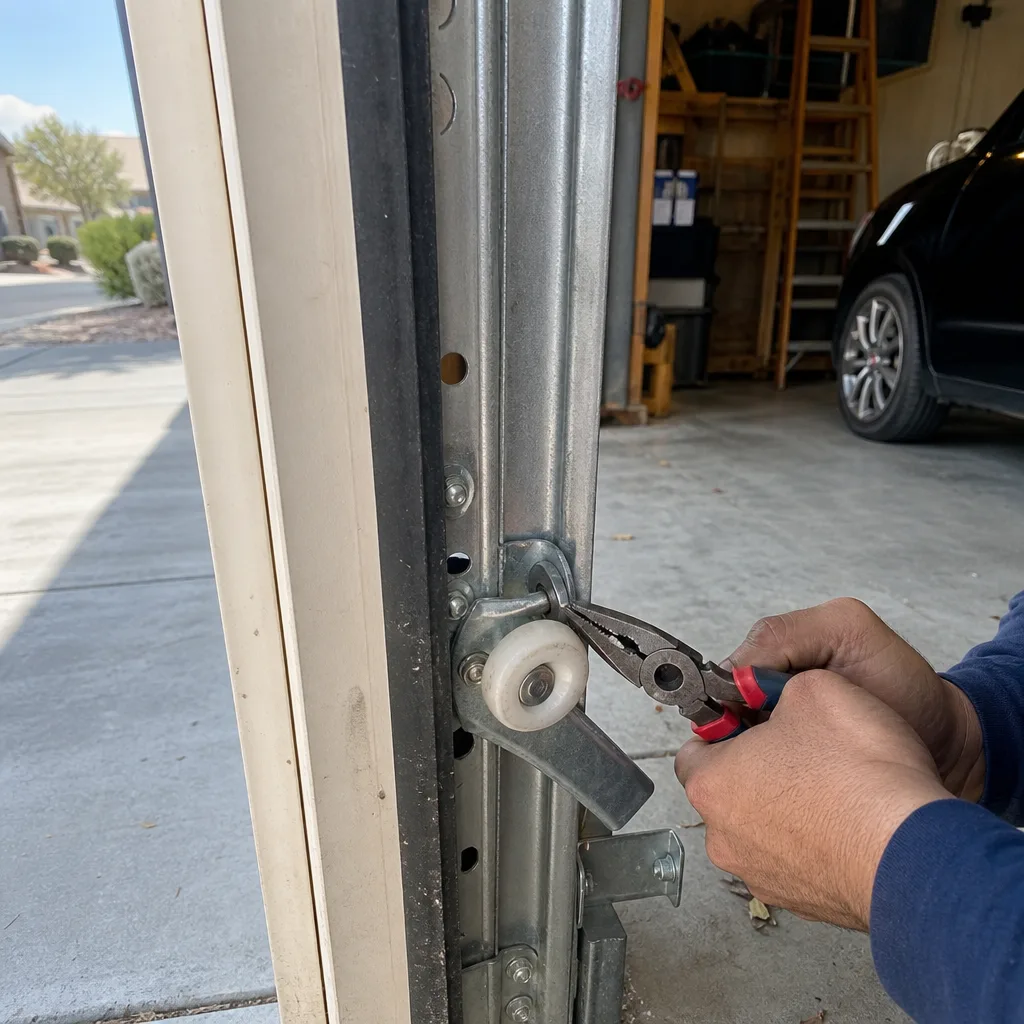
These are the weekend jobs. None of them touch the counterbalance system, so the stored-energy risk is essentially zero. You’ll need a step stool, not a ladder gymnastics routine.
- Nylon or steel rollers – the small wheels the door rides on. Worn nylon rollers get flat spots and make the door rumble; swapping them is one of the most common DIY wins.
- Bottom weather seal (the astragal) – the rubber strip along the bottom edge. In Summerlin it dries out and cracks from the UV and desert heat long before it wears out mechanically.
- Photo-eye safety sensors – the two small units near the floor at the door opening. If one is misaligned, dirty, or dead, the door won’t close. Replacing the pair is a careful-wiring job, not a dangerous one.
- Exterior handles and hinges – simple hardware that bolts on.
- Opener remote batteries and wall-button covers – trivial but worth doing.
A note on sensors for modern openers: Chamberlain and Genie units both use a paired safety-eye system, and replacing one side usually means replacing the pair as a matched set. The wiring is low-voltage and safe to handle with the opener unplugged, but the pairing and alignment need to be done carefully or the door will refuse to close.
Parts That Are Off-Limits
This is the list to read twice. Leave all of these to a trained professional.
- Torsion springs – the wound coil above the door (or on a center bearing plate). The single most dangerous component in the whole system.
- Extension springs – the stretched springs that run along the horizontal tracks on some older doors. Still under serious tension.
- Lift cables – the braided steel cables that run from the bottom corners up to the drums. They’re under load even when the spring looks relaxed.
- Bottom brackets and cable drums – the anchors the cables attach to. That’s where the cable tension terminates; loosening one wrong move can send a cable whipping.
- The torsion shaft and center bearing plate – load-bearing structure for the whole spring system.
We won’t give step-by-step instructions for any of these, on purpose. The correct way to service a torsion system involves winding bars, winding charts, and knowing exactly how many turns the spring calls for; a mistake here can break a wrist or worse. When a spring fails in Summerlin, this is a professional call-out, every time.
Why a Broken Spring Still Has a Loaded Partner
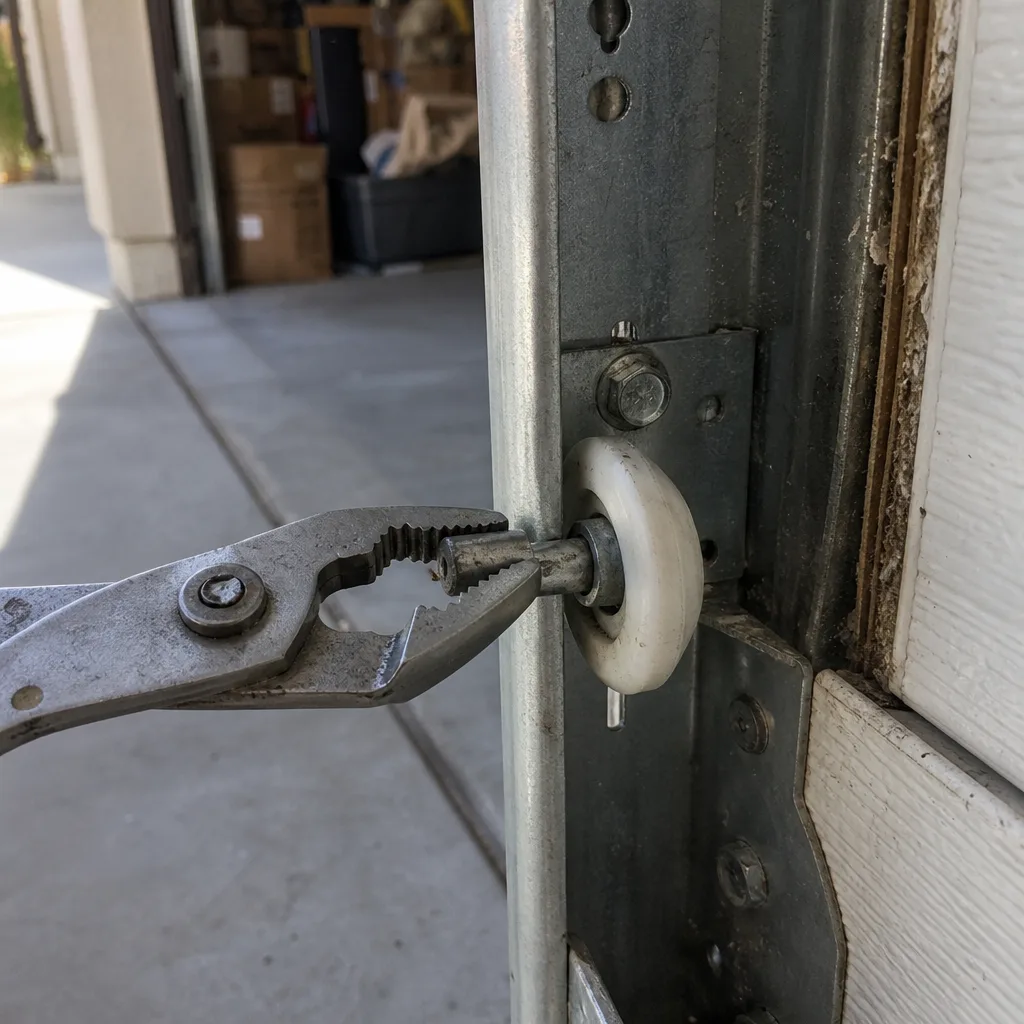
Most modern residential doors running a torsion system use two springs – one on each side of the center bearing plate, working as a pair. When one snaps, the door gets suddenly heavy and often won’t lift. The natural assumption is that the dead spring is now harmless and the survivor is fine to leave in place. Both ideas are wrong.
The intact sister spring is still fully wound and still carrying its share of the load. That’s the hidden risk. A homeowner who replaces only the broken spring, or who tries to inspect the surviving one, is working next to a live component. We regularly see doors come back to us after a one-spring replacement where the second spring then failed weeks later, because the pair was mismatched from day one.
The right move on a two-spring door is to have both springs assessed together and, in most cases, replaced as a matched pair – same wire diameter, same inside diameter, same wind. A technician measures the surviving spring’s wire gauge with a caliper and matches it. That’s a five-minute check for the trade and a guessing game for anyone without a spring gauge.
What a DIY Roller or Sensor Job Actually Requires
Before you commit a Saturday, know what “done” looks like. Here’s the honest tool list and the result to verify.
- Tools: a nut driver or socket set (usually 7/16-inch and 1/2-inch), pliers, a step stool, a screwdriver, and a rag. For sensors: wire strippers and the replacement sensor kit.
- The correct part number: measure before you buy. Match roller stem length and wheel diameter; match the bottom seal width to your door’s bottom edge (nine-foot doors are a different width than eight-foot). Sensors must match your opener’s brand – a Chamberlain sensor won’t talk to a Genie logic board.
- Replace one roller at a time. Don’t pull all of them at once or the door can shift in the tracks. Swap, tighten, then move on.
- For sensors: unplug the opener first. Mount the new eye units, run the low-voltage wire to the terminals, then realign so both LEDs are solid.
- Verify before you walk away. Cycle the door open and closed three times. It should run smooth and quiet with no shudder. For sensors, break the beam with your hand and confirm the door reverses.
If the door still rumbles after new rollers, or the sensors won’t stay aligned, that’s a symptom of a deeper issue – a bent track or an out-of-balance door – and worth a look. Our Garage Door Repair in Summerlin page covers what those symptoms usually mean.
Cost Comparison: DIY vs Professional in Summerlin
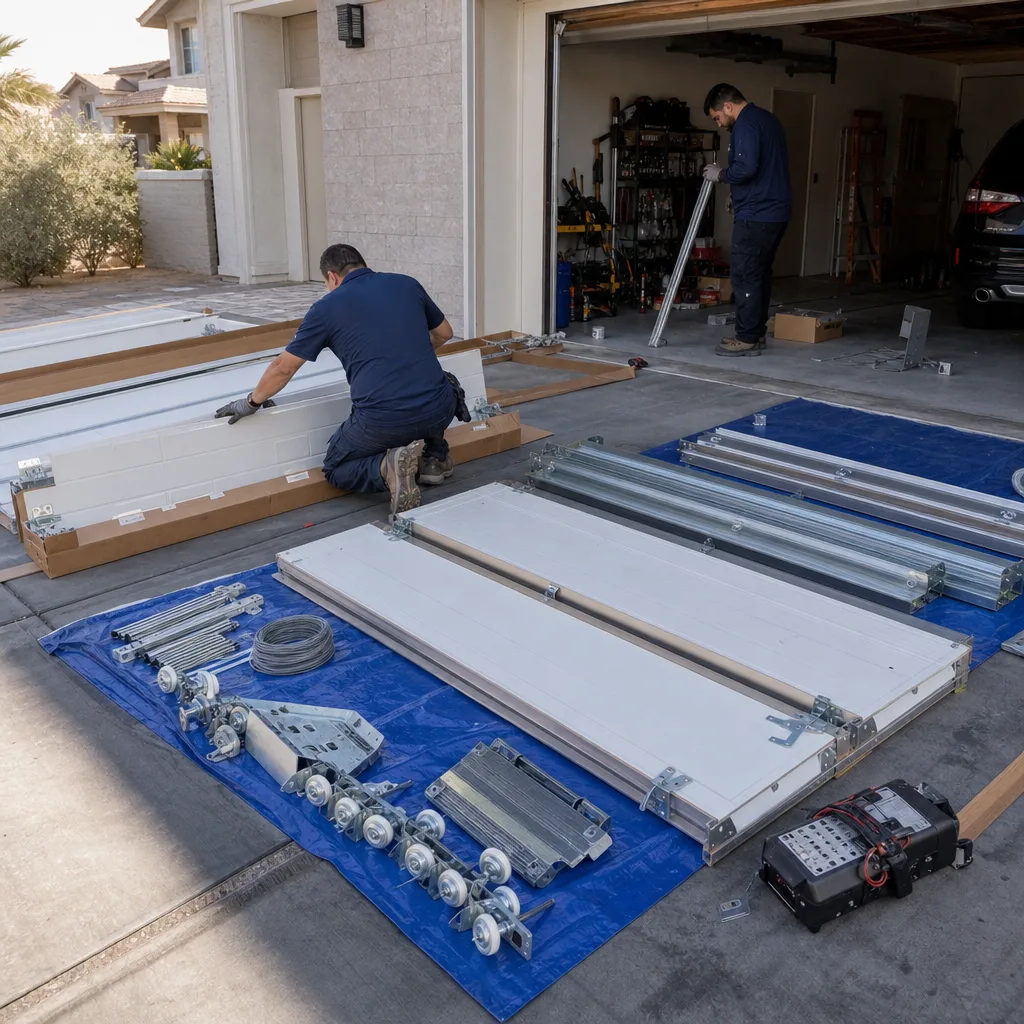
National averages are useless for Summerlin because parts and labor pricing shifts with the local market and the heat here drives faster wear. Here’s what the figures actually look like on a standard seven-foot double door.
- Nylon rollers (set of 10): DIY part cost $30 to $60; pro-installed $90 to $160.
- Bottom weather seal: DIY $25 to $50 for the strip; pro-installed $110 to $190.
- Photo-eye sensor pair (with wiring): DIY $25 to $45; pro-installed $120 to $220, depending on brand and wire run.
- Torsion spring pair (the professional-only job): DIY not recommended; pro-installed typically $260 to $420 in Summerlin, higher for heavy doors or two-spring jobs.
- Single torsion spring replacement: pro-installed $180 to $320 in the local market.
- Cable replacement: pro-only, $180 to $340.
Notice the gap narrows on the small parts once you count the trip to the store and the hour on a ladder. The gap is wide and worth paying on springs and cables – because that’s where the injury risk and the wrong-part risk both live. Every price we quote is written down and agreed before any work starts, per Clause 1 of The Haven Standard. You’ll never see an invoice higher than the number you approved.
Photograph the Failed Part: DIY and Warranty
Here’s a habit worth copying from the trade: photograph the failed component before you touch it. Lay a ruler or a coin in the frame so the size is clear. Snap the old part next to the new one. Save it in a folder labeled with the date and the door.
Why does it matter? Two reasons. First, warranty claims – many replacement parts carry a manufacturer’s defect warranty, and a dated photo of the part and its packaging backs up your claim. Second, insurance. If a part failure ever contributes to a door coming down on a vehicle or a person, a clear photo record of what was found and what was done is evidence you don’t have to argue about later.
This is exactly why Servo is built around the photo record – Clause 4 of The Haven Standard is the rule that the technician photographs the failed part before quoting a replacement. The homeowner sees the evidence, not a sales pitch. You can do the same on your own DIY jobs. The Servo Garage Doors Summerlin home page lays out how the written-price-first and photo-record system works on every job.
Why Summerlin Heat Wears Parts Faster
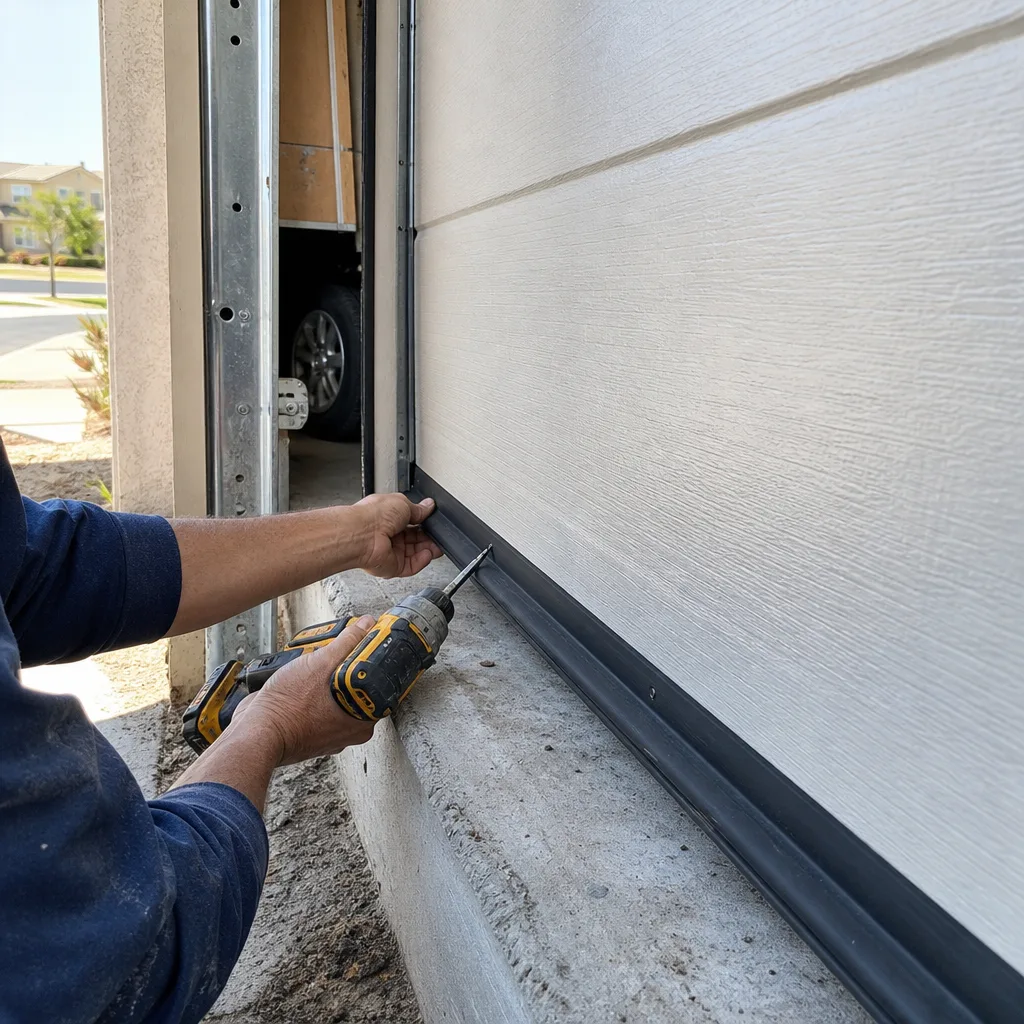
Summerlin’s summers push garage interiors past 120°F in many homes, especially west-facing garages on the ridges above the valley. That heat matters for two reasons. First, the rubber bottom seal and the nylon rollers both degrade faster in sustained heat and intense desert UV than in a mild climate; a seal that lasts five years on the coast can crack in three here. Second, springs lose tension more slowly but the metal fatigues from the constant thermal cycling, which is why spring failures in Summerlin tend to cluster in spring and early summer after the cold months re-contract the metal. If your door suddenly won’t lift one morning in April, the season is a clue, not a coincidence.
Common Mistakes to Avoid
- Replacing one spring on a two-spring door and leaving the loaded partner in place. The surviving spring is still dangerous and mismatched pairs fail early. Always have both assessed together.
- Buying a bottom seal by length only. Summerlin doors come in multiple widths and the seal profile varies by brand – measure the door’s bottom edge and match the profile, or it won’t seat.
- Mixing sensor brands. A Chamberlain replacement eye won’t reliably pair with a Genie or Craftsman opener logic board. Match the part to the opener you actually have.
- Pulling all the rollers at once. Replace one at a time or the door can shift and jam in the tracks.
- Filing a warranty claim with no photo. Without a dated picture of the failed part, the claim is your word against the manufacturer’s.
- Skipping the door balance check after new parts. A door that’s out of balance puts strain on the opener and shortens its life. Lift it halfway by hand – it should stay put.
- Assuming the cheapest replacement part is the right one. Wire diameter, stem length, and sensor brand all have to match; the wrong part is worse than the worn one.
See the difference
BeforeAfter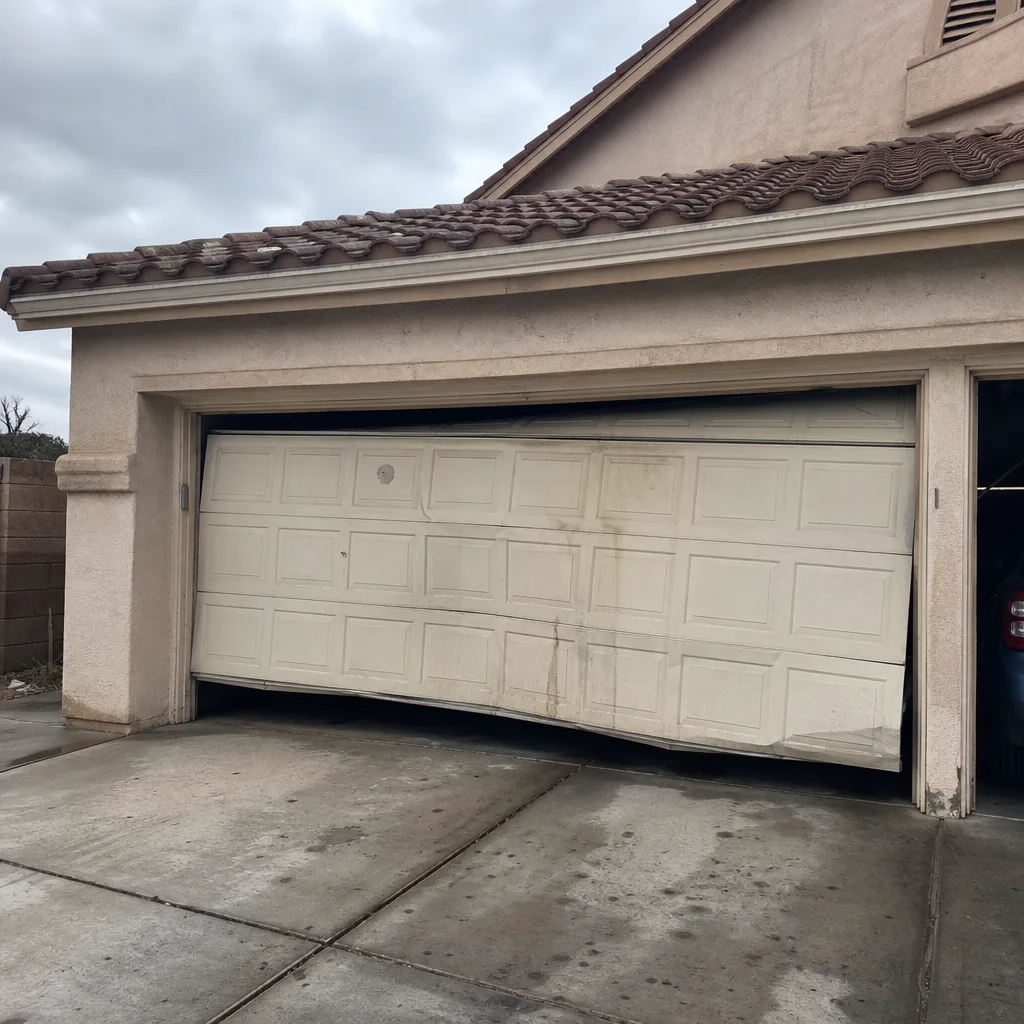 Before
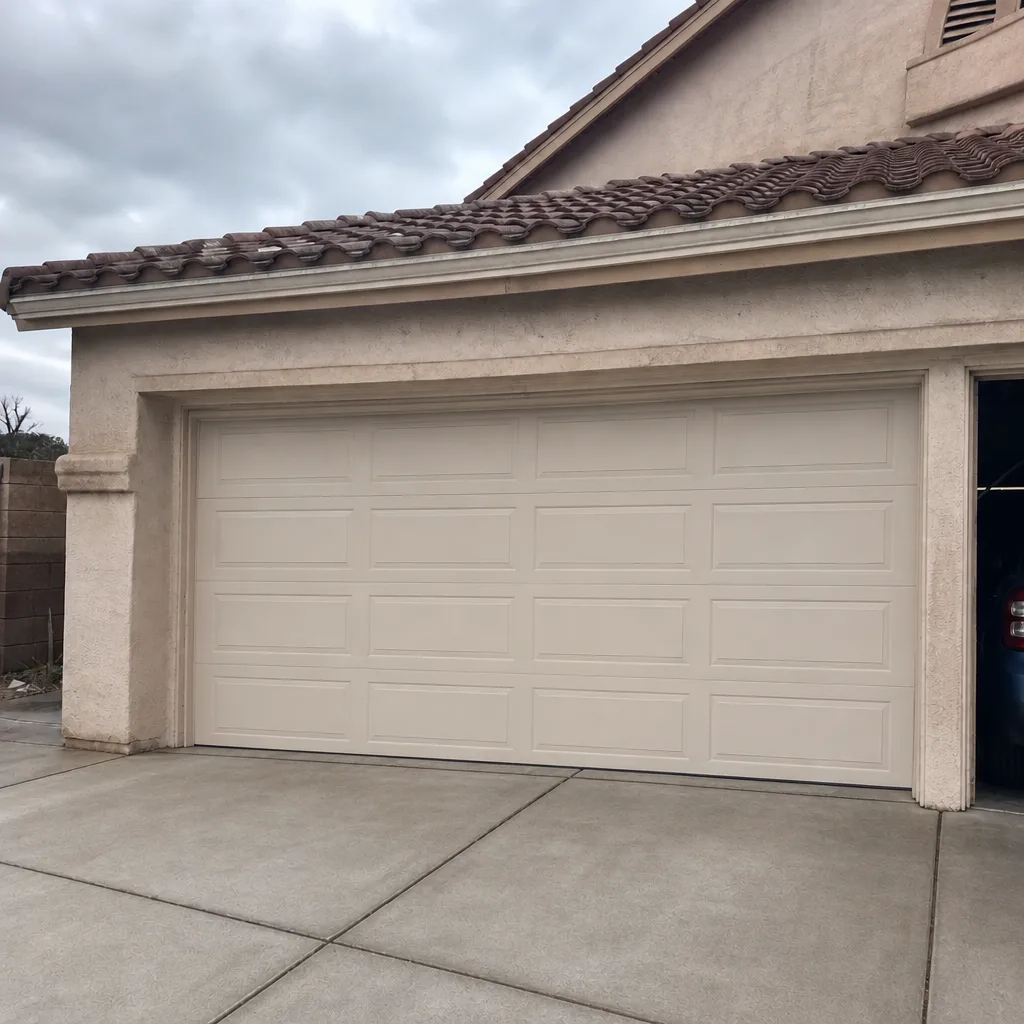 After
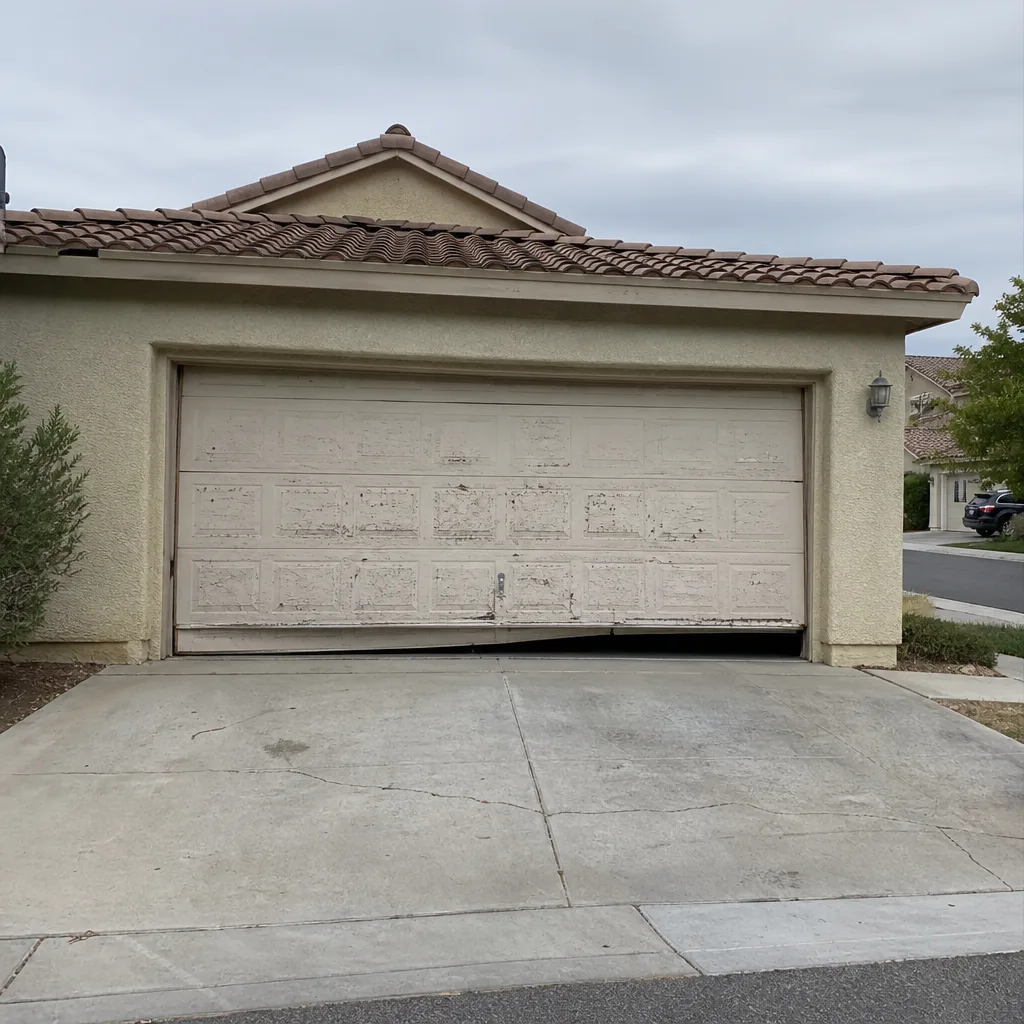 Before
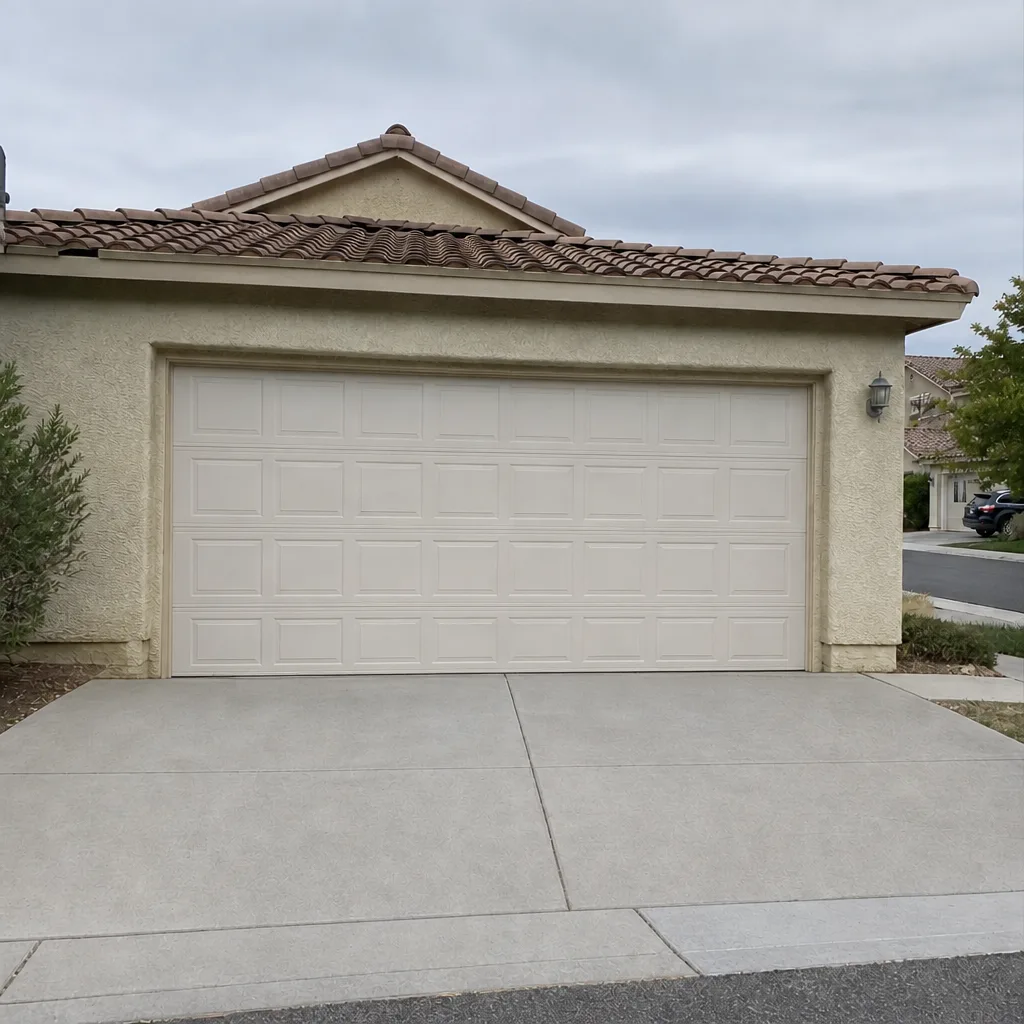 After
When to Call a Professional
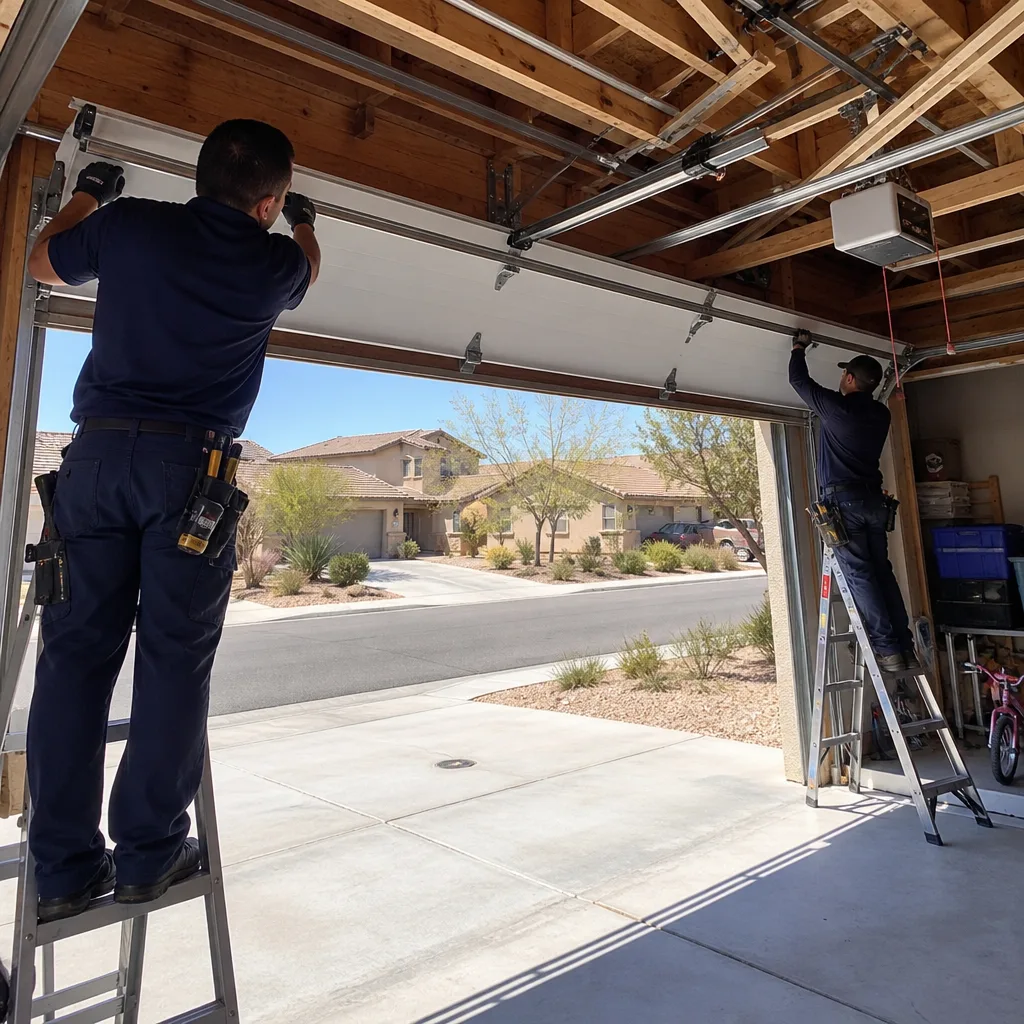
Call a professional for any spring, extension spring, cable, bottom bracket, or drum work – no exceptions, because the stored energy in those parts can injure even an experienced DIYer. Also call when the door is out of balance, when the opener runs but the door won’t move, when a door comes off its tracks, or when a DIY sensor job won’t stay aligned. We’ve been making garage doors right since 2015, and our technicians have up to 11 years of experience with every major brand – LiftMaster, Chamberlain, Genie, Clopay, Amarr, Wayne Dalton, Craftsman, and Raynor. Servo Garage Doors Summerlin offers free estimates in Summerlin and free second opinions on any written estimate you bring us. Call (844) 797-3654 and a live person answers, day or night.
Frequently Asked Questions
No. A torsion or extension spring stores enough energy under load to cause serious injury regardless of your skill or experience, and a wound spring can injure even someone who has watched every video. Spring replacement requires winding bars, a winding chart, and training; leave it to a professional. Call (844) 797-3654 for a written price before any work starts.
Rollers, bottom weather seals, exterior handles, photo-eye sensors, and remote batteries are all safe with basic tools. None of them touch the counterbalance system, so there’s no stored-energy risk. Call (844) 797-3654 if a safe job turns up a deeper problem.
A single torsion spring typically runs $180 to $320 installed in Summerlin, and a two-spring pair usually $260 to $420 depending on door weight and gauge. The price is written and agreed before work starts. Call (844) 797-3654 for an exact written quote on your door.
It’s rarely the right move. The surviving spring is still loaded and dangerous, and mismatched springs wear faster and put the door out of balance. Most two-spring doors should have both springs assessed and, usually, replaced as a matched pair. Call (844) 797-3654 and a technician will measure and match the parts.
No. We deliver a flat, written price and a written scope before any work begins, and the invoice matches the number you approved – that’s Clause 1 of The Haven Standard, and it applies on every job. Call (844) 797-3654 for a free estimate.
Yes. Servo Garage Doors Summerlin operates as an independently owned and operated business under The Haven Standard, and technicians are background-checked, uniformed, and carry the license number on record. Every visit closes with a documented photo record of what was found and what was done. Call (844) 797-3654 to schedule.
The Bottom Line
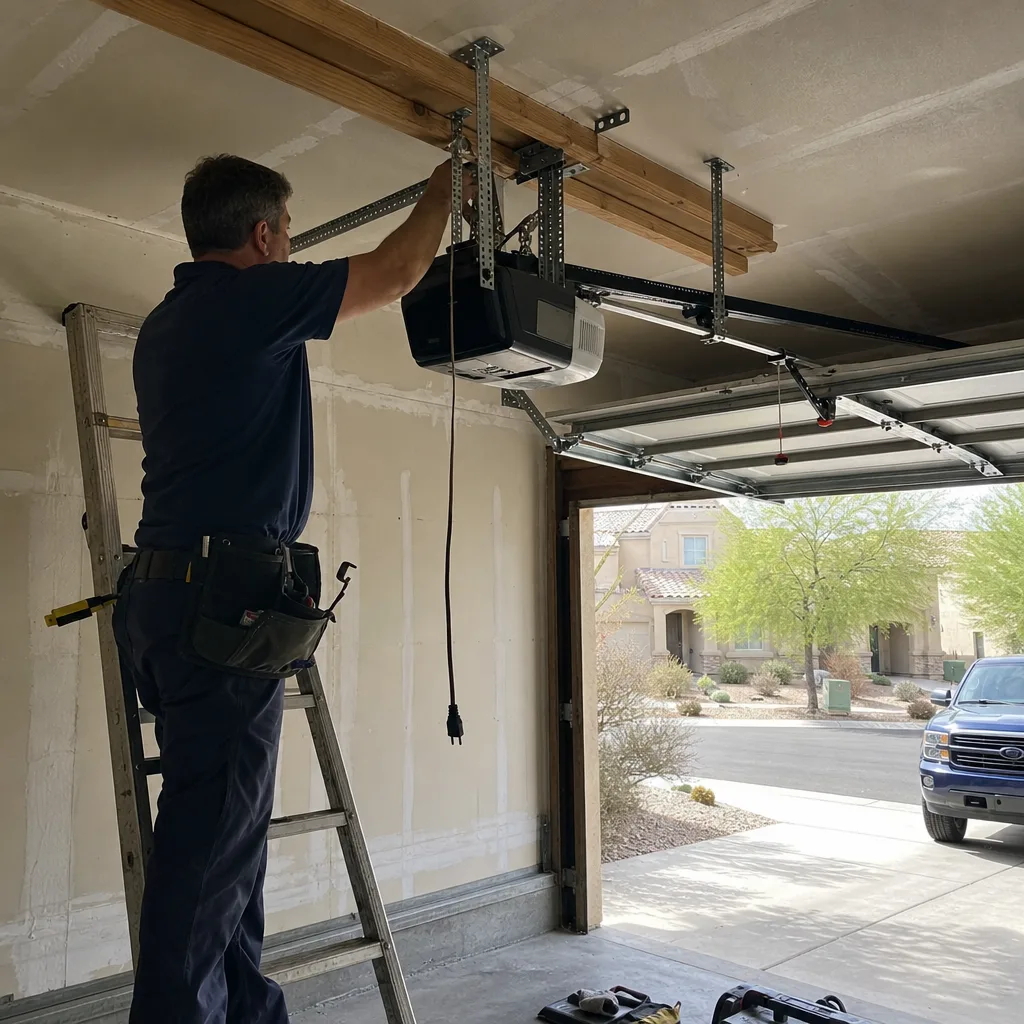
The DIY-vs-pro line isn’t about confidence – it’s about stored energy. Rollers, bottom seals, sensors, and handles are safe weekend jobs and a real way to save money. Springs, cables, bottom brackets, and cable drums are professional territory because the tension inside them can injure anyone, first-timer or veteran. Photograph any part you replace, match the part number carefully, and verify the door runs smooth before you walk away. For anything on the tension side – or when a fix doesn’t hold – call a pro. Servo Garage Doors Summerlin quotes a written price first, photographs the failed part, and backs the work with the 365-Day Done Right Promise. Our Garage Door Installation in Summerlin and Garage Door Opener Repair & Installation in Summerlin pages cover everything from a sensor to a full door.
Ready to Stop Guessing?
If a spring has snapped, a cable is slack, or a sensor you replaced still won’t keep the door closed, don’t push your luck with stored energy. Call Servo Garage Doors Summerlin at (844) 797-3654 for a free estimate – a live person answers, we quote a written price before we touch anything, and you get a documented photo record when we leave. Whether it’s a five-dollar roller or a loaded spring pair, we’ll tell you the truth about what’s actually safe to do yourself.
Written by the team at Servo Garage Doors Summerlin.