
Last updated November 17, 2026
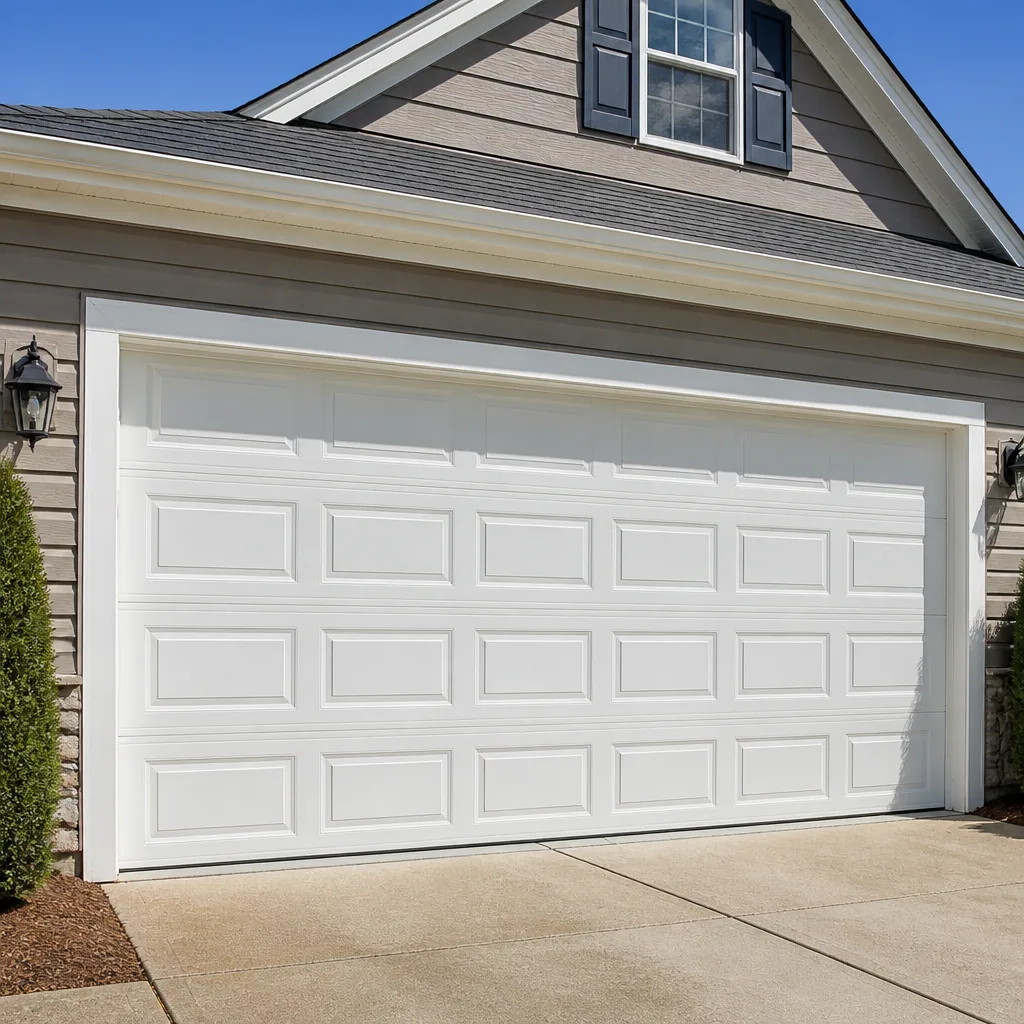 Raised-panel steel
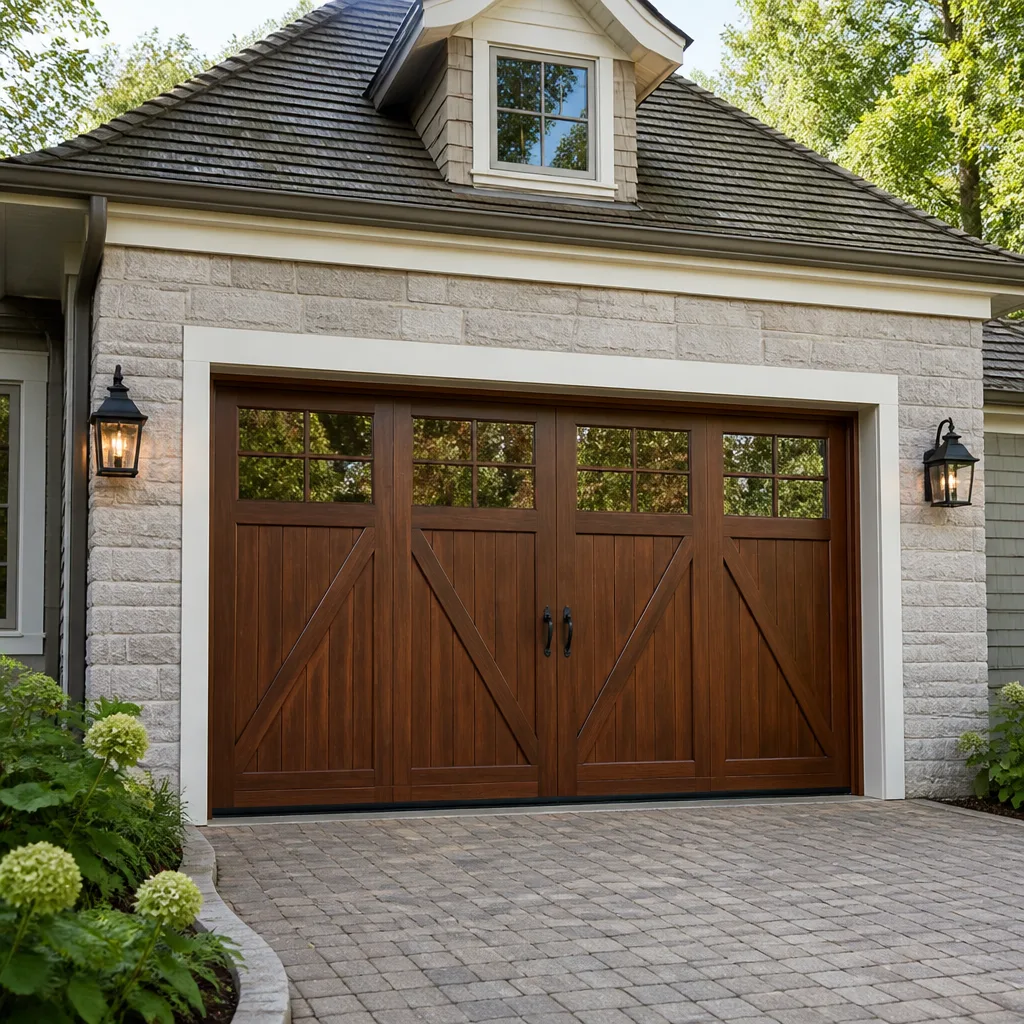 Carriage house
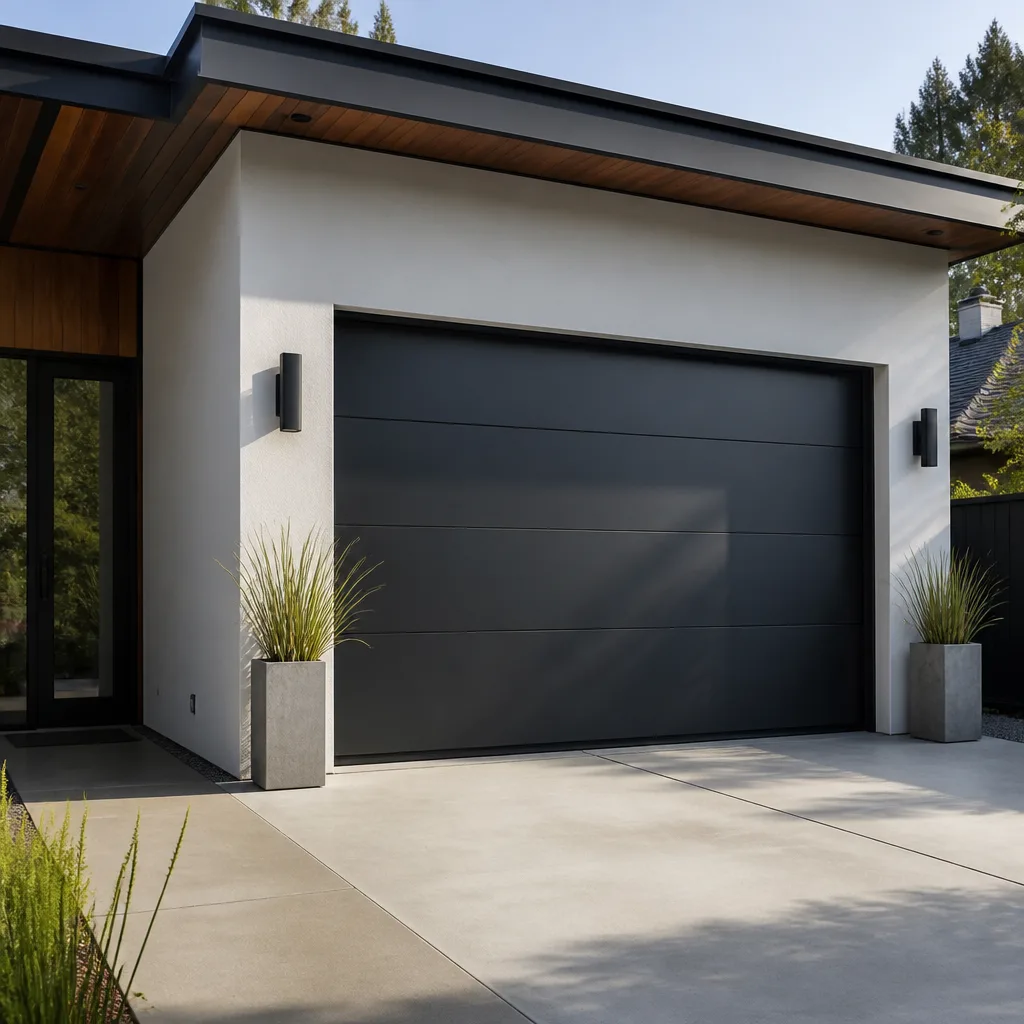 Modern flush
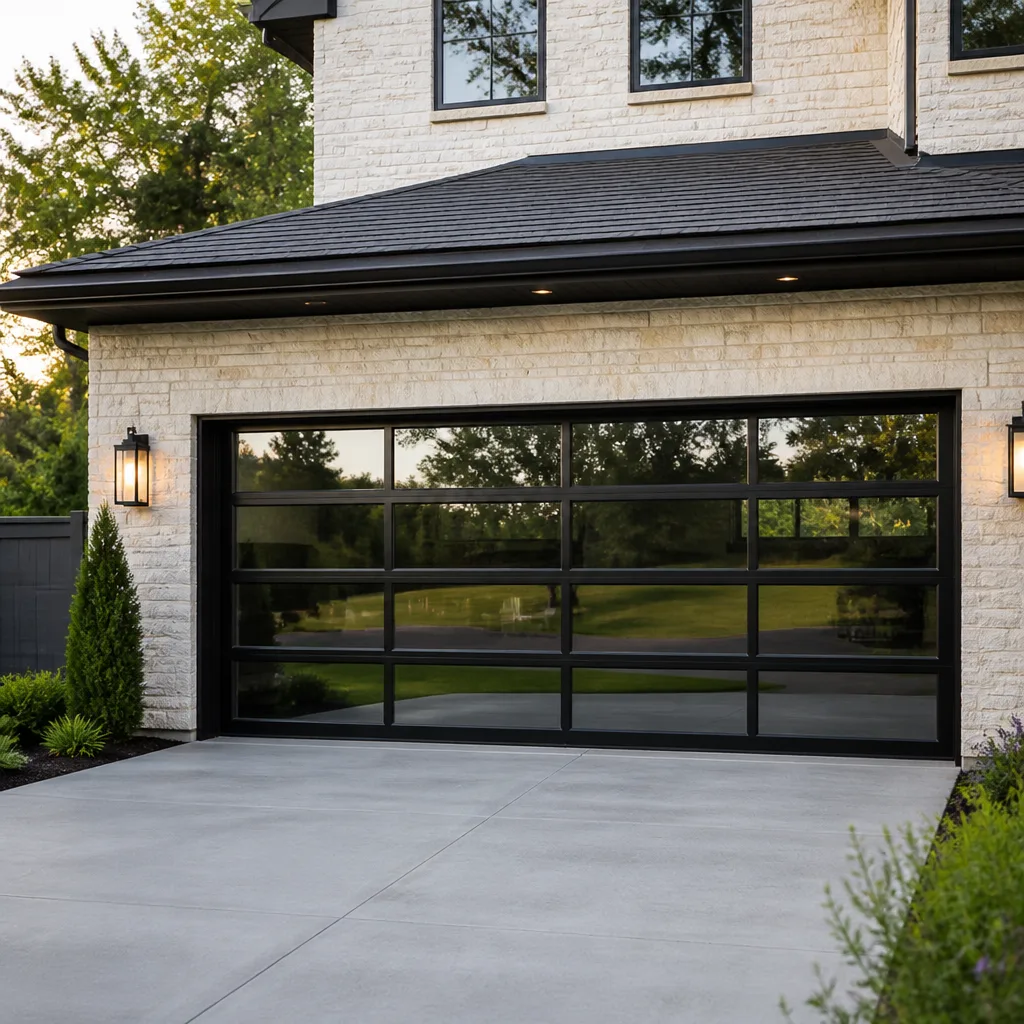 Full-view glass
 LiftMaster openers
 Chamberlain openers
Full 25-point door and opener safety check with every visit - springs, cables, rollers, tracks, and your LiftMaster or Chamberlain opener included
You get a price before we start. It does not change when the pro arrives.
Get your free estimateGarage Door Repair Warning Signs Every Homeowner Should Know
A door that takes two to three seconds longer to open than it did six months ago is not “getting old.” It’s measuring a 15-20% increase in operating resistance, which is a specific diagnostic signal for worn rollers or a cable that’s beginning to unspool. Most warning-signs guides wait until the door is broken. We start earlier, with the pre-failure indicators that show up weeks before a breakdown. A door that fails at 7 AM when you’re already late is a door that telegraphed the problem last month. In Summerlin, where we work on doors every week, the homeowners who catch these signals early spend far less than the ones who call after a spring snaps. Here’s how to read your door before it fails.
Quick Answer
The warning signs of a failing garage door are a slower open/close time (more than two seconds off its baseline), a change in sound (grinding, popping, or scraping), visible cable fraying, flat spots on rollers, a bottom seal that’s pulled away from the floor, and a door that won’t hold its position when manually raised to the midpoint. Any one of these means the door needs a professional inspection before it fails.
Styles & brands we work with
- Raised-panel steel
- Carriage house
- Modern flush
- Full-view glass
- LiftMaster openers
- Chamberlain openers
Table of Contents
- The Timing Test: Measuring Your Door’s Baseline
- Sound Changes as Early Diagnostics
- Visual Indicators That Require No Tools
- The Balance Test: What It Tells You About Spring Tension
- How to Photograph a Warning Sign Useful to a Technician
- Why Summerlin Doors Show These Signs Differently
- Common Mistakes to Avoid
- When to Call a Professional
 Before
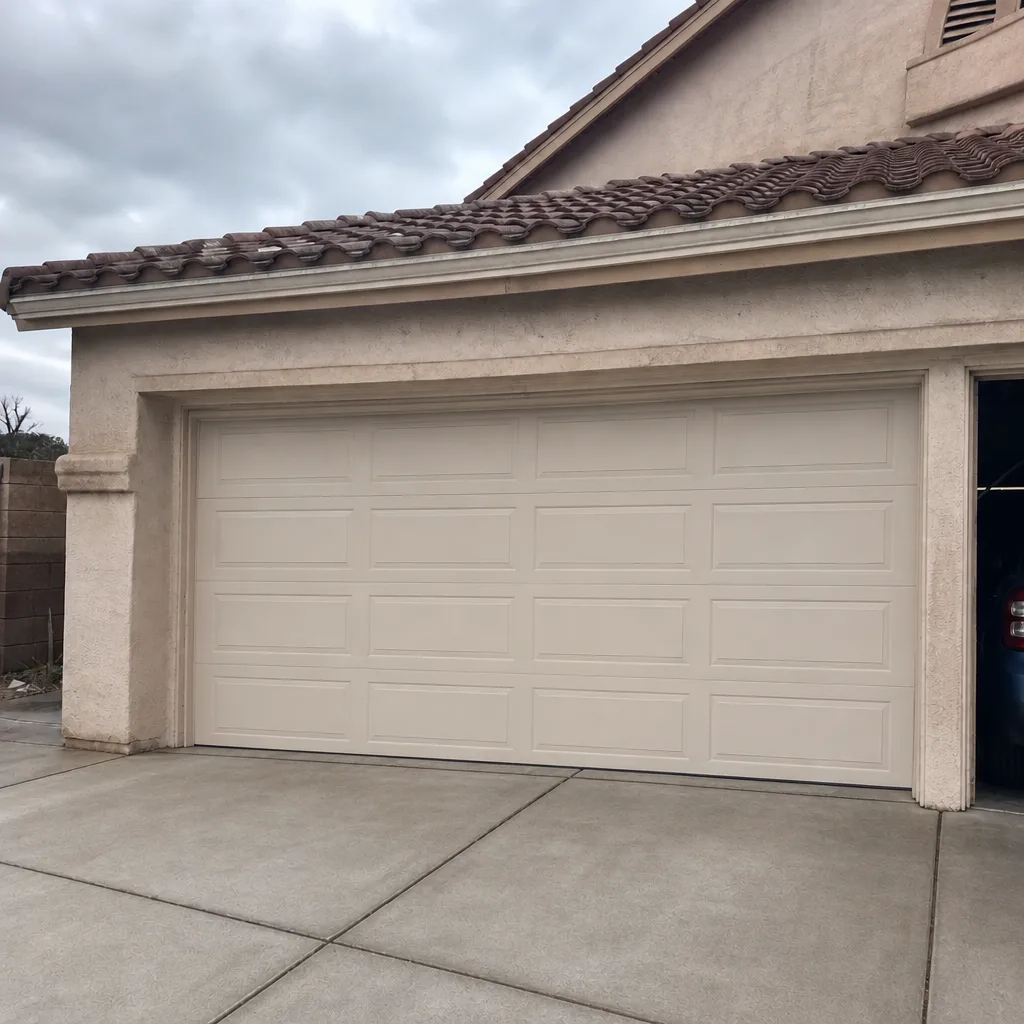
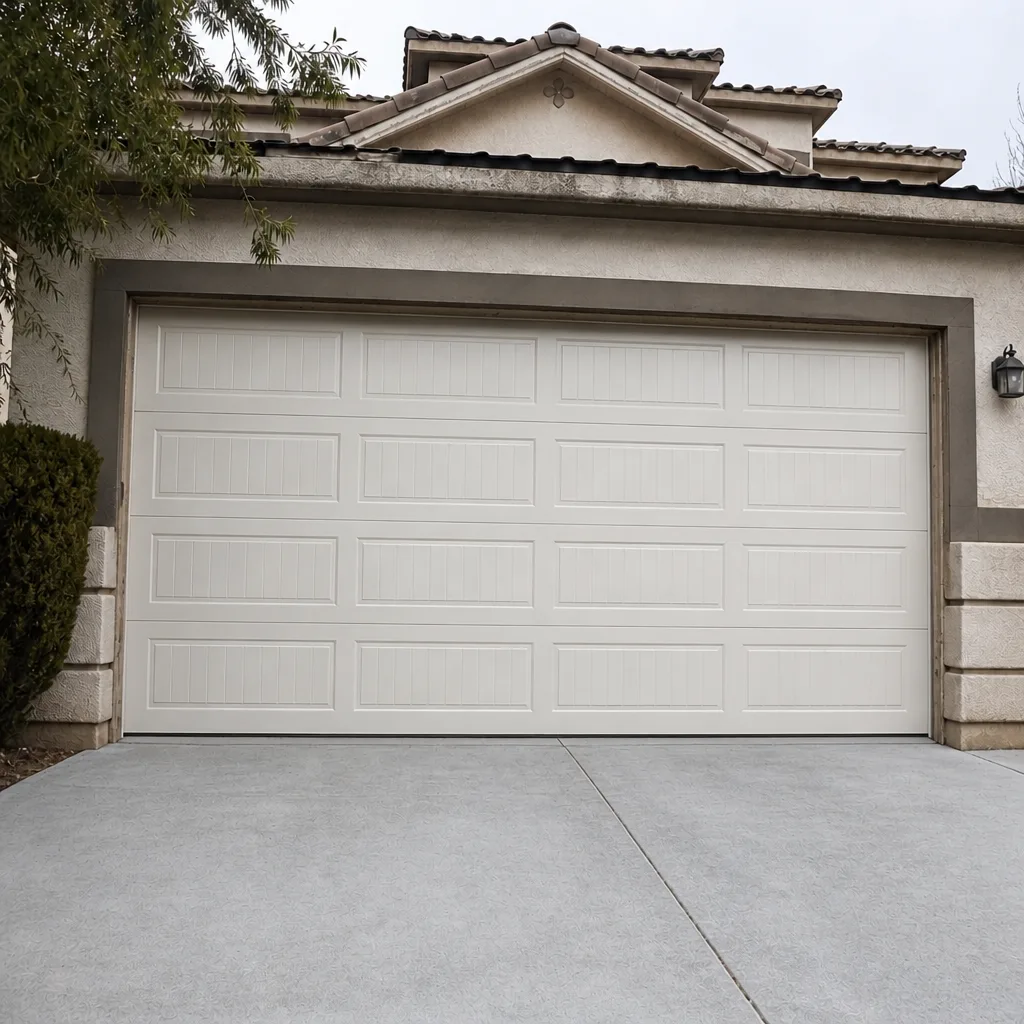 After
The Timing Test: Measuring Your Door’s Baseline
Your garage door is a machine with a measurable operating speed. When that speed drifts, something has changed in the mechanism, and the drift usually shows up weeks before a part fails outright. The test takes about a minute with a phone stopwatch.
- Establish a baseline. With the door fully closed, start your stopwatch and hit the open button. Stop when the door reaches the fully open position. Record the time.
- Repeat three times. You want the average, not a single reading. Most residential doors open in 12-18 seconds depending on height and opener speed.
- Test the close. Run the same test on the way down.
- Write it down. Put the baseline somewhere you’ll find it, like a note on your phone. This is the number every future reading gets compared to.
- Re-measure every six months. Compare to the baseline. A deviation of more than two seconds in either direction is the flag.
What does that deviation mean? On the open cycle, a slow door usually signals worn rollers, a cable beginning to unspool, or a failing torsion spring that’s lost some of its lift. On the close cycle, slowness often traces to track misalignment or a torsion spring that’s still carrying load the opener has to fight. In our experience, once a door is consistently three seconds slow, the failure window is measured in weeks. If your door has already failed outright and needs service, the Garage Door Repair in Summerlin page covers what we find and fix.
Sound Changes as Early Diagnostics
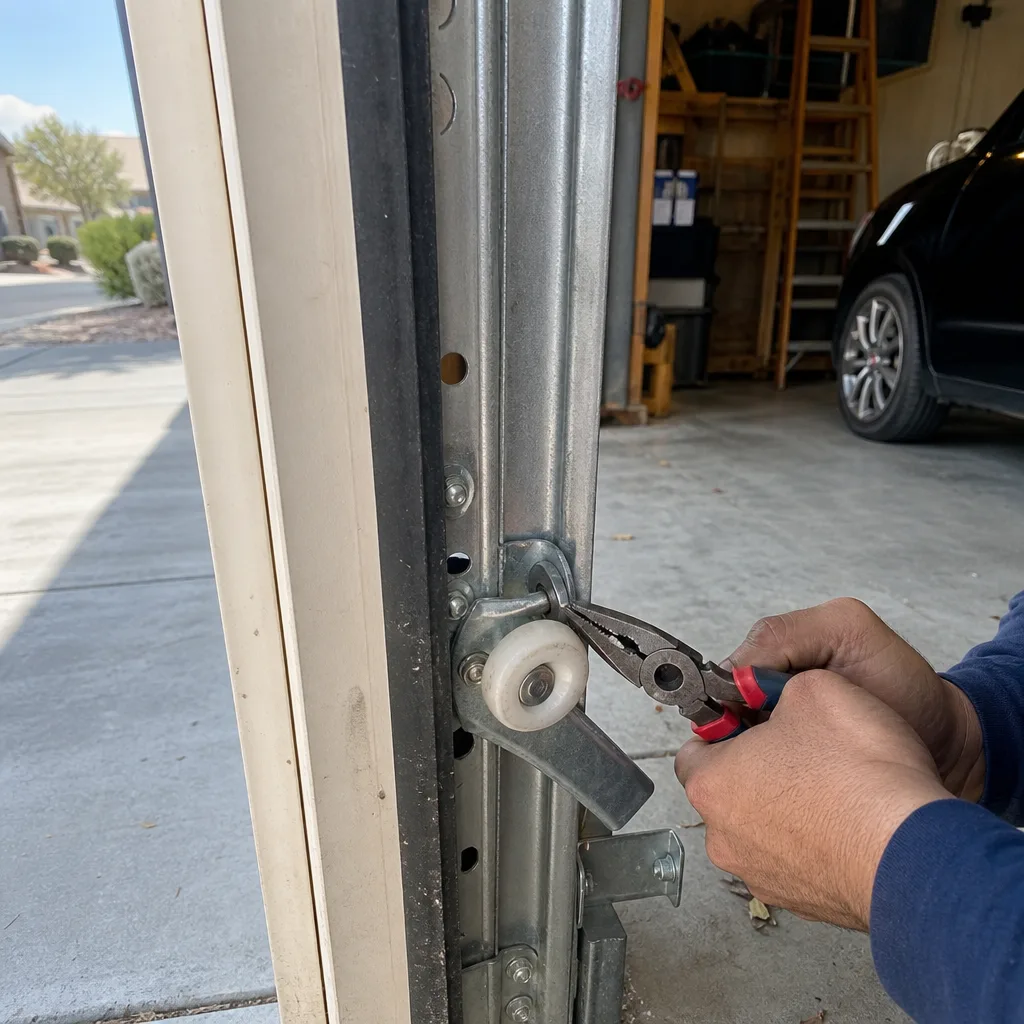
Sound is the fastest diagnostic a homeowner can take. The trick is knowing which sound maps to which mechanism. Garage doors aren’t quiet machines, but they’re consistent, and any new sound is information.
Grinding
A grinding sound, especially on the open cycle, usually means worn rollers or a dry hinge. The steel shuttle of the roller is scraping inside the track rather than rolling. Left alone, grinding rollers wear the track itself, which turns a $15-per-roller job into a track replacement.
Popping
A pop, especially one you can feel through the door, is torsion spring stress. The coil is binding or the spring has begun to fatigue. A torsion spring that pops under load has a limited number of cycles left before it breaks. Do not attempt to adjust or replace a torsion spring yourself; the spring stores enough energy to cause serious injury if released unexpectedly. This is a trained-professional job, and the safety risk is real.
Scraping
Scraping is track misalignment. The door panel or edge is rubbing against the track rather than rolling cleanly through it. Scraping adds friction, which slows the door, which stresses the opener. In Summerlin we see scraping more often on the south-facing doors, where a season of heat cycling can work the concrete anchors slightly loose.
Rattling that’s new
Rattling often means a loose bolt in the hinge or the torsion bar bracket. It’s the cheapest problem to fix and the easiest to ignore into a bigger one.
Visual Indicators That Require No Tools
You don’t need instruments to read most garage door failures. The parts tell you what’s coming if you know what to look at.
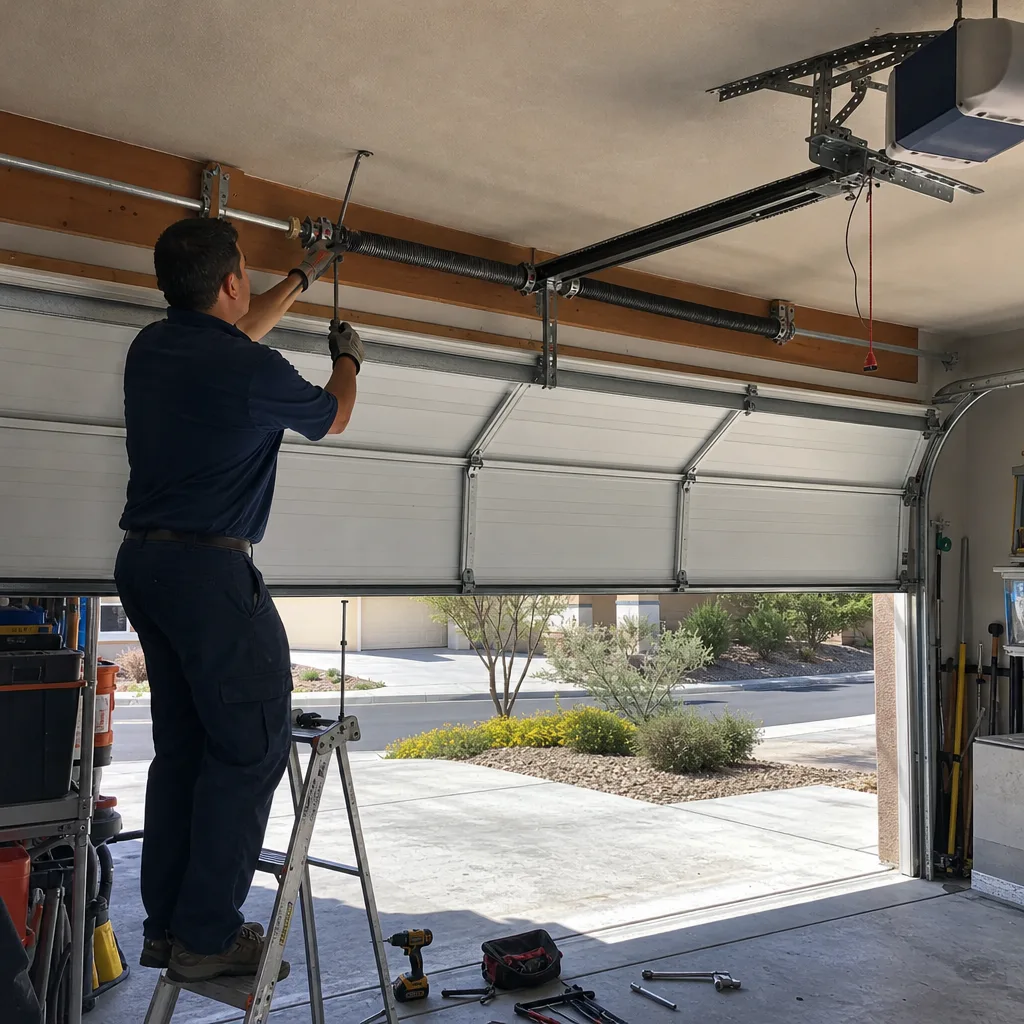
- Cable fraying. Look at the two cables that run from the bottom corners up toward the spring. A healthy cable is uniformly bright. A cable with a fuzzy section, a kink, or a broken strand in the braid is weeks from failure. A cable that snaps under load can whip, so a frayed cable warrants a professional inspection, not a DIY tightening.
- Roller flat spots. With the door down, look at the rollers inside the track from outside the door. A normal roller is round. A worn roller has a flat spot on the side, visible as a small flat facet. Flat spots mean the roller is dragging instead of rolling.
- The bottom seal gap test. Close the door and look at daylight under the bottom edge. A healthy bottom seal sits flush with the floor. A visible gap means the seal is compressed, torn, or pulled away from the retainer. It’s a small pet entry and a water and pest entry at the same time.
- Sagging panels. Sight along the door from the side. A panel that’s dropped a quarter inch at one corner is loaded unevenly, which usually traces to a spring or cable problem.
- Logic board and opener condition. If your LiftMaster or Chamberlain opener has a wall control that’s flickering or a remote that works only up close, the opener is telling you the logic board or antenna is degrading. The easy diagnostic is a fresh battery. If a fresh battery doesn’t fix it, the opener needs service. We cover this in detail on the Garage Door Opener Repair & Installation in Summerlin page.
The Balance Test: What It Tells You About Spring Tension
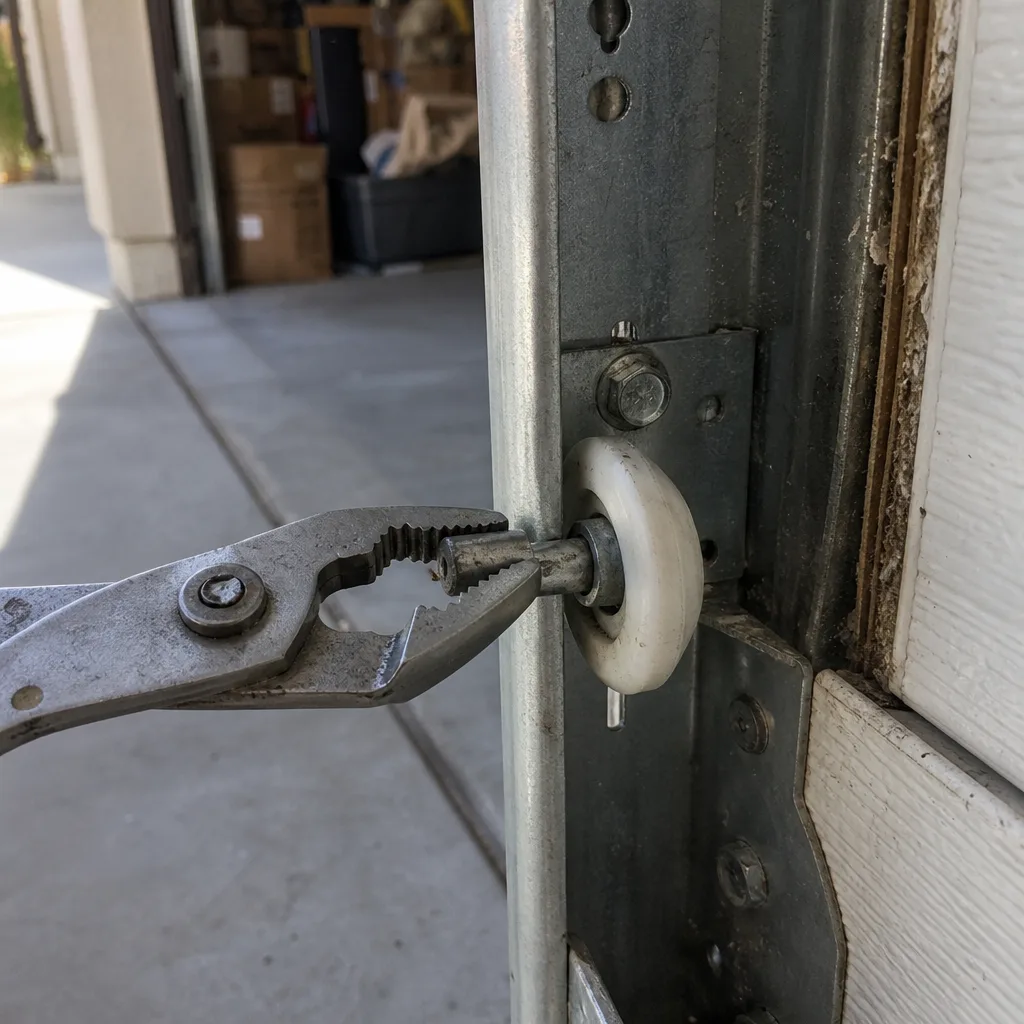
The balance test tells you whether your springs are still carrying the door’s weight, or whether the opener is doing it. It’s a two-person job for safety and takes a minute.
- Disconnect the opener. Pull the red release cord that hangs from the trolley carriage. You’ll feel the door disconnect from the opener.
- Raise the door by hand to about waist height. Steady, not fast.
- Let go slowly. A properly balanced door holds position (or drifts only slightly). A door with spring tension loss will drop.
- Repeat at the midpoint. Raise to halfway and release. The door should hold.
- Reconnect the opener. Lift the door to the fully open position and re-engage the trolley carriage.
If the door won’t hold at either position, the springs have lost tension. Most garage doors hang from one or two torsion springs or two extension springs, and they carry nearly the entire weight of the door. Never adjust or replace a spring yourself. The springs are under hundreds of pounds of tension, and a released spring or a snapped cable can cause serious injury. This is one where you call a technician. If the door won’t lift at all, or you hear a loud bang, that’s a spring failure, and the repair service covers it.
How to Photograph a Warning Sign Useful to a Technician
Most homeowners who send a photo send the wrong photo. A photo of the whole door from twenty feet away tells a technician almost nothing. A useful photo answers three questions: what part, what condition, what angle. Here’s how to shoot the three most important ones.
The cable
- With the door closed, get down at floor level.
- Frame the cable from the bottom corner up to the top roller where it meets the spring.
- Shoot in flat, even light. Overhead garage lights are fine. Avoid flash right on the cable; it blows out the braid.
- Take one wide shot to show the whole cable and one close shot of the worst section of the braid. Fraying, kinking, and broken strands are visible in a good close shot.
The spring
- Stand directly under the torsion bar (overhead spring) or beside the extension springs (side springs).
- Look for a gap in the coil. A clean gap in the middle of the coil is a broken spring.
- Shoot the gap straight on, framed with the bar on either side of it. A 0.25-inch wire diameter spring with a 2-inch gap is a photo a technician can diagnose from.
- Include one shot of the wire end, where springs sometimes unwind rather than break clean.
The track
- Stand to the side of the door, at about door height.
- Shoot down the length of the vertical track with the door closed. You want to see the roller from the side.
- A misaligned track shows as the roller sitting off-center in the track channel, or the track sitting off-plumb relative to the door edge.
- Shoot in daylight if you can. Interior garage light tends to flatten track alignment in a photo.
Clause 4 of The Haven Standard is the reason we emphasize this. The technician photographs the failed part before quoting a replacement. A homeowner who does the same can hand us a photo and skip the diagnostic call entirely, which is what our Free Second Opinion looks like when a homeowner wants a second read on a quote from another company.
Why Summerlin Doors Show These Signs Differently
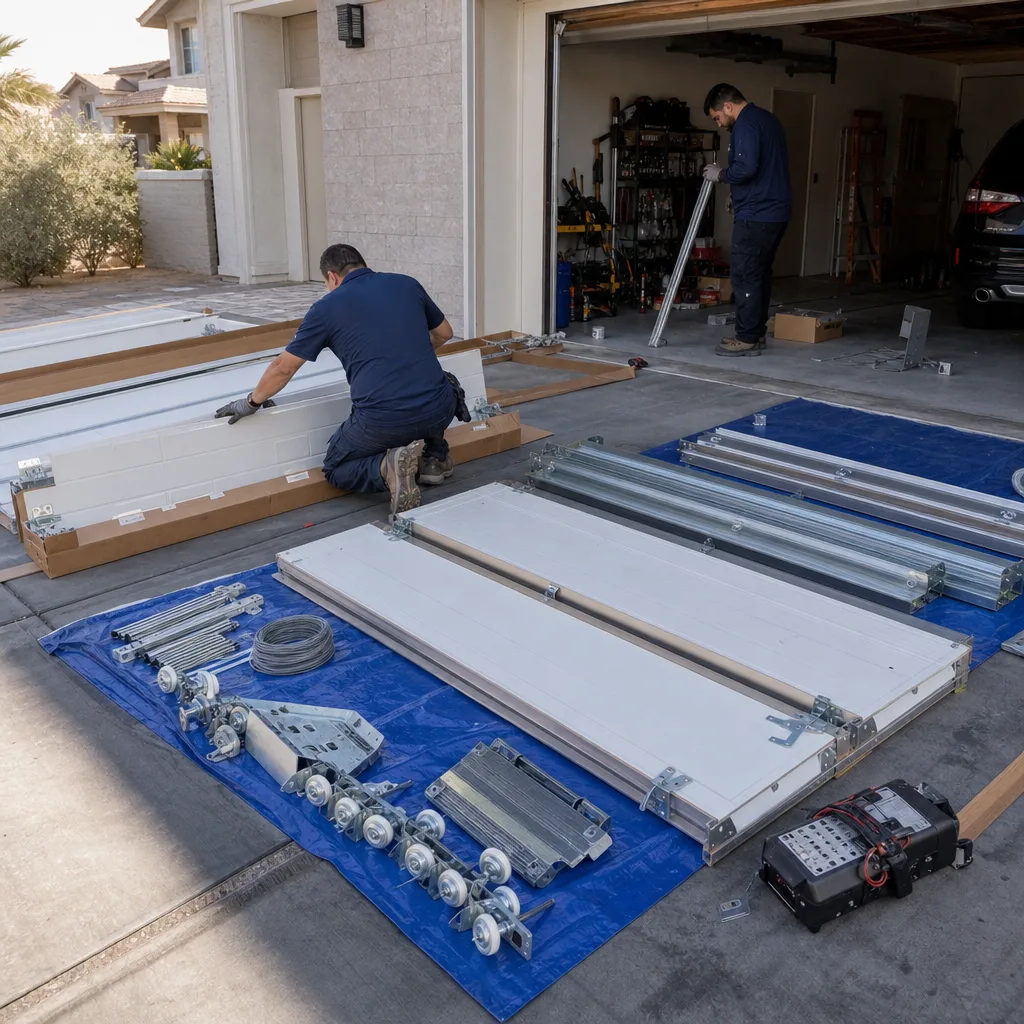
A garage door in Summerlin lives a harder life than the same door in a milder climate. Summerlin sits at the edge of the Mojave, and the daily temperature swing in spring and fall routinely runs 30 degrees or more. That swing works on the springs, the cables, and the seals in ways most warning-signs guides don’t mention.
Torsion springs in Summerlin tend to lose tension slower than elsewhere, because the door cycles fewer times in winter, but the loss is more sudden when it happens. Heat cycling in summer brings the failure forward. We see a spike in spring failures in the second half of June, when the door has cycled through a spring of 90-degree afternoons and the spring steel is tired. In the south-facing doors, especially in neighborhoods like The Ridges and Red Rock Country Club, the sun loads the door face itself through the afternoon, and the panel skin cycles hot-cold at a rate the north-facing doors never see.
The bottom seals in Summerlin also fail faster than the national average. The dry desert air pulls the EPDM rubber seal through a slow dry-out, and a dry seal cracks and pulls back from the retainer. A door with a two-year-old bottom seal in Summerlin can be showing the gap test we walked through above, when the same seal would last five years in a wetter climate.
Summerlin’s neighborhoods also vary by track. The gates communities like The Trails and Summerlin West have their doors on shared driveways with slightly different exposure; the doors on the eastern side of the valley in The Lakes and Sun City Summerlin tend to sit under more afternoon shade and cycle cooler. The implication is practical: a Summerlin door that’s showing warning signs two or three years earlier than a friend’s door in Henderson isn’t unusual here. If you’re replacing a door rather than repairing one, the Garage Door Installation in Summerlin page covers how we spec the door to the exposure.
Common Mistakes to Avoid
- Treating a slower door as “just getting old.” A garage door doesn’t slow down because it’s old; it slows down because a part is losing function. By the time most Summerlin homeowners call us, the door has been slowing for six to twelve weeks. The fix at that stage is a roller or cable, not a spring.
- Lubricating a grinding roller instead of replacing it. A shot of white lithium grease on a worn roller quiets the noise for a week and hides the problem. The flat spot on the roller is still there, and it’s still wearing the track. Replace, don’t mask.
- Adjusting the open and close limits to make a slow door “work”. Changing the opener’s limit switches changes where the door stops, not how fast it travels. Raising the limit to force a slow door open is a false fix that stresses the opener’s gear and motor.
- Ignoring the bottom seal gap through a Summerlin summer. The gap that lets in a little dust in April is a rodent entry and a monsoon water entry by August. The seal is a cheap part and a quick replacement.
- Assuming the opener is the problem when the door is. A LiftMaster or Genie opener that struggles to lift the door is usually fine; the door is heavy because the springs have gone. Replacing the opener fixes the symptom and leaves the door’s weight to fail on the new unit.
- Calling a general handyman for a torsion spring. The spring carries the door’s weight and stores energy that can injure. This is a licensed garage door technician’s job. We’re state-licensed and insured, and we won’t hand a spring job to a generalist.
- Buying a new door before a diagnostic. A door that’s showing warning signs is more often repairable than replaceable. Get a written diagnostic before you sign for a new door. If you already have a quote from another company, bring it in for a Free Second Opinion.
When to Call a Professional
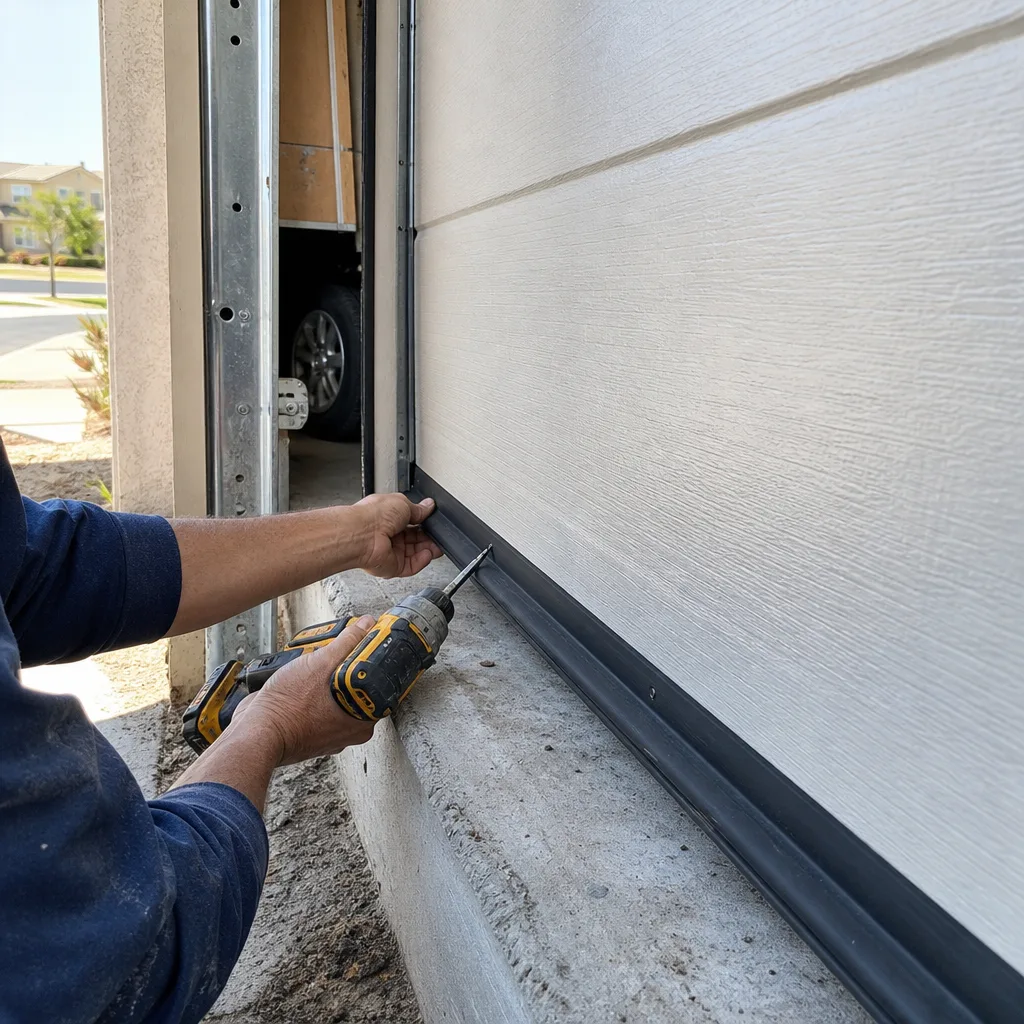
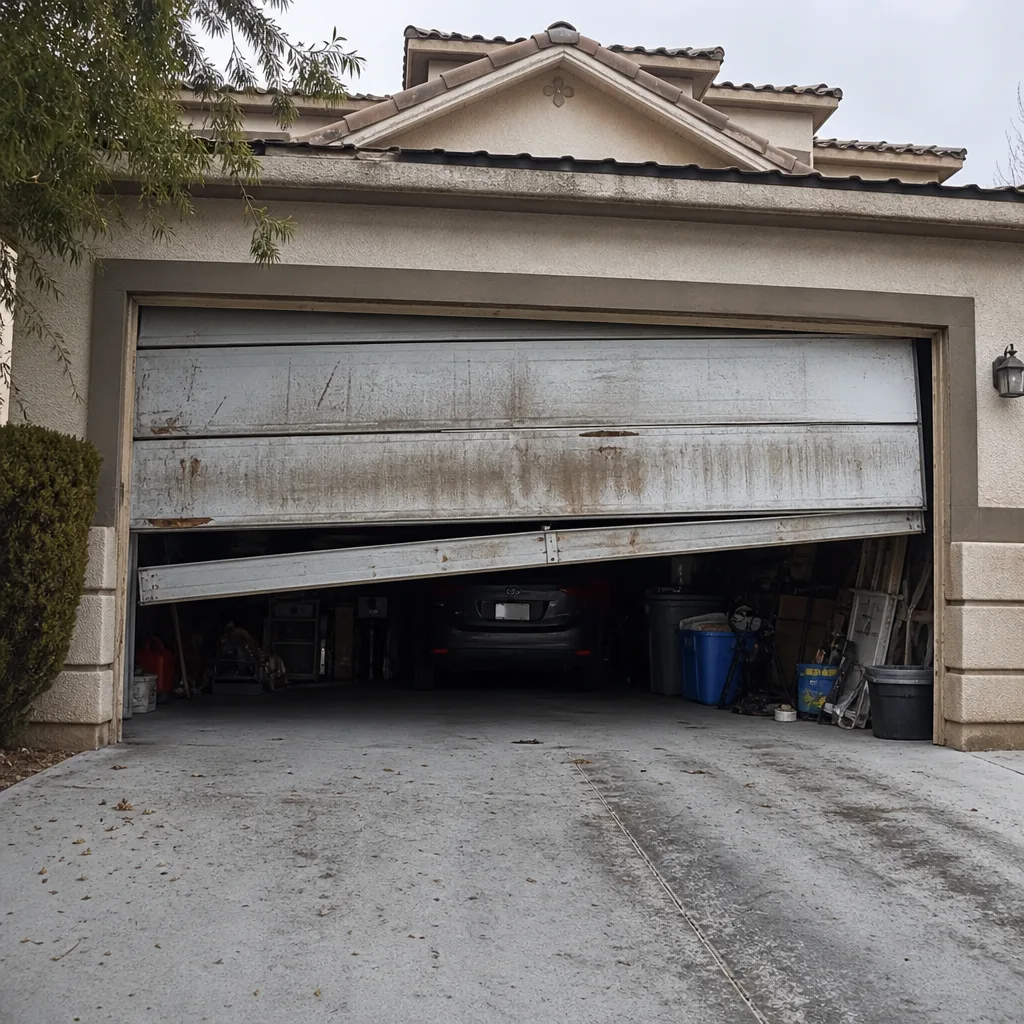
Call a professional the moment you find a frayed cable, a spring with a visible gap, a door that won’t hold at the midpoint in the balance test, or a loud pop that came with a sudden failure. Those are not “keep an eye on it” signals. A door that’s off its track, has a panel out of alignment, or won’t close fully is also a call today, because the door is now a physical hazard as well as a security problem. Any warning sign that appears on a door with a LiftMaster, Chamberlain, or Clopay opener and hasn’t been serviced in the last couple of years is worth a diagnostic even if nothing has failed yet. Servo Garage Doors Summerlin offers free estimates in Summerlin, a flat written price before any work starts, and a photo record of what we found. Call (844) 797-3654.
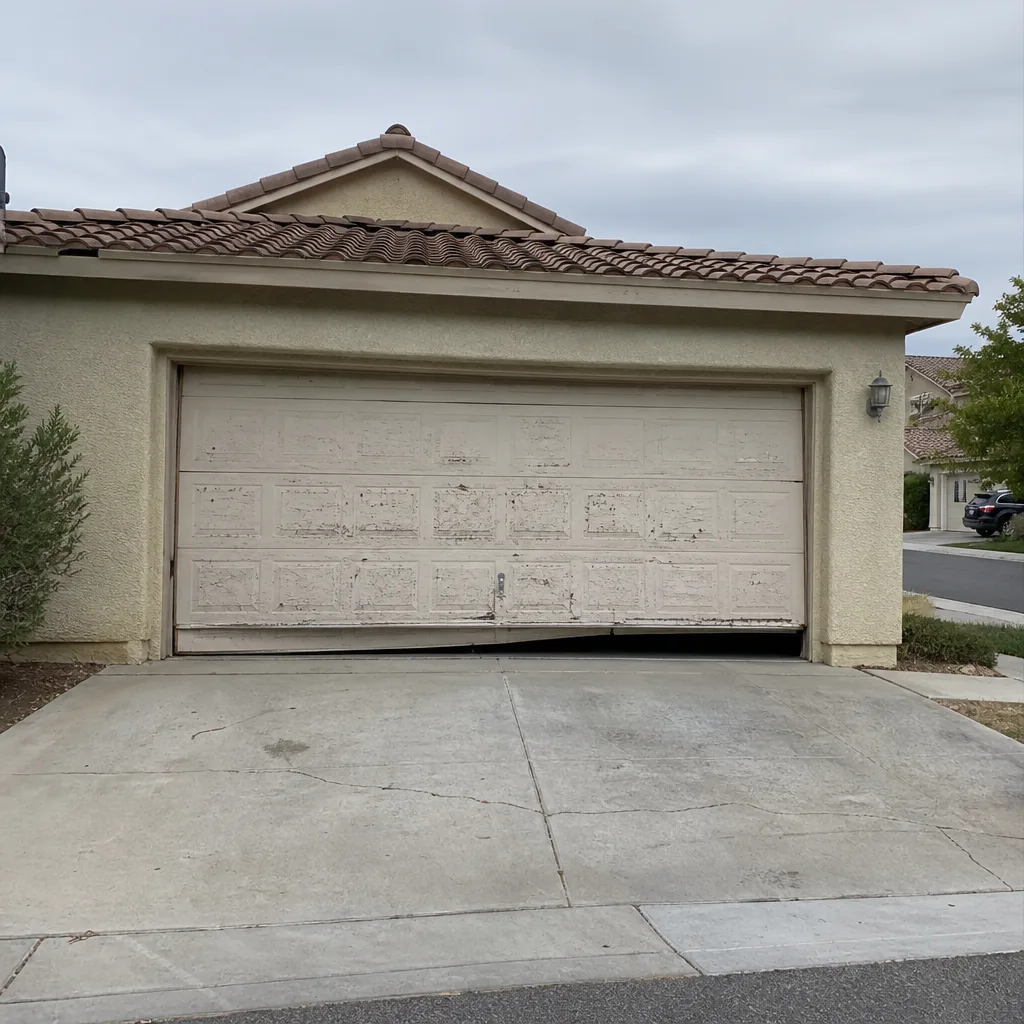
See the difference
BeforeAfter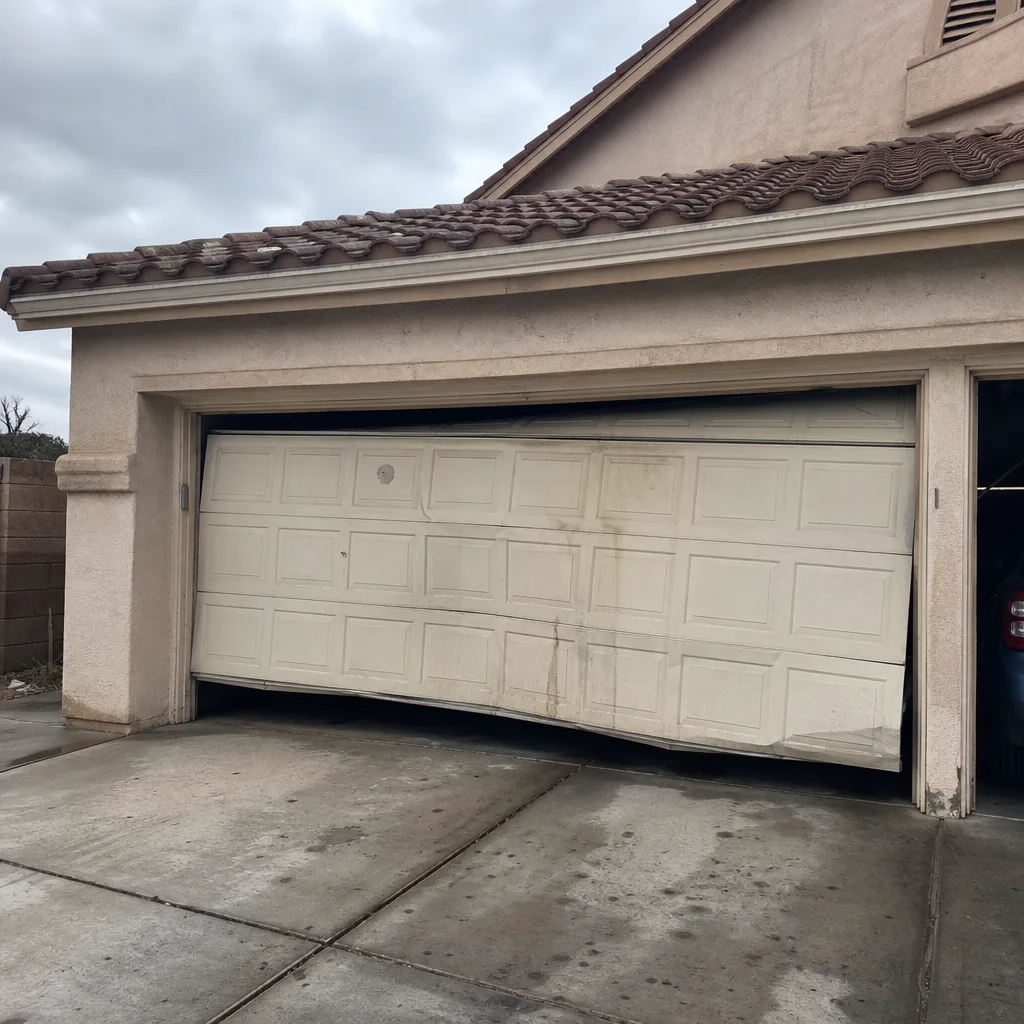 Before
 After
 Before
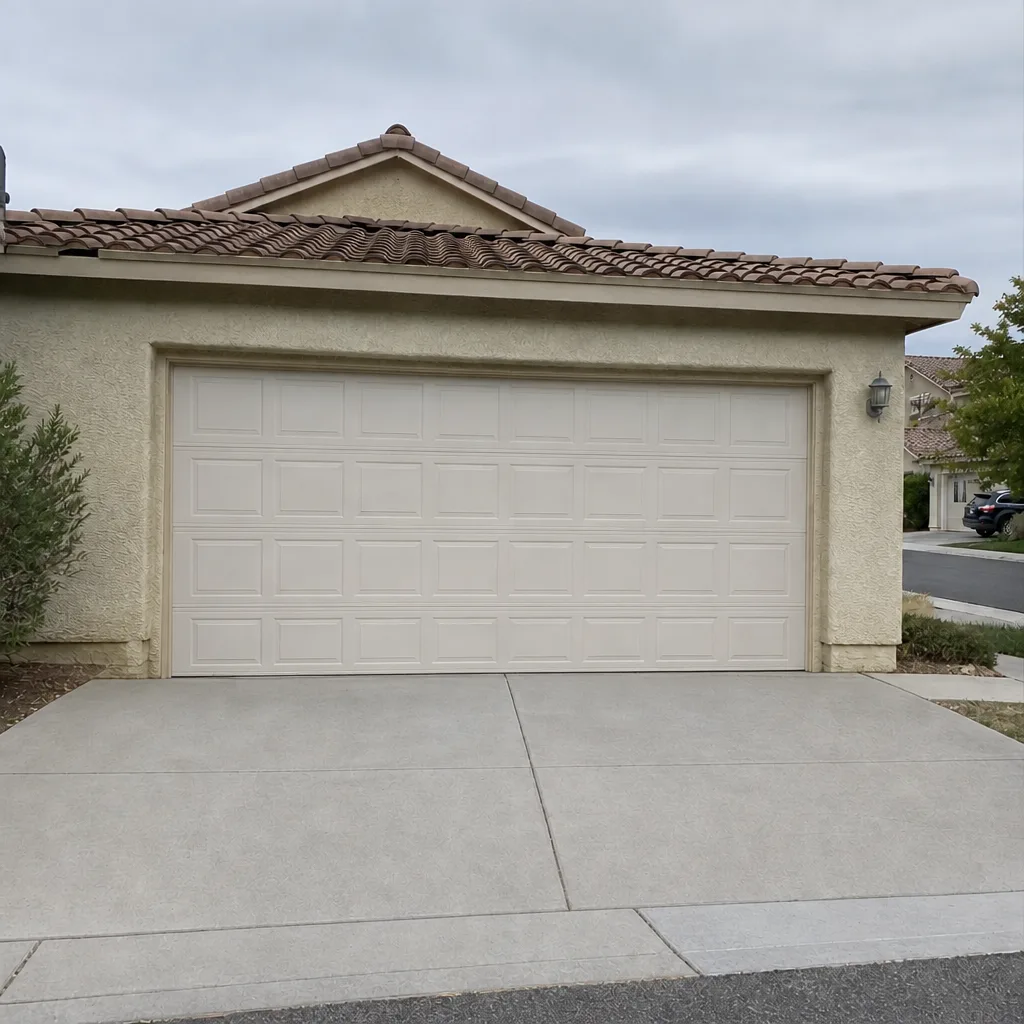 After
Frequently Asked Questions
The timing drift. A door that’s two seconds slower than it was six months ago is the earliest reliable signal of resistance increase from worn rollers or a cable beginning to unspool. Homeowners notice it as a feeling (“the door feels sluggish”) but rarely measure it. A phone stopwatch and a baseline note are enough to catch it weeks before failure.
A pop in a torsion spring is a real safety concern. The spring is under hundreds of pounds of tension and a pop typically means the coil is binding or has begun to fatigue. Do not adjust the spring yourself. Call a professional for an inspection; if the spring is close to failure, a sudden snap can be violent. Call (844) 797-3654 for a same-day diagnostic.
Once a year for a routine inspection, and immediately after any of the warning signs in this guide. The desert heat cycle in Summerlin is harder on springs, seals, and track anchors than the national average, so a door that lives here benefits from a yearly diagnostic that catches tired parts before June. A free estimate is the right call before a failure, not after.
No. A garage door cable is under tension from the spring, and a cable that’s fraying is a cable that can snap and whip. Replacing it is not a homeowner job. It’s a trained technician’s job, and we handle it with the proper tooling and safety procedure. Call us for a written quote before touching the cable.
Yes, until it doesn’t. An opener can lift a heavy door for weeks by forcing against a tired spring, which means it’s quietly wearing out its own gear and motor. If you’ve noticed the door getting slower, the opener is the second thing to fail, not the first. Replace the spring before the opener gets replaced because the spring failed.
Roller replacement typically runs $180-$280, a torsion spring replacement typically runs $250-$420, and a cable replacement typically runs $200-$320, depending on the door and access. The exact price is quoted in writing before any work starts; we never quote after we’ve started. Call (844) 797-3654 for a free estimate, and if you have a written estimate from another company, bring it in for a Free Second Opinion.
The Bottom Line
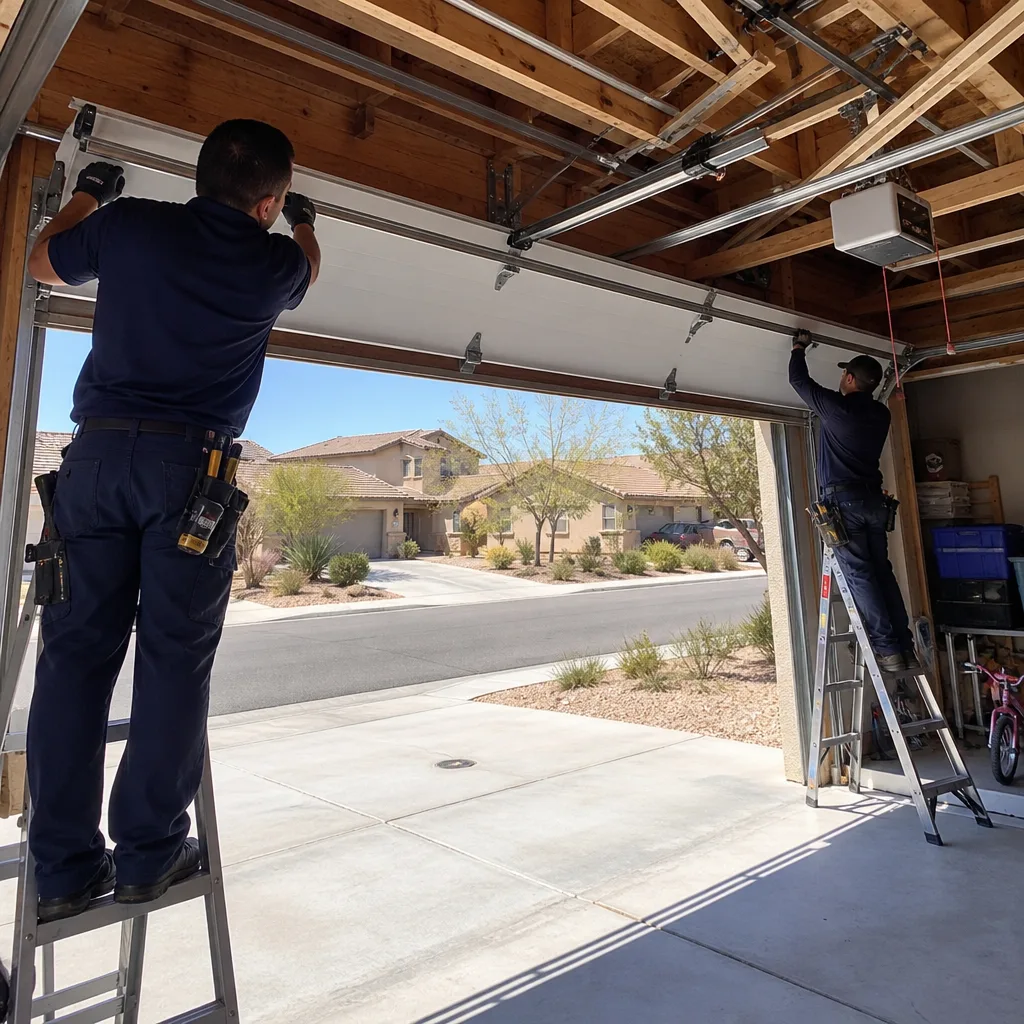
The warning signs that matter show up weeks before the door fails, and the ones you can measure (time, sound, the balance test, the gap under the seal) are the earliest and the most reliable. Establish a timing baseline with your phone, listen for grinding, popping, and scraping, look at cable and roller condition from outside the door, and do the balance test once a season. A Summerlin door runs a harder cycle than the national average, so read these signs on the Summerlin schedule, not the generic one. If any of them are showing, call before the door makes the decision for you.
Servo Garage Doors Summerlin is independently owned and operated under The Haven Standard. Our technicians have up to 11 years of experience, we service LiftMaster, Chamberlain, Genie, Clopay, and the other major brands, and every job comes with a flat written price before work starts (Clause 1 of The Haven Standard), a documented photo record of what we found and what we did, and the 365-Day Done Right Promise. Calls are answered by a live person, 24 hours a day, including emergency calls. For a free estimate, call (844) 797-3654. If you’d like to start with what we offer across the valley, see Servo Garage Doors Summerlin home.
Written by the team at Servo Garage Doors Summerlin.