
Last updated November 17, 2026
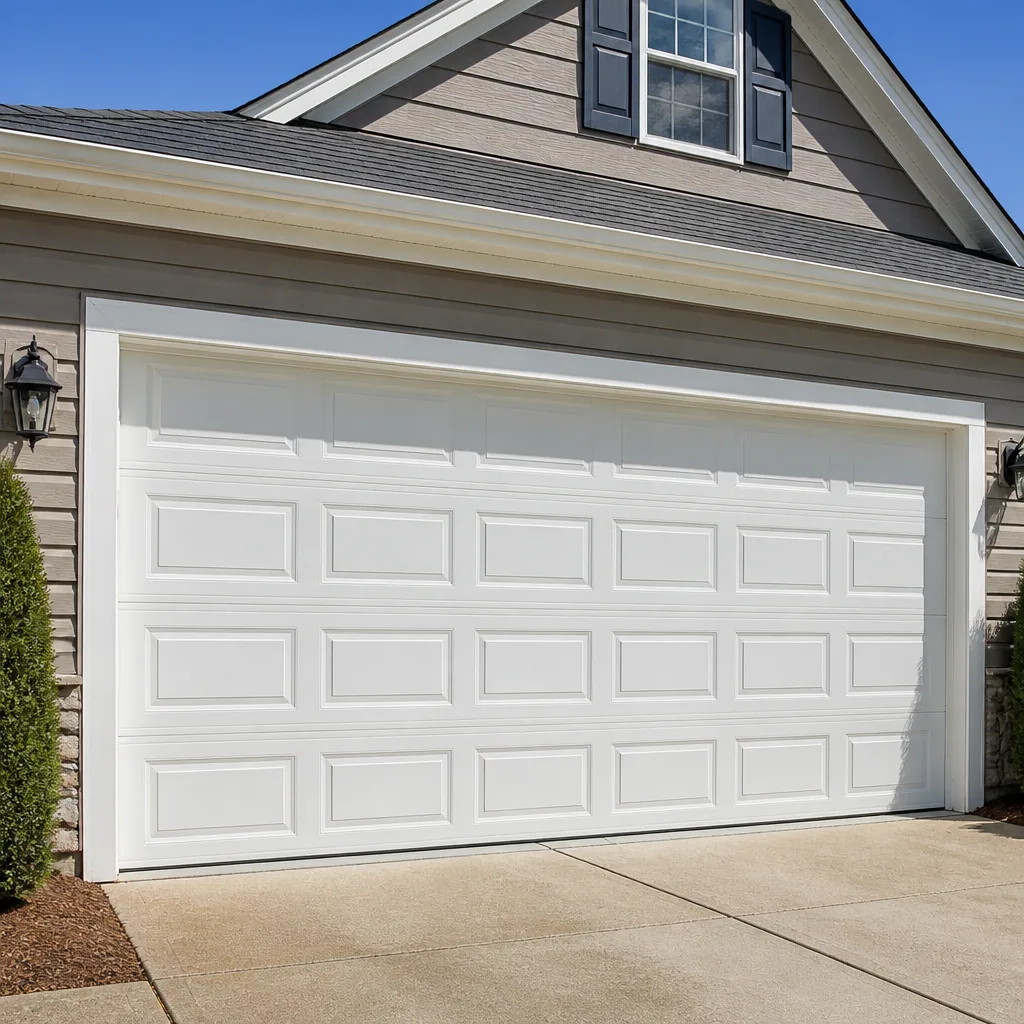 Raised-panel steel
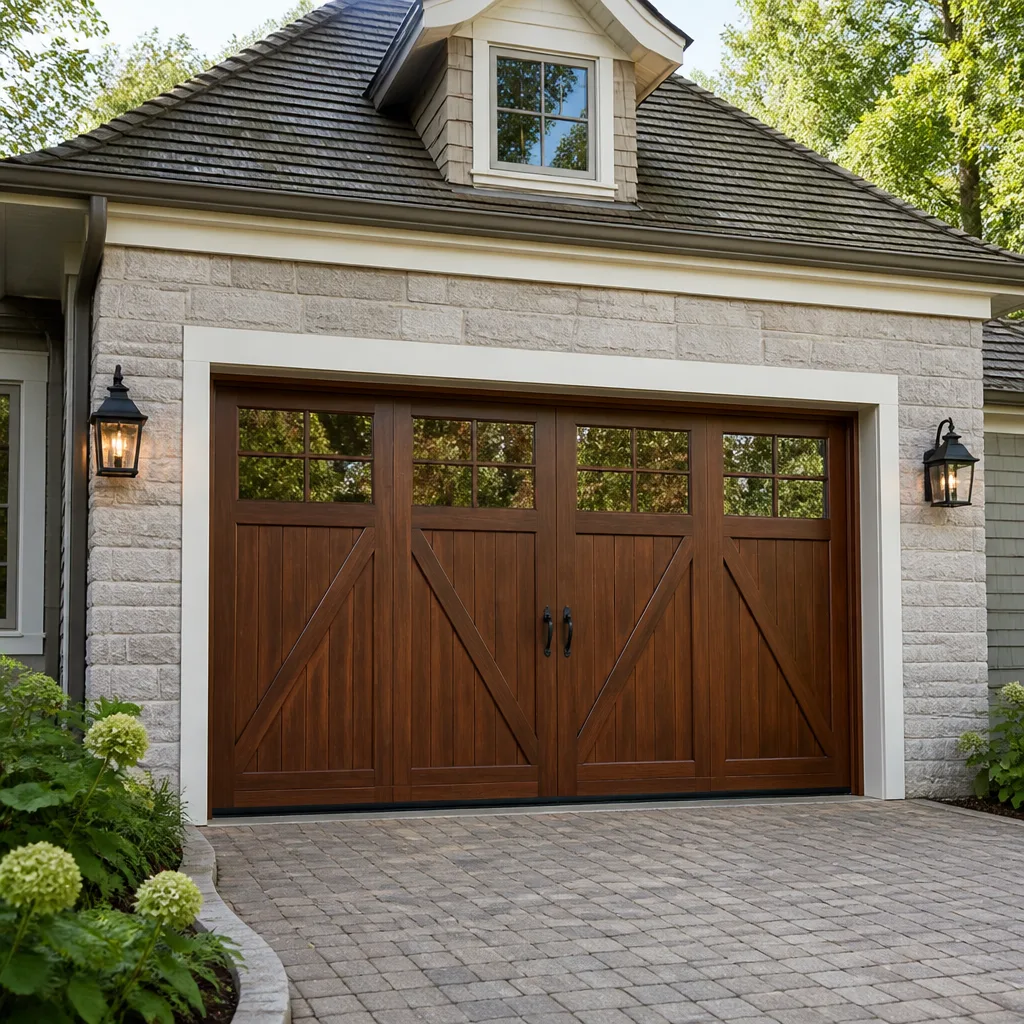 Carriage house
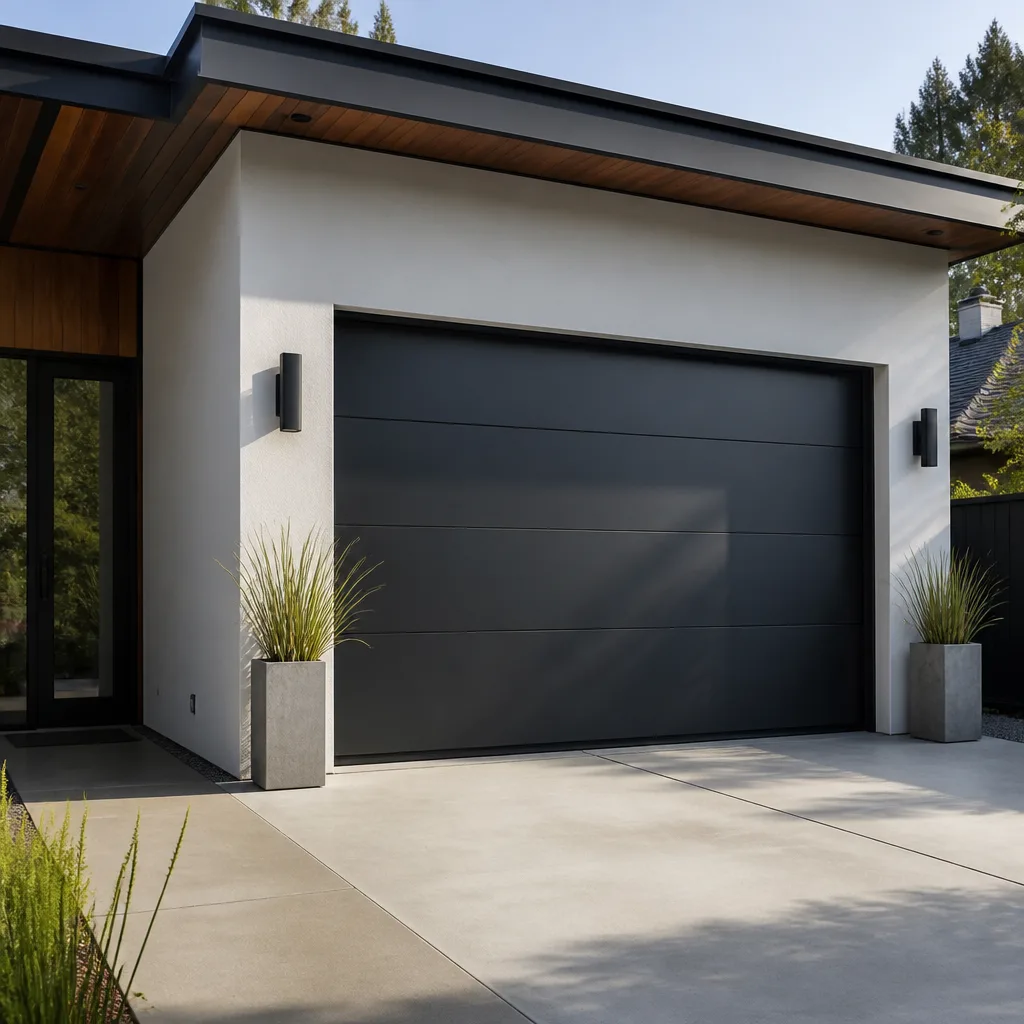 Modern flush
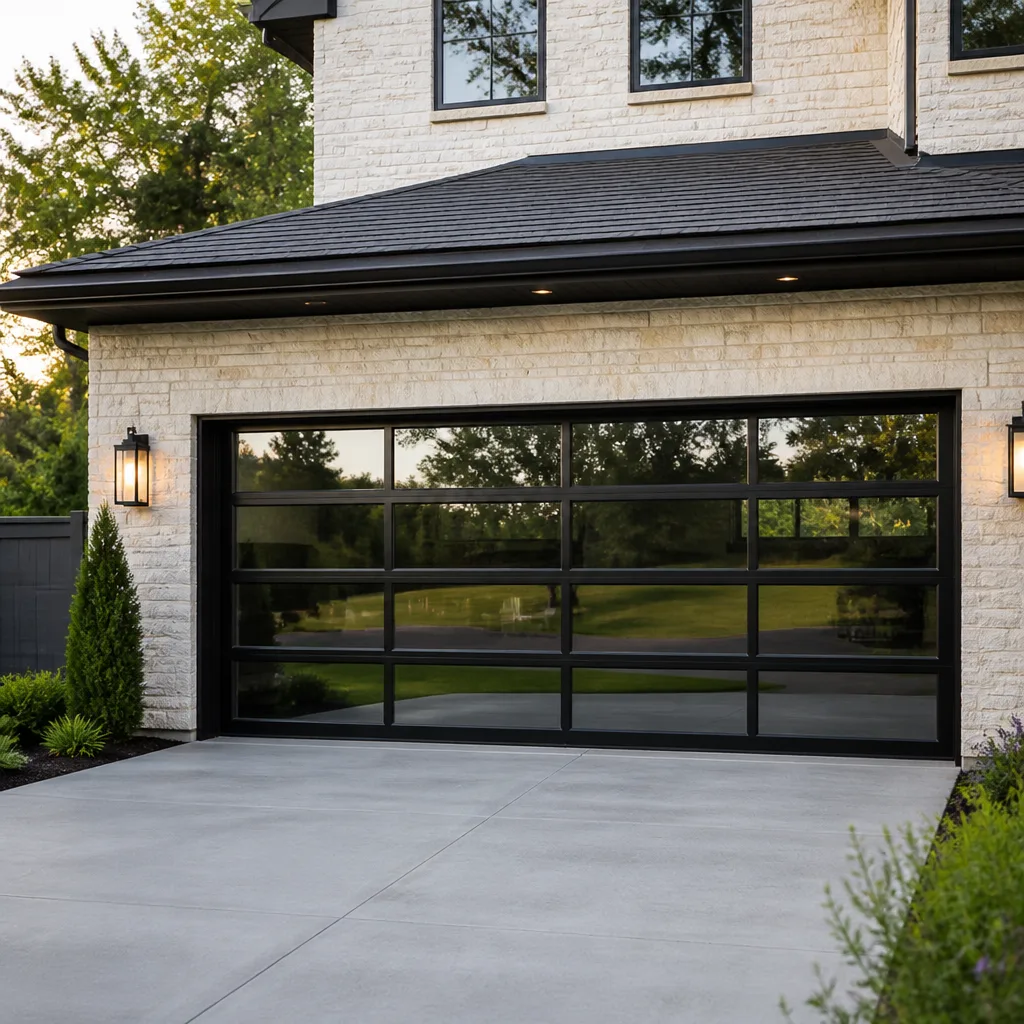 Full-view glass
 LiftMaster openers
 Chamberlain openers
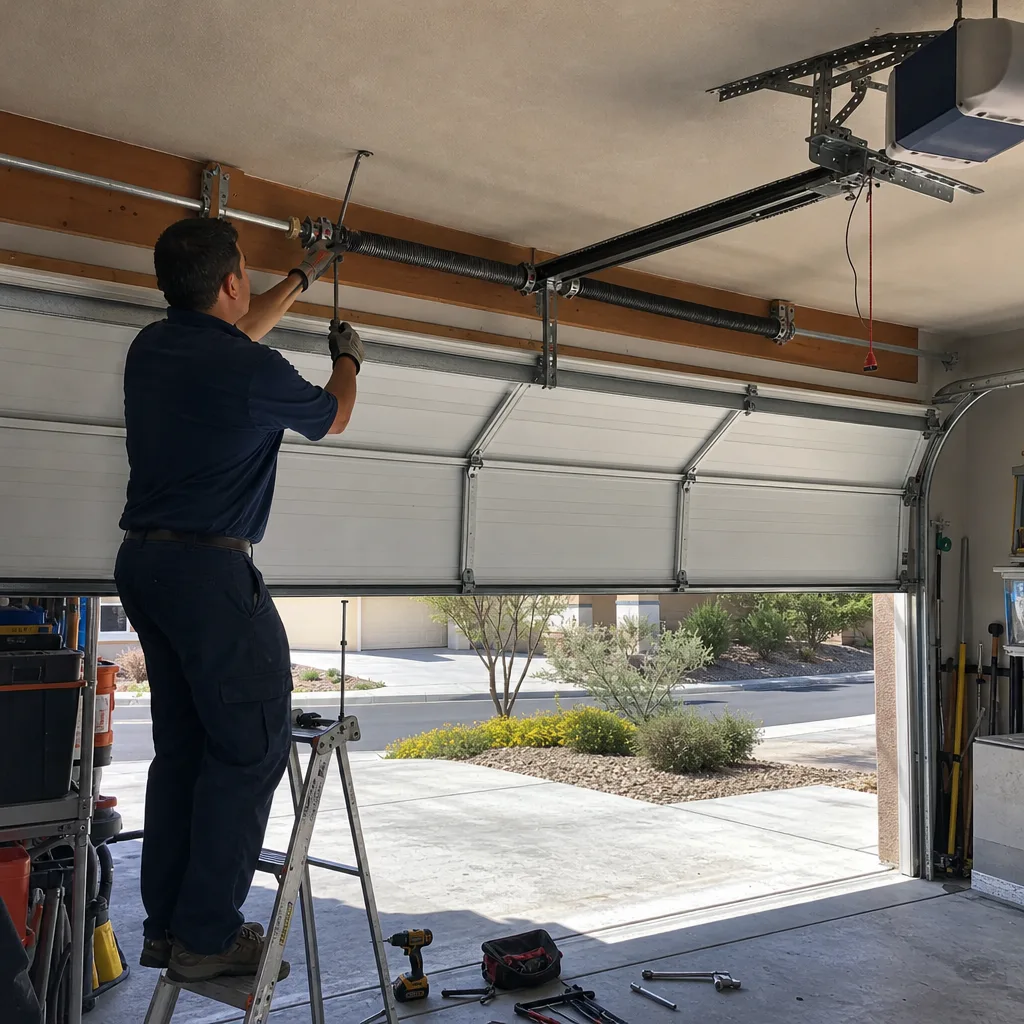
Full 25-point door and opener safety check with every visit - springs, cables, rollers, tracks, and your LiftMaster or Chamberlain opener included
You get a price before we start. It does not change when the pro arrives.
Get your free estimateGarage Door Opener Repair & Installation Warning Signs Every Homeowner Should Know
An opener that hesitates for two seconds before the door moves is not “getting old.” It’s showing a capacitor or start-winding fault that will strand a car in the garage without warning, usually within the next thirty operating cycles. We’ve watched homeowners in Summerlin talk themselves out of that first hesitation for months, then call us from the driveway with a car they can’t move. This guide sorts opener warning signs into two tiers: the ones you schedule service for within thirty days, and the ones that mean stop using the door today. By the end you’ll know which sounds, chain behaviors, sensor glitches, and drive-system wear point to a specific fault, what each usually costs, and how to document an intermittent problem so a technician doesn’t guess.
Quick Answer
Most garage door opener warning signs fall into two categories that get treated as one. Gradual signs (growing noise, slower travel, a sagging chain) mean the unit is approaching end-of-life or needs adjustment and should be serviced within thirty days. Safety-critical signs (the door reversing without reason, a spring-related bang followed by a door that won’t lift, a grinding that stops the door mid-travel) mean stop using the door until a technician inspects it. Reading the sign correctly is the difference between a $140 tune-up and a car trapped behind a dead opener.
Styles & brands we work with
- Raised-panel steel
- Carriage house
- Modern flush
- Full-view glass
- LiftMaster openers
- Chamberlain openers
Table of Contents
- Tier 1 vs. Tier 2: The Two-Category Framework
- The Five Sounds That Name a Specific Failure
- Visual Warning Signs on the Drive System
- Sensor Signs Homeowners Misread as Remote Problems
- Why Summerlin Conditions Accelerate Opener Wear
- How to Log an Intermittent Fault Before the Technician Arrives
- What Opener Repair Actually Costs (and Why the Quote Comes First)
- When to Repair the Opener and When to Replace It
 Before
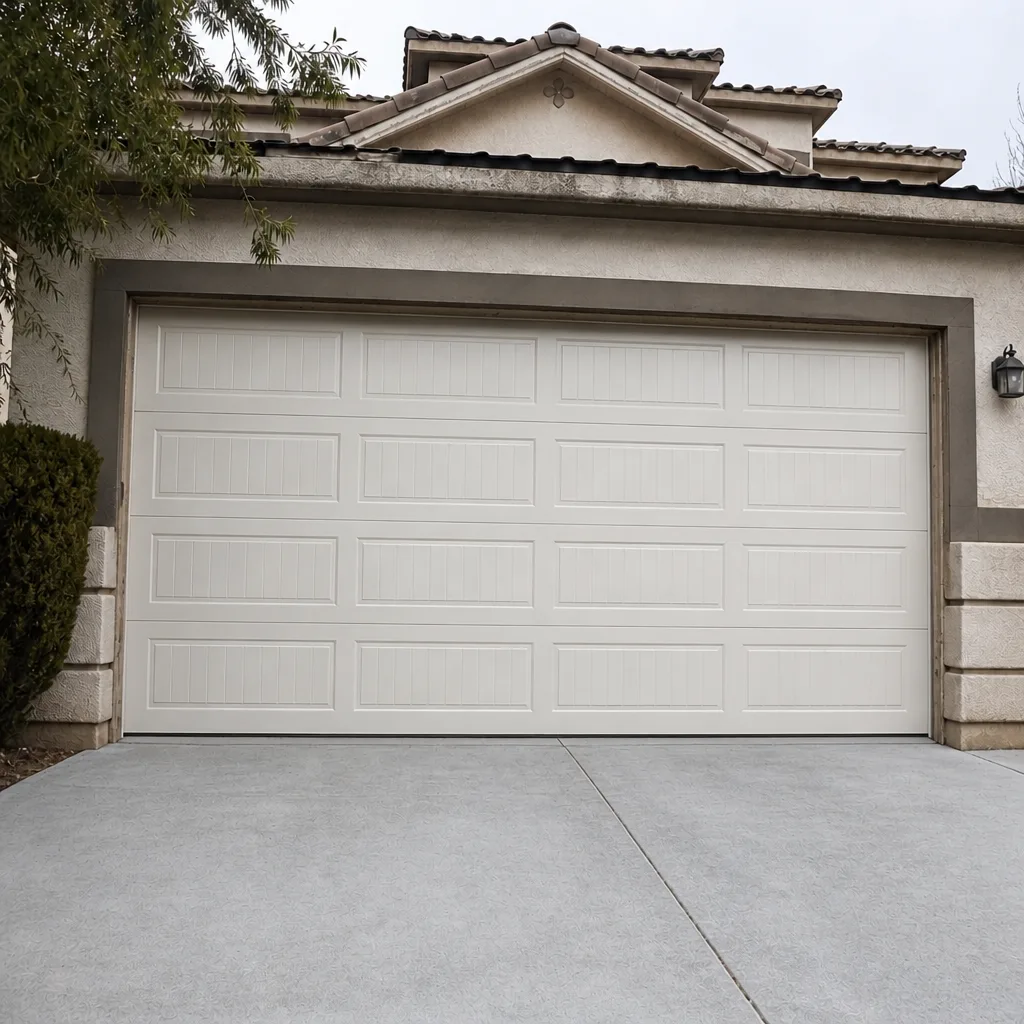 After
Tier 1 vs. Tier 2: The Two-Category Framework
Every opener fault belongs in one of two buckets, and the bucket decides your next move. The mistake we see most in Summerlin isn’t ignoring a symptom. It’s filing a Tier 2 safety fault under Tier 1 “schedule it soon” and continuing to run the door.
Tier 1, schedule service within thirty days. These are gradual or cosmetic. The door still opens and closes reliably, nobody is at risk, but the fault will worsen:
- A new rattle or hum that wasn’t there last month
- Travel speed that has visibly slowed (the door takes longer than it used to)
- Chain sag or visible drive-system wear with normal operation
- A remote with reduced range that still works from the driveway
- A light that flickers or fails while the opener otherwise works
Tier 2, stop using the door until inspected. These are immediate. Close the door by hand and leave it closed if you can do so safely:
- The door reverses on its own when the path is clear
- Grinding or a bang followed by a door that won’t lift at all
- The opener runs but the door doesn’t move (stripped drive gear)
- Visible cable damage, or a torsion spring gap you can see above the door
- The opener body is hot to the touch or smells burnt
Torsion springs and cables are under extreme tension and can cause serious injury if handled without training. Don’t try to adjust, lubricate, or remove them yourself. If any Tier 2 sign shows up, call us and we’ll tell you whether to keep the door closed or move the car out through another way. Our team answers live at (844) 797-3654.
The Five Sounds That Name a Specific Failure
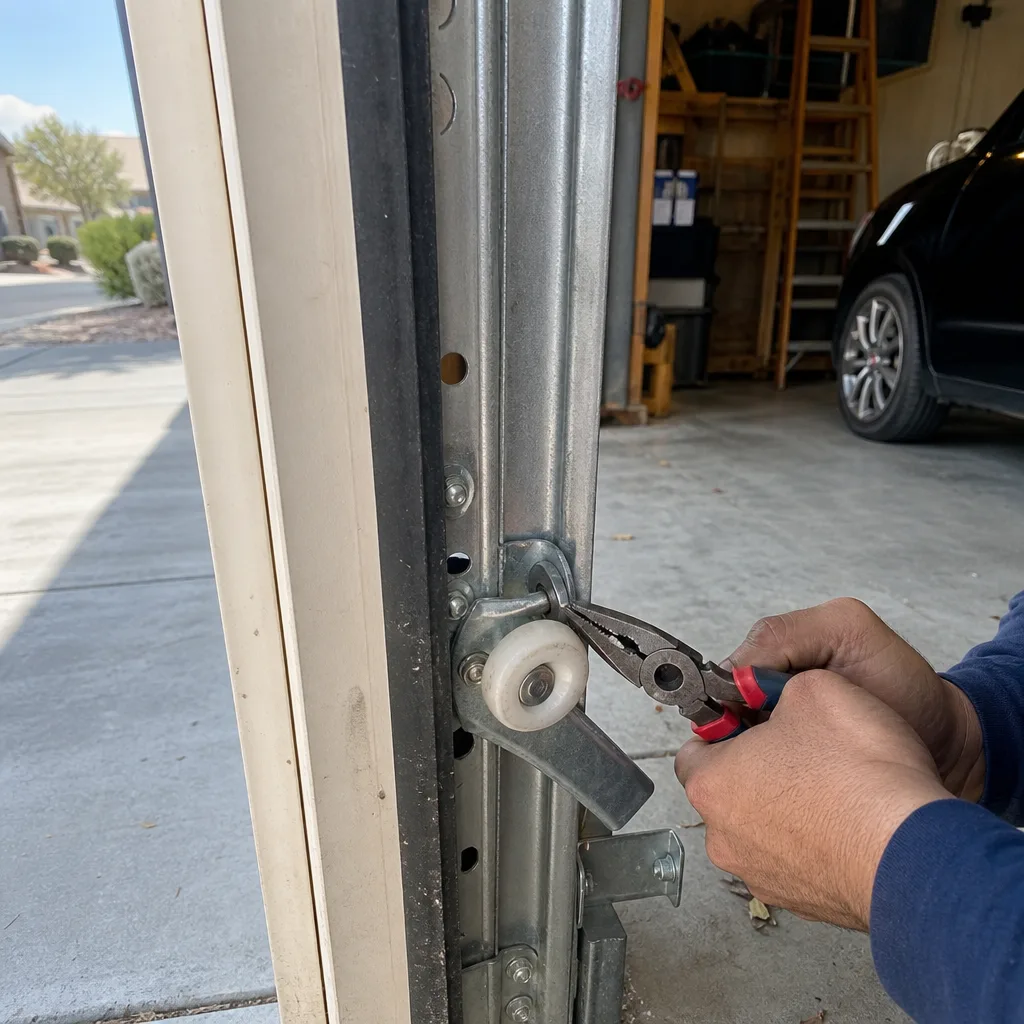
Sound is the most diagnostic thing your opener produces, and most homeowners describe it in feelings (“it sounds rough”) instead of mechanics. Here are the five we listen for, and what each one usually means. If you can name the sound, you’ve already done most of the diagnosis.
- Grinding: nylon gear wear. A continuous grinding during travel usually points to the nylon gear inside the opener wearing down against the drive. On several Chamberlain and Genie units this gear is the intentional wear part. It’s replaceable, and the repair is far cheaper than a new opener.
- Clicking with no movement: a stripped drive gear. One or two clicks, then nothing, while the motor hums. The drive gear has lost its teeth and can’t turn the screw or chain. This is a Tier 2 sign; the door won’t move until the gear is replaced.
- Rhythmic thumping: the chain jumping a sprocket. Thump-thump-thump in time with travel means the chain is loose enough to skip teeth on the sprocket. Left alone it can jam the door mid-cycle. On a chain-drive unit this is usually a tension adjustment.
- High-pitched whine: a dry trolley carriage. A squeal on the rail points to the trolley carriage (the piece that rides the rail and pulls the door) running dry. It’s a lubrication and adjustment item, not a motor problem, despite sounding like one.
- Intermittent buzzing: relay contact failure. A buzz that comes and goes, especially when you press the wall button, usually means a relay on the logic board has worn contacts. It’s the fault that strands a car because it works nine times and fails on the tenth.
Name the sound when you call and we can often pre-load the right part on the visit. Our technicians have up to 11 years of experience with these exact failure patterns, and the full range of opener service for every major brand lives on our Garage Door Opener Repair & Installation in Summerlin page.
Visual Warning Signs on the Drive System
You can catch half of these in thirty seconds with the door closed and the opener idle. Walk out, look at the rail, and check three things:
- Chain sag. Measure the gap between the chain and the rail near the middle. More than about half an inch below the rail means it’s loose and starting to skip. A taut chain with a slight droop is normal.
- Belt fraying at the trolley attachment. Look where the belt meets the trolley carriage. Frayed edges, spidering, or a strand lifting off the belt means the belt is failing. Belt-drive units run quiet, so fraying is often the first sign you get.
- Screw-drive lubricant turned black. On a screw-drive unit, pull the rail cover and look at the screw. Grease that has gone dark and gritty indicates metal-on-metal wear, not just accumulated dirt. A clean, re-greased screw and a fresh drive are cheaper than a motor that grinds itself down.
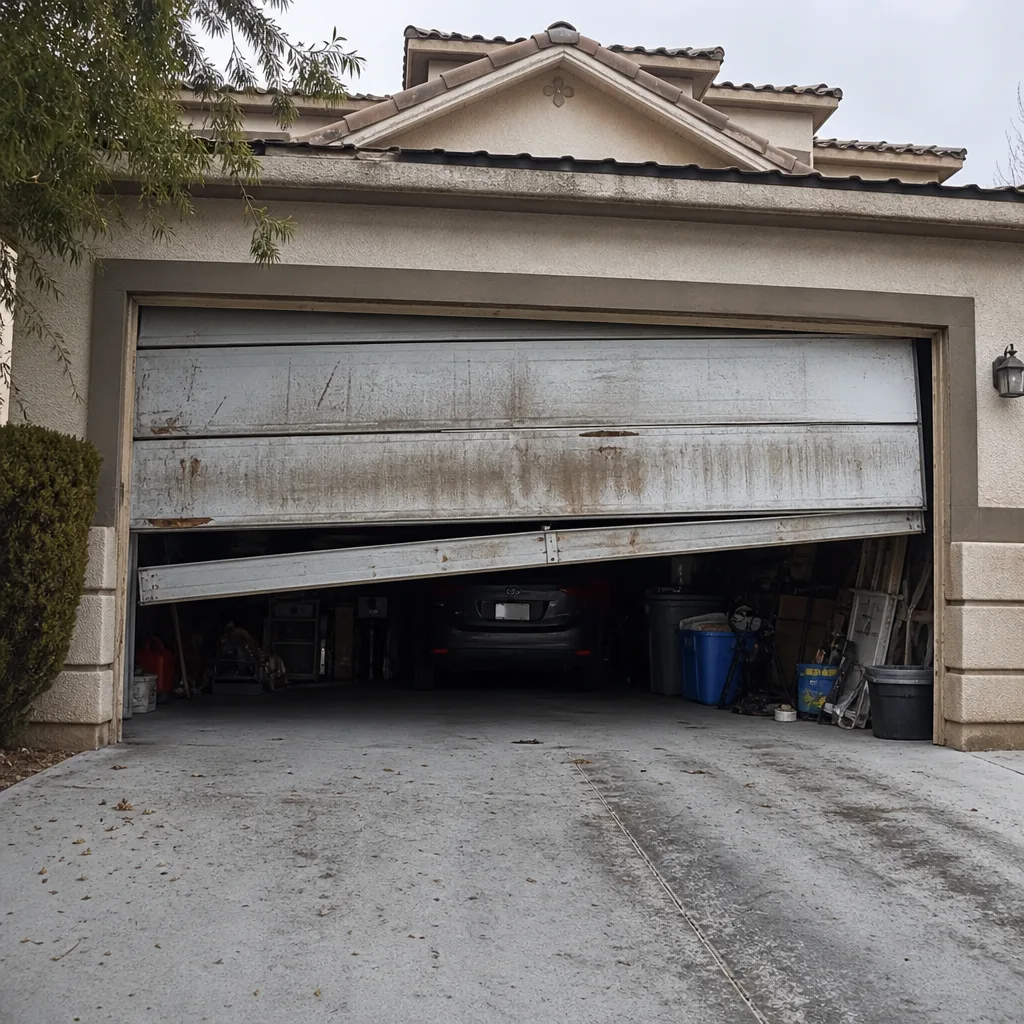
Forcing a door with visible drive damage is how a $150 adjustment becomes a full replacement. If you see fraying or a chain that’s clearly below the rail, treat it as Tier 1 but don’t keep cycling the door for mail checks and garbage runs in the meantime. Book the service and drive in and out through the front door until it’s sorted. If the door itself has started to warp or catch, that’s a separate repair, and we cover it on our Garage Door Repair in Summerlin page.
Sensor Signs Homeowners Misread as Remote Problems
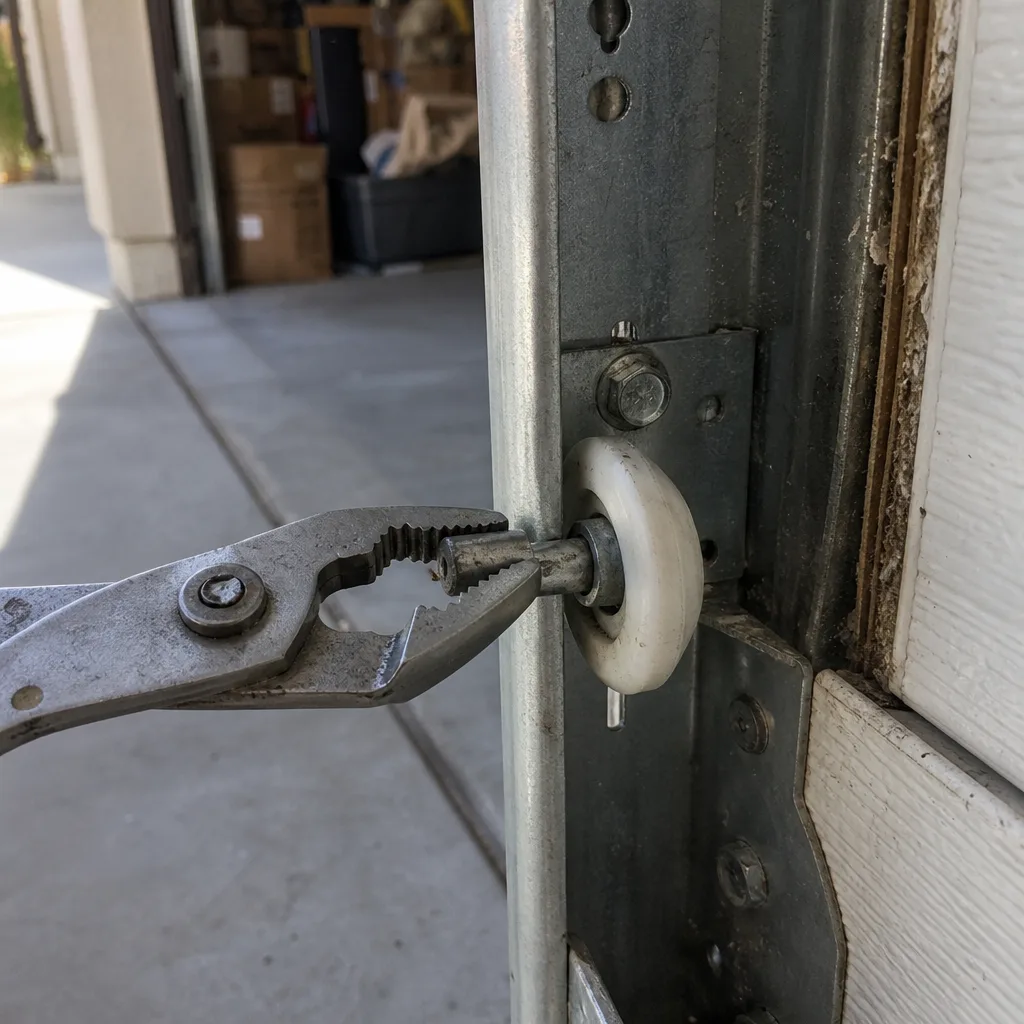
The photo-eye sensors (the two little lenses at the bottom of the tracks) send an invisible beam across the opening. When the beam breaks, the door reverses. That much is familiar. What trips people up is intermittent behavior that only shows up at certain times of the day.
The classic case: the door closes fine in the morning, then reverses or refuses to close in the late afternoon. Homeowners assume the remote, the logic board, or the opener itself is failing. In our experience this is almost always solar interference. Low late-day sun hits one photo-eye lens square-on, the receiver can’t tell the beam apart from the glare, and the door reads a phantom obstruction. The fix is a reposition, a sun shield, or a small adjustment. Solar interference is a $0 corrective versus roughly $150 to replace a logic board that was never the problem. On some days the door will even close fine once the sun moves off the lens, which is the tell that it’s an alignment issue, not a failing part.
Other sensor signs worth reading correctly:
- A steady light on one eye, a flickering light on the other usually means misalignment, not a dead sensor.
- Nothing works from any remote, but the wall button does points to the wall button or the sensor wiring, not the opener motor.
- The door stops and reverses a few feet off the floor is often the safety-reversal setting needing adjustment, not the sensors themselves.
Before you buy a part or a new opener, rule out the sensors. That’s the cheapest diagnostic in the trade and the one homeowners skip most.
Why Summerlin Conditions Accelerate Opener Wear
Openers here fail differently than they do in a wetter climate. Summerlin’s dry heat and the fine desert dust that comes with it act on the drive system year-round. The dry air pulls lubrication out of trolley carriages and chain rails faster than a coastal climate would, so a high-pitched whine shows up sooner and a screw-drive needs re-greasing more often. The dust that settles inside garages works into the chain and screw, which is why a chain that felt fine in spring can be skipping sprockets by late summer. Those are the gradual, Tier 1 faults we see most in Summerlin, and they’re cheap when caught early. Our technicians check drive lubrication and chain tension on every visit because that’s the wear pattern here.
The other Summerlin issue is heat on the opener unit itself. Openers mounted in a garage that bakes all afternoon run hotter, and heat accelerates the electronic faults: logic board contact wear, capacitor failures, and the intermittent buzzing relay. When a unit that’s only a few years old acts up in July and August, we check heat and voltage before we assume it’s simply worn out. The climate isn’t the problem. It’s a tuning issue. The rest of our service lives at our Servo Garage Doors Summerlin home page.
How to Log an Intermittent Fault Before the Technician Arrives
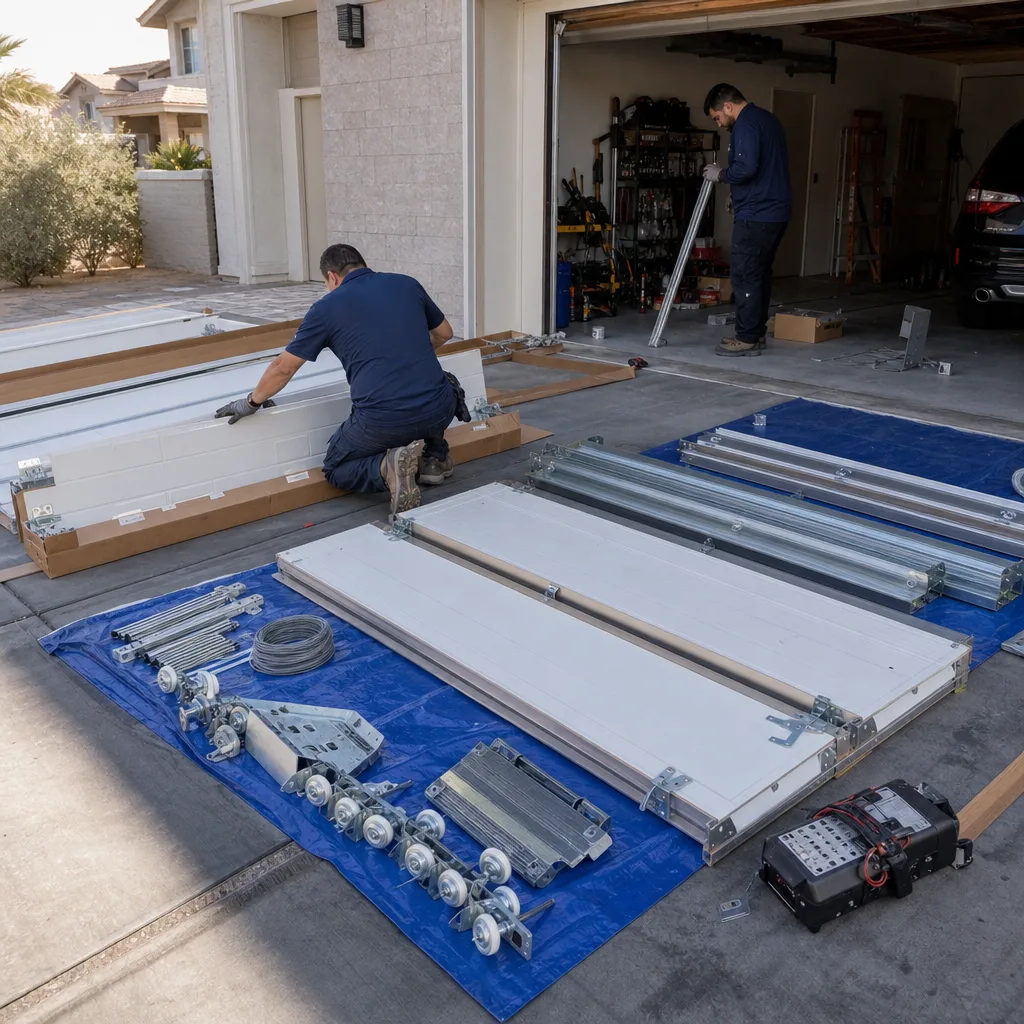
Intermittent faults are the hardest to diagnose because the technician may arrive on a good day and find nothing. Every technician will tell you they’d rather not be guessing. You can prevent that with a simple symptom log. Write it down for a week before service and you’ll hand us diagnostic information a verbal description can’t match.
- Date and time. Note when each symptom appeared.
- Weather and time of day. Late-afternoon sun? A cold morning? That tells us whether it’s solar interference or a temperature-sensitive part.
- Which specific behavior. “Reversed halfway up” is useful. “Acting weird” is not. Write exactly what happened.
- Wet or dry garage. Opener mounting and rail movement can be affected by dampness after irrigation or a rare rain.
- What you pressed and what responded. Which remote, the wall button, or the keypad. That narrows down whether it’s a remote, receiver, or logic board fault.
The payoff is real. A good log prevents a technician from replacing a part that wasn’t active during the visit, because a part that works on the day of the visit can be tested and confirmed rather than swapped on a hunch. It’s the same principle behind the photo record we leave on every visit: what was found gets documented, and what was fixed gets shown to you.
What Opener Repair Actually Costs (and Why the Quote Comes First)
Homeowners research before they call, so here are the real price ranges we quote in Summerlin. These are flat, written prices delivered before any work starts, per our Clause 1 policy of written price and written scope first. Numbers beat “call for a quote,” which tells you nothing.
| Service | Typical Range |
|---|---|
| Diagnostic visit | Often rolled into the repair price; ask before you book |
| Chain tension / trolley carriage service | $120 – $220 |
| Trolley carriage or drive gear replacement | $180 – $320 |
| Logic board replacement | $200 – $380 |
| Capacitor or start-winding repair | $150 – $280 |
| Photo-eye sensor replacement / realignment | $90 – $200 |
| New belt-drive opener installed | $450 – $850 |
| New chain-drive opener installed | $380 – $700 |
Ranges exist because a safety-sensor-only fault and a logic board fault that presents the same way don’t cost the same. You’ll get the exact figure after the technician photographs the failed part and shows it to you. No one quotes a replacement before they’ve seen the fault. If you’ve already been given a written estimate from another company and it seems high, bring the paperwork and we’ll give you a free second opinion. No coupon needed.
The price is quoted and agreed before any work starts. That answers the question most homeowners ask after the diagnosis: will the invoice be bigger than the quote? Not on a Servo job. The written price is the price. If something unforeseen turns up mid-job, the technician stops, shows you, and you decide before anything else is touched.
When to Repair the Opener and When to Replace It
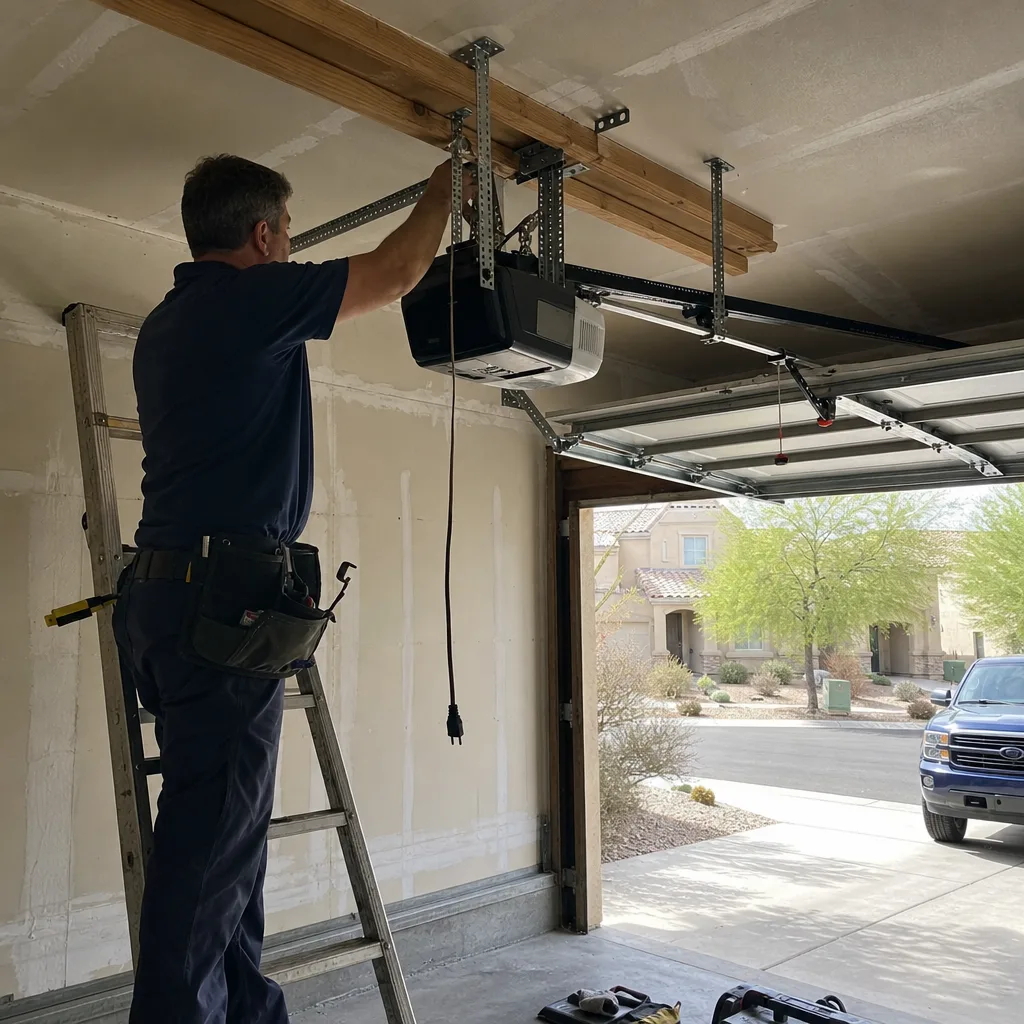
Age is the wrong question. The real question is whether the fault is a wear part or a core failure. Nylon gears, drive gears, trolley carriages, capacitors, and sensors are wear parts. Replacing one on a solid motor is usually the right call and costs a fraction of a new unit. On a unit with a failed logic board, a burnt motor, or two or more core faults in a year, replacement makes more financial sense than a series of repairs.
A few rules of thumb we use in Summerlin:
- The unit is under about ten years old, one part has failed, and the motor runs clean: repair.
- The door travels and the opener just won’t respond: check sensors and remotes first, repair, replace the logic board only if it tests bad.
- The motor is noisy, old, and needs a second repair within twelve months: replace.
- The opening is being enlarged, the door is being changed, or the opener is a builder-grade unit from 2015 or earlier that’s heat-stressed from a Summerlin garage: replace, and pair it with the right door. Our Garage Door Installation in Summerlin page covers how that works.
A new opener should match the door’s weight and cycle count. When you replace, we service all major brands (Chamberlain, Genie, Clopay, Amarr among them), and we’ll measure the door and quote in writing. Everything is quoted, ordered, and scheduled; it’s not same-day work, and no one should promise you otherwise.
Common Mistakes to Avoid
- Treating a Tier 2 fault as a Tier 1 tune-up. A door that reverses on its own or won’t lift after a bang is a stop-using item, not a “get to it next month” item. Running it is how a cheap repair becomes a stranded-car callout.
- Buying a logic board before ruling out the sensors. Late-day reversing is almost always solar interference on a photo-eye. A board replacement won’t fix sun glare.
- Forcing a door with a stripped drive gear. If the opener clicks and nothing moves, don’t keep pressing the button waiting for it to catch. You’re grinding the gear further and adding to the repair bill.
- Lubricating the chain and calling it maintenance. A dry trolley carriage and a sagging chain are separate faults. Grease on a loose chain that’s jumping a sprocket doesn’t fix the tension.
- Skipping the symptom log on an intermittent fault. Arrive at the visit with nothing written down and the technician arrives on a good day with nothing to test. The log is what makes the diagnosis land.
- Accepting a verbal price. In a Summerlin garage with the opener on the wall, a verbal “probably around” turns into a different number at the invoice. Get the flat, written scope first.
- Ignoring the heat-stressed unit in July. A unit that acts up only in the hottest weeks is telling you about an electronic wear issue. Waiting until it fully fails usually means a callout at the worst time.
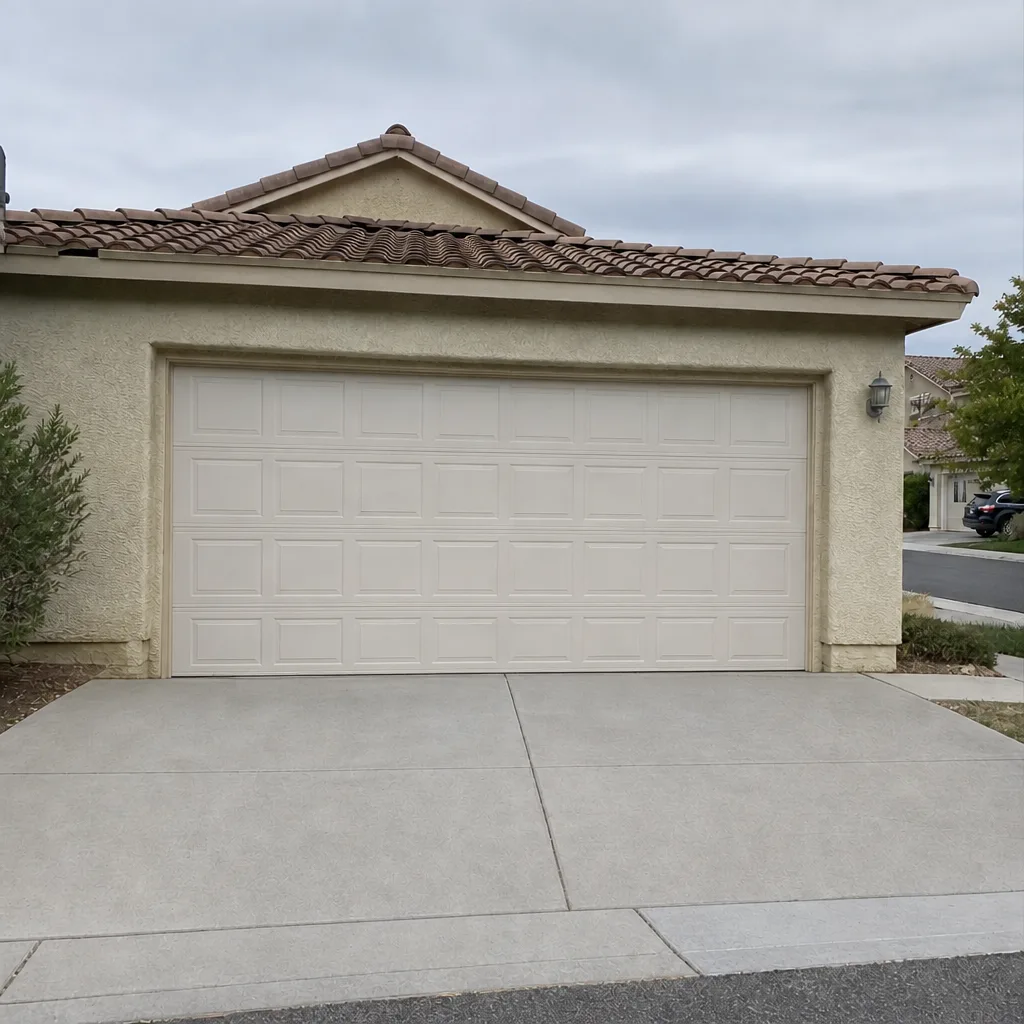
See the difference
BeforeAfter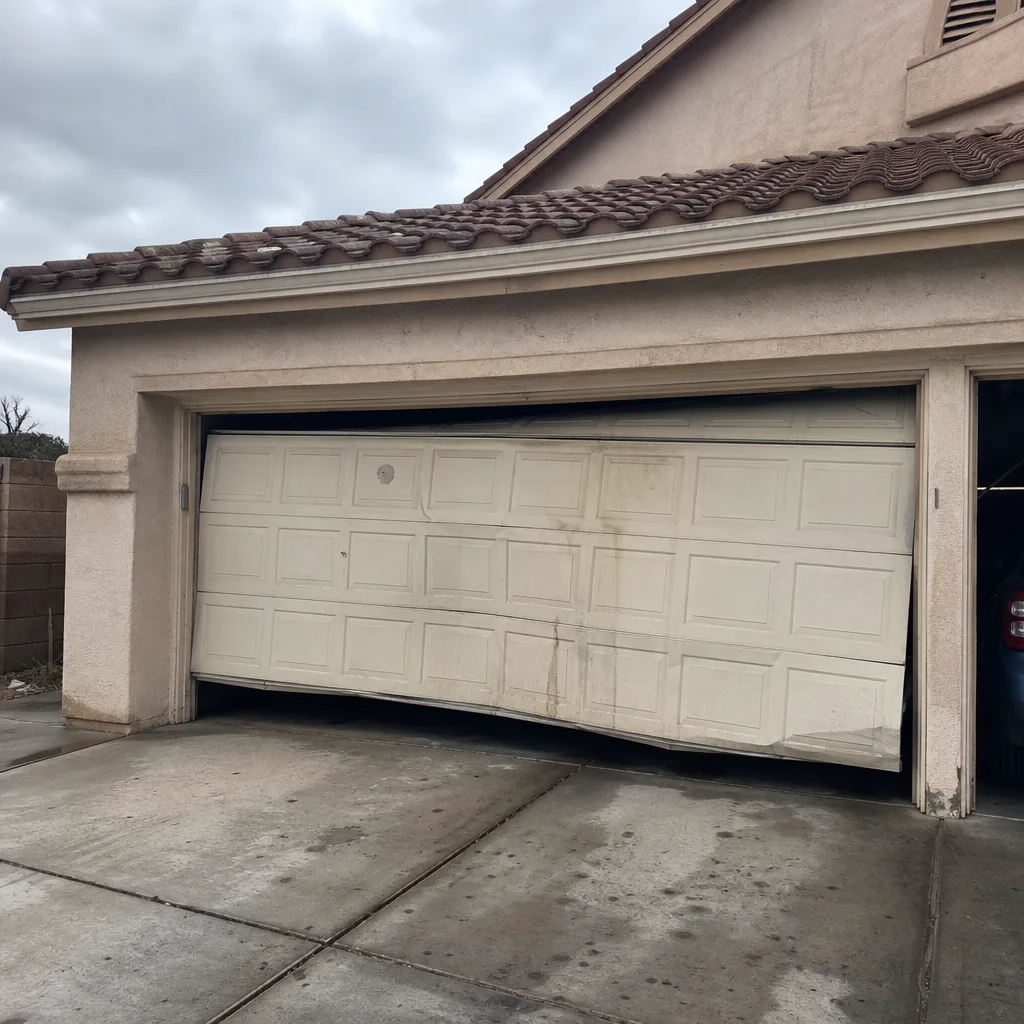 Before
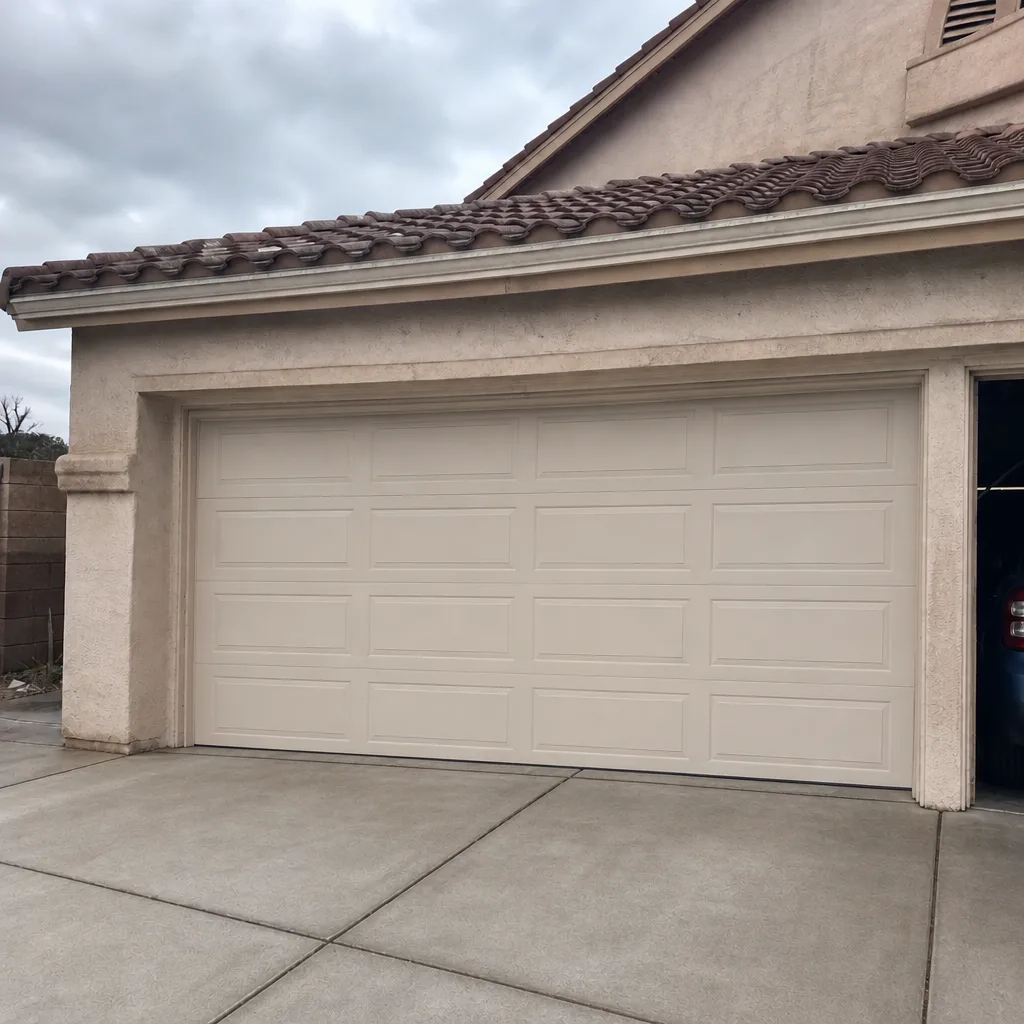 After
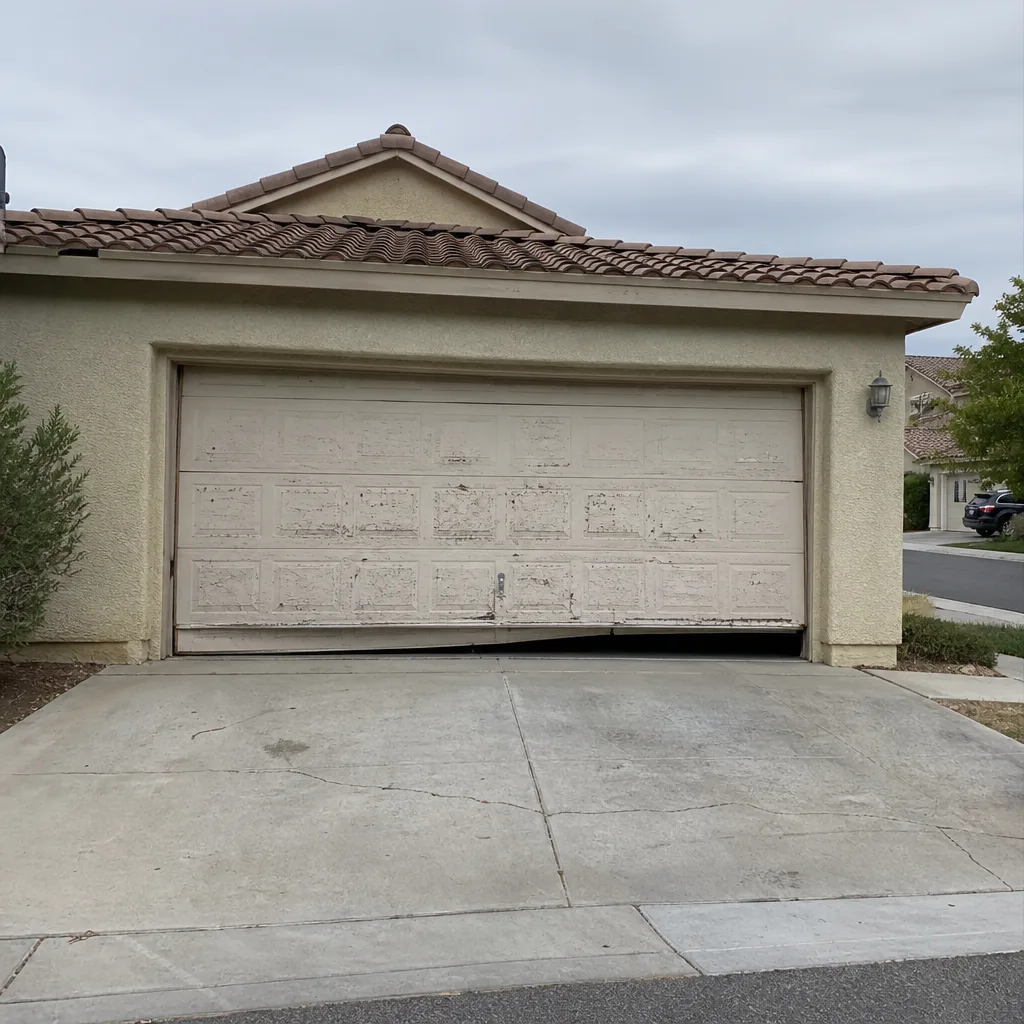 Before
 After
When to Call a Professional
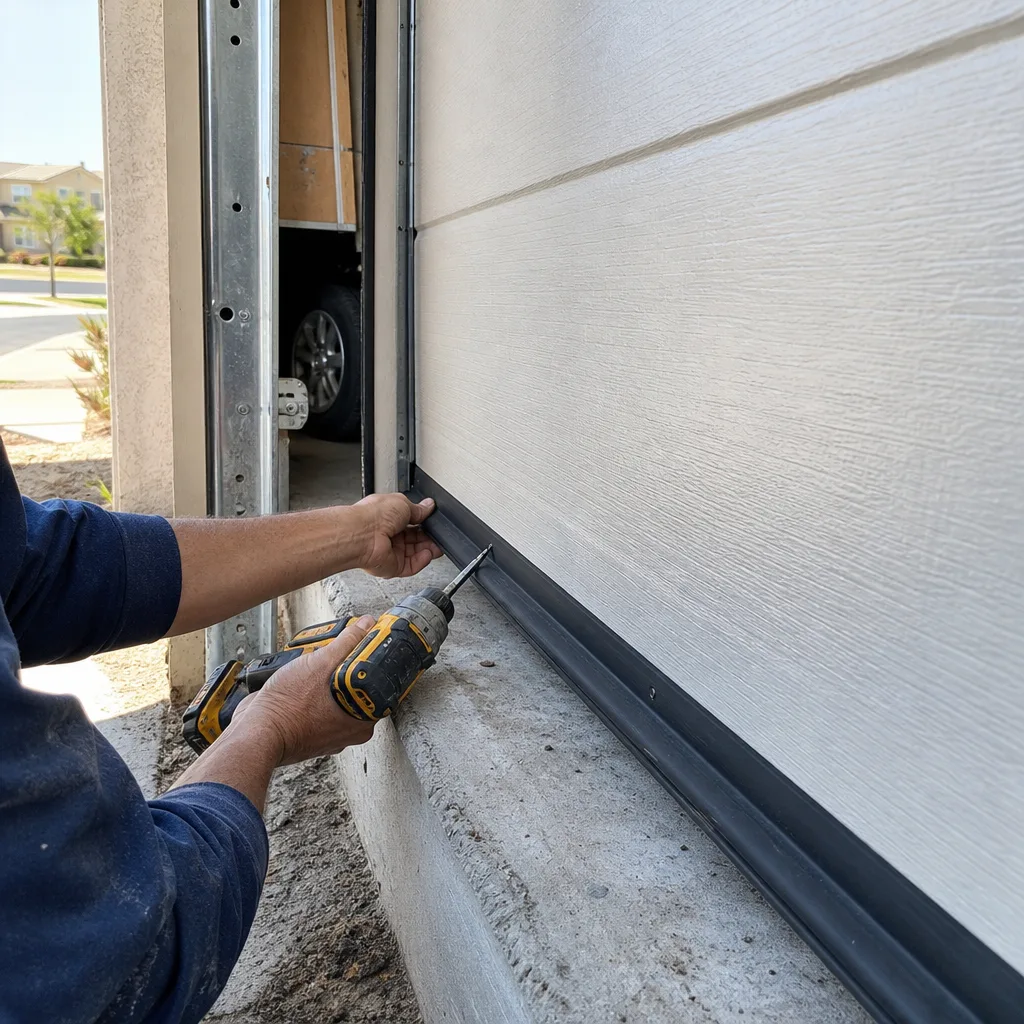
Call us when a Tier 2 sign appears, when the opener hesitates, clicks, or buzzes, when the door reverses for no clear reason, or when you’ve hit the end of a symptom log and still don’t know which part is failing. Don’t attempt spring, cable, or track work yourself. Torsion springs and cables are under extreme tension and can cause serious injury if they let go. A trained technician with the right tools is the safe path, and the cost of an inspection is far less than the risk. If you have a written estimate from another company, bring it: our free second opinion needs no coupon, and we’ll compare it line by line against what we find. Servo Garage Doors Summerlin offers free estimates in Summerlin, with live phone coverage at any hour and a real person answering, not a recording. Call (844) 797-3654.
Frequently Asked Questions
The earliest sign is usually a hesitation before the door moves, followed by new sounds (grinding, clicking, thumping, whining, or buzzing), slower travel, chain sag beyond half an inch, and intermittent reversing. Get the failure documented and ranked by tier before it strands a car. Call (844) 797-3654 for an exact quote (estimates are free).
Often we can narrow it down to two or three parts. If you can name the sound and whether the door moves at all, that’s most of the diagnosis. Grinding on travel points to the nylon gear; clicking with no movement points to the drive gear; thumping in time with travel points to the chain. The exact part is confirmed by photographing it before anyone quotes a replacement.
Probably not. Late-day sun hitting a photo-eye lens is one of the most common false alarms; the glare mimics an obstruction and the door reverses. It’s a realignment fix, not a new logic board. Call (844) 797-3654 and we’ll confirm it before you buy a part.
No. Estimates are free, and you’ll get a flat, written price and written scope before any work starts. The price doesn’t change once the technician is in the garage unless you approve a written change. Call us for the exact number.
Most single-part repairs land between $120 and $380 depending on the part: chain and carriage service around $120 – $220, a drive gear or carriage $180 – $320, and a logic board $200 – $380. New opener installation runs $380 – $850. You’ll get the exact figure in writing before work begins.
Yes. Servo Garage Doors Summerlin operates as an independently owned and operated business under The Haven Standard, with its own license and insurance, and our technicians are background-checked. Every visit ends with a documented photo record of what was found and what was done. Call (844) 797-3654 and ask for the details up front.
The Bottom Line
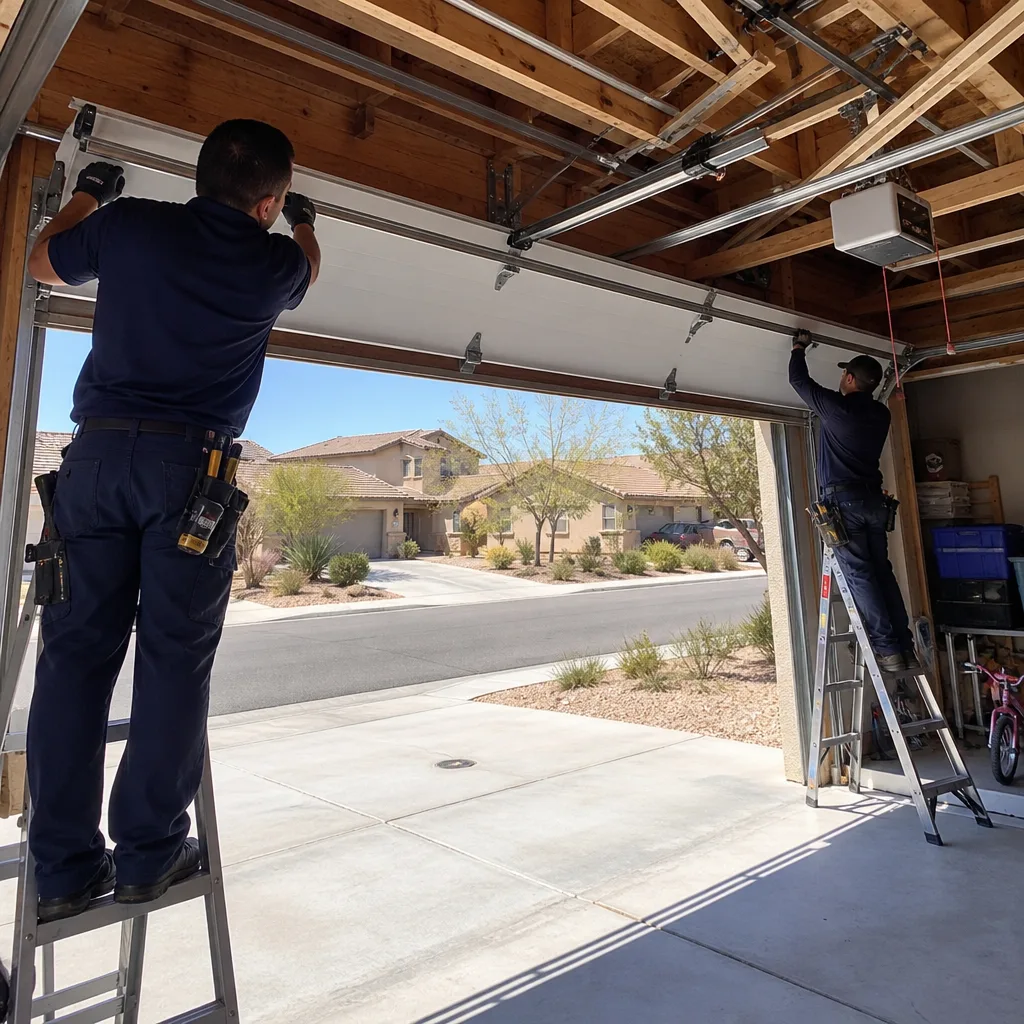
Opener warning signs are a decision framework, not a symptom list. Sort every symptom into Tier 1 (schedule service within thirty days) or Tier 2 (stop using the door until inspected). Name the sound so the fault points to a part. Check chain sag, belt fraying, and screw-drive grease with the door closed and the opener idle. Rule out solar interference before you suspect the logic board. Log an intermittent fault with date, weather, and exact behavior so the technician tests the part instead of swapping on a hunch. That’s the same principle we work to every day in Summerlin: name the failed part, show it to you, and hand over the documentation when we leave.
Written by the team at Servo Garage Doors Summerlin.
Ready to stop guessing about your opener? Call (844) 797-3654 for a free estimate. You’ll hear how it works, get a flat written price before any work starts, and know exactly what was found before you decide. Emergency calls are answered by a real person, day or night.