
Last updated November 17, 2026
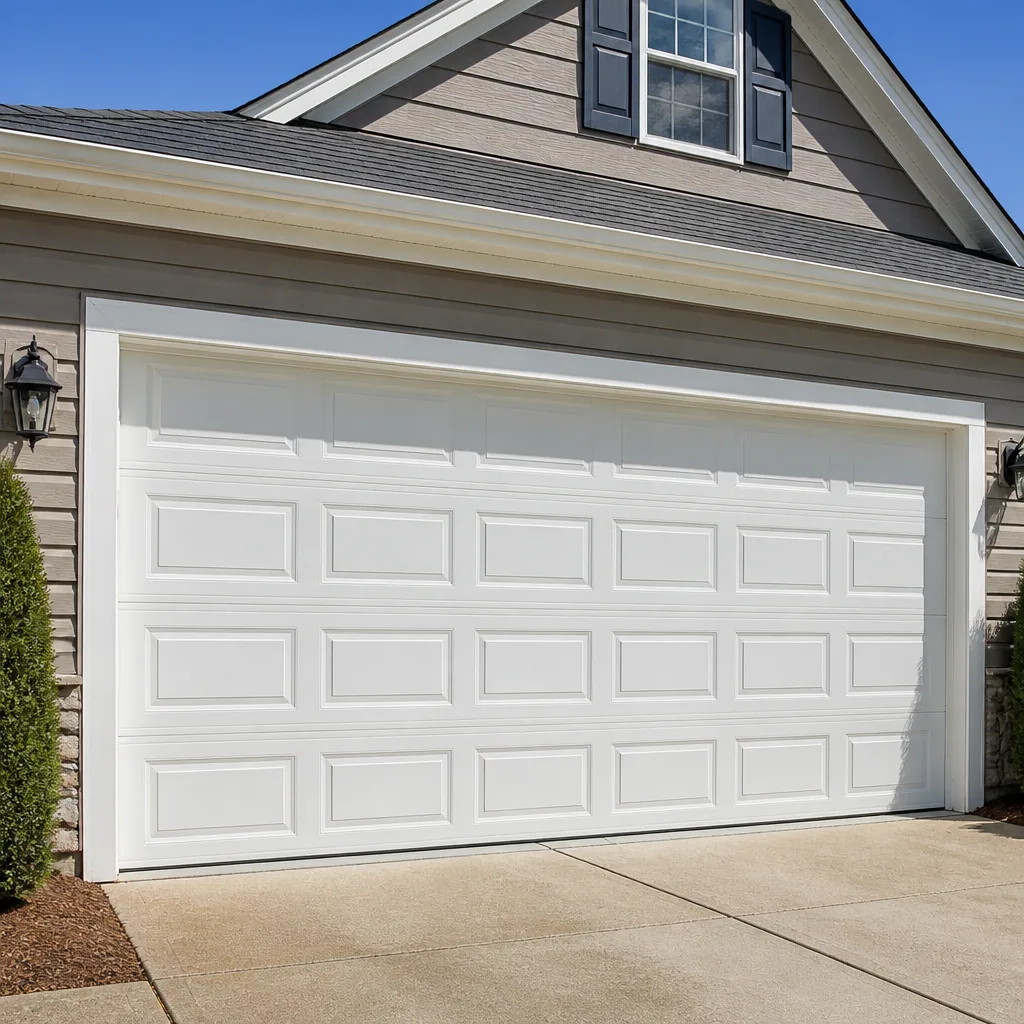 Raised-panel steel
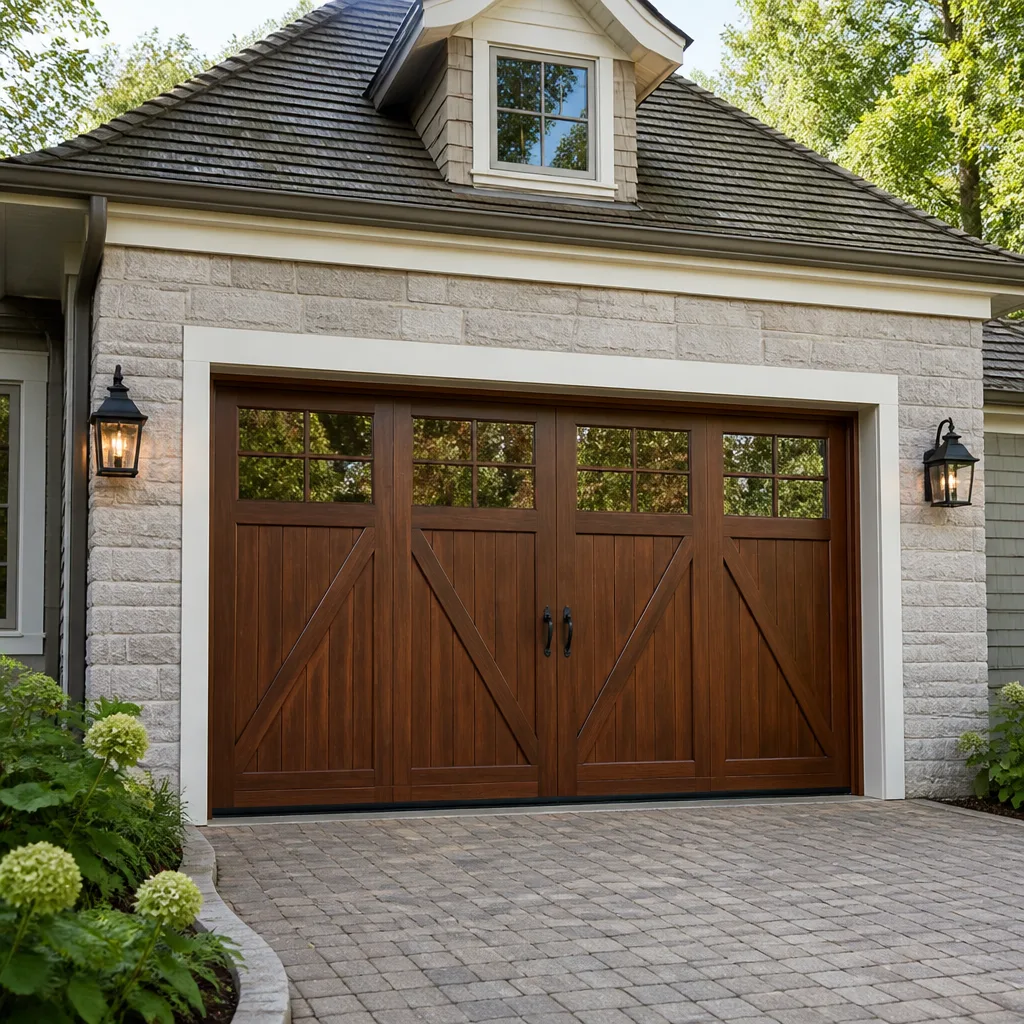 Carriage house
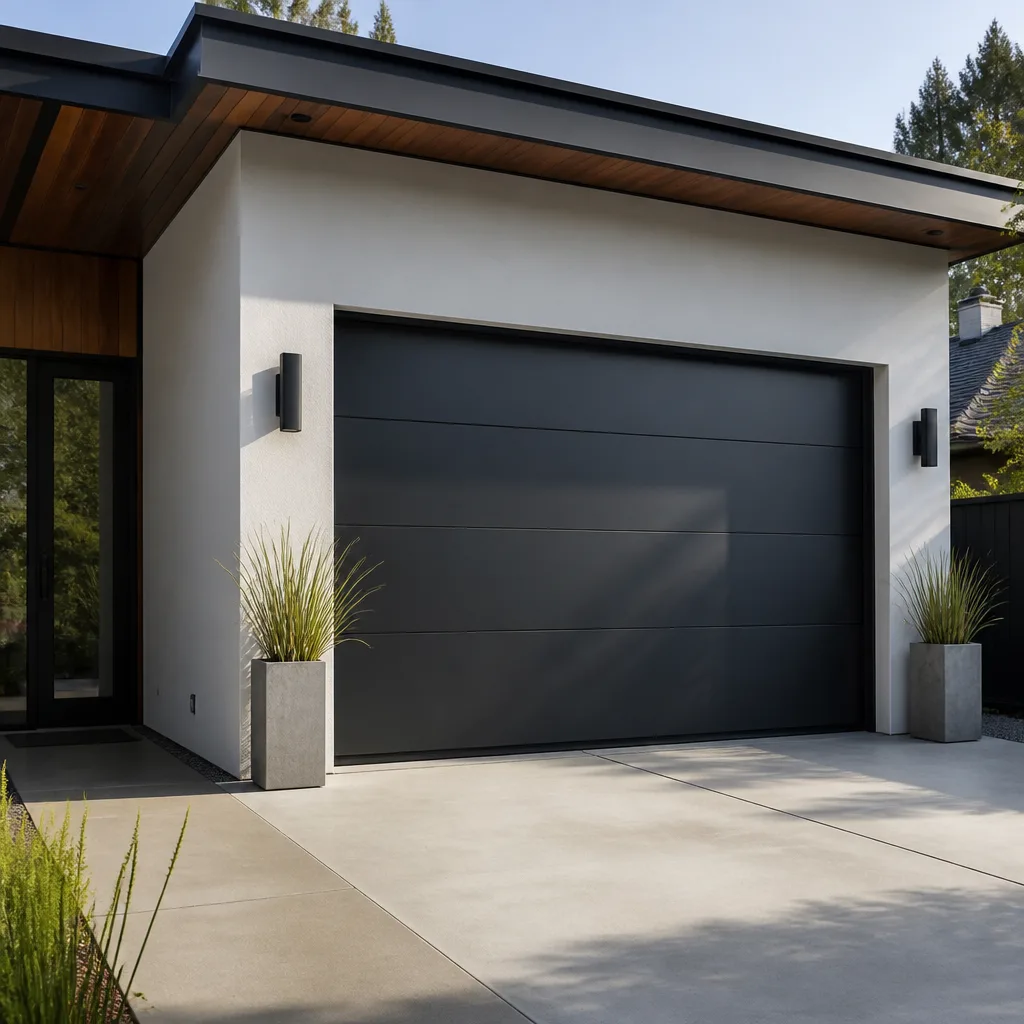 Modern flush
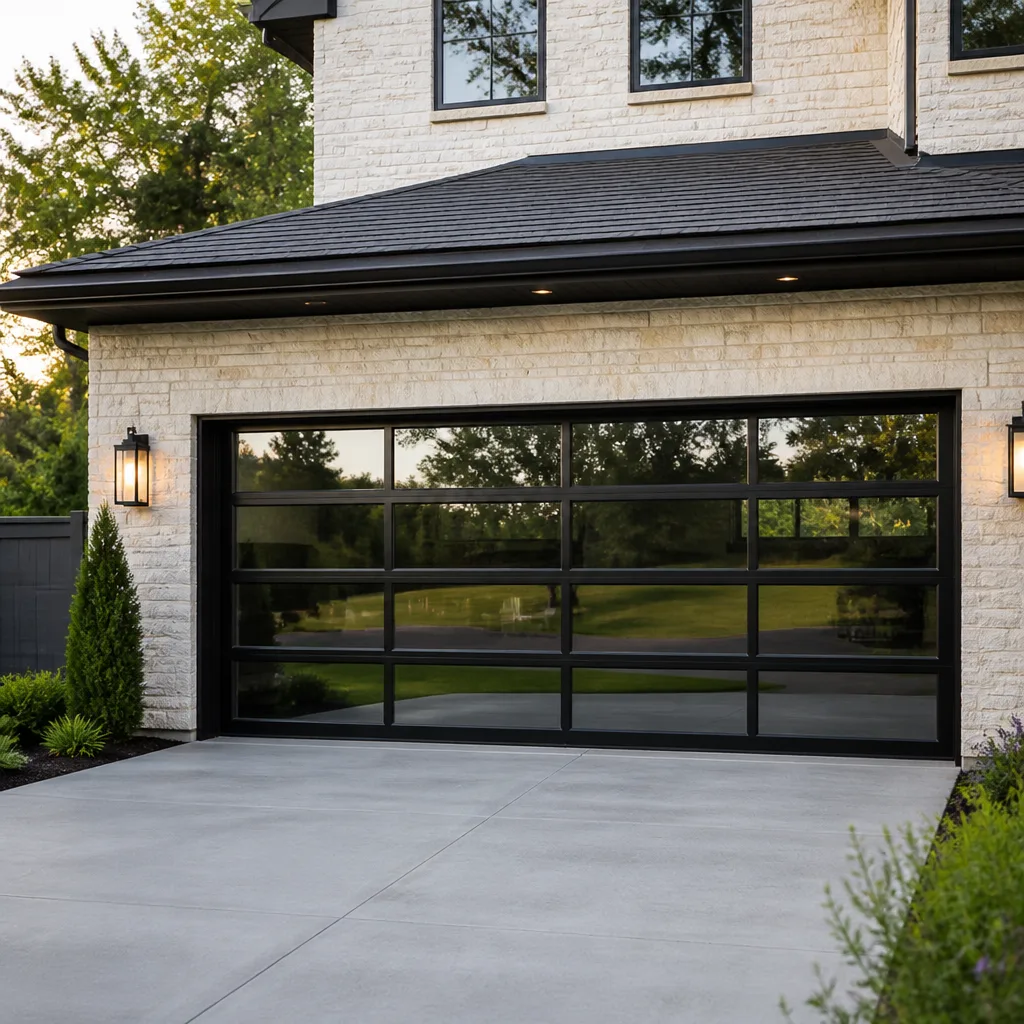 Full-view glass
 LiftMaster openers
 Chamberlain openers
Full 25-point door and opener safety check with every visit - springs, cables, rollers, tracks, and your LiftMaster or Chamberlain opener included
You get a price before we start. It does not change when the pro arrives.
Get your free estimateGarage Door Repair Maintenance Schedule: What to Do and When
Most national maintenance guides tell you to lubricate your garage door every six months. In Summerlin, that advice breaks down fast. Oil-based lubricants applied in April can oxidize and gum up your rollers by July, turning a smooth track into a sticky grinding mess. The real schedule here isn’t built around the calendar. It’s built around cumulative heat exposure and cycle counts, because a door that opens four times a day in 115°F June heat ages far faster than the same door in December.
This guide gives you a Summerlin-specific maintenance schedule, a honest way to estimate your door’s cycle count, a printable self-inspection checklist, and the clear line between what you can safely handle and what should never be on a DIY list.
Quick Answer
In Summerlin, schedule a full garage door inspection in March or April (before the heat sets in) and again in October (after it breaks). Lubricate with silicone spray, not oil-based lubricant, every three months during summer. Count your door cycles, and call a professional for a spring inspection once you pass roughly 7,000 to 10,000 cycles or notice any spring gap.
Styles & brands we work with
- Raised-panel steel
- Carriage house
- Modern flush
- Full-view glass
- LiftMaster openers
- Chamberlain openers
Table of Contents
- Why a Calendar-Based Schedule Fails in Summerlin
- The Pre-Summer Window: March and April
- The Post-Summer Window: October
- Choosing the Right Lubricant for 100°F+ Heat
- How to Estimate Your Door’s Cycle Count
- Your Homeowner Self-Inspection Checklist
- The One Task You Should Never DIY
- Common Mistakes to Avoid
 Before
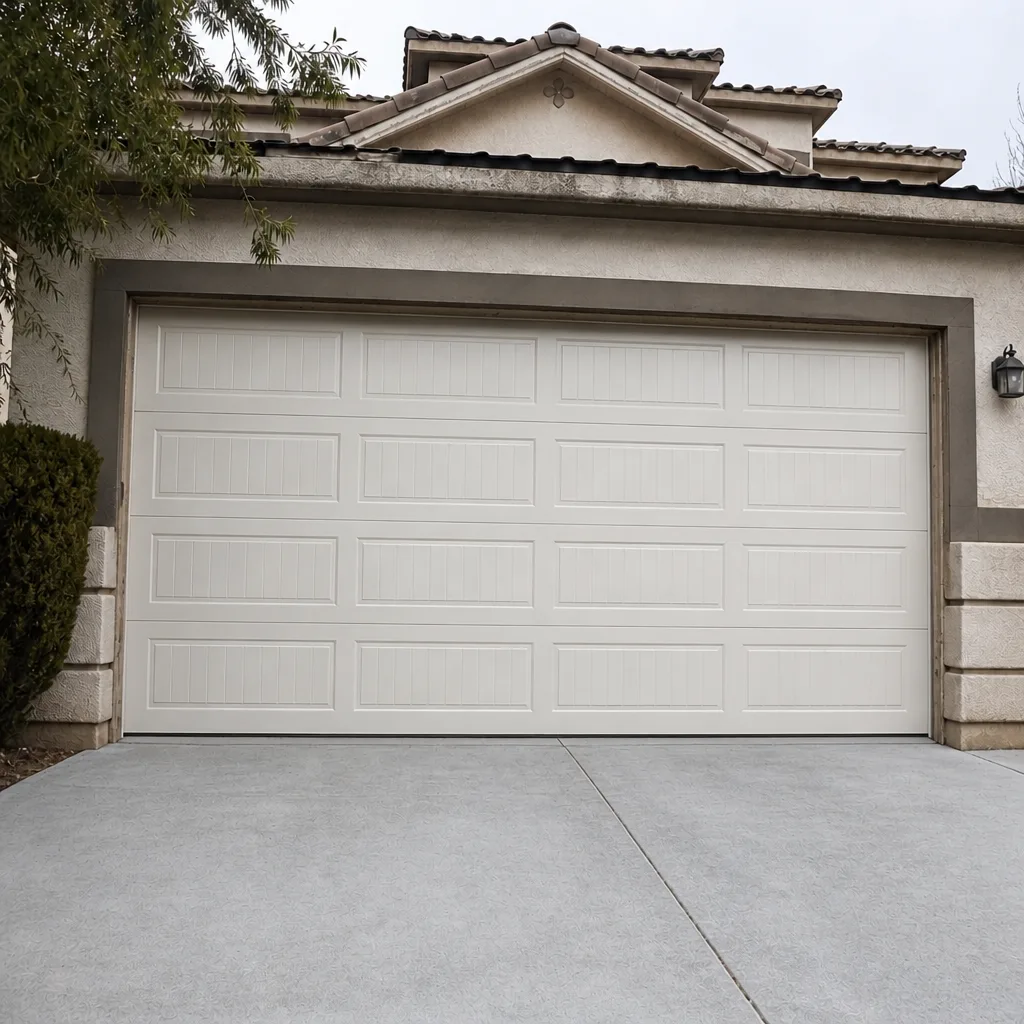 After
Why a Calendar-Based Schedule Fails in Summerlin
A garage door is a mechanical system, and mechanical systems wear out based on use and environment, not the date. Summerlin sits in the Mojave Desert, where summer highs regularly hit 110°F to 115°F and garages without cooling can climb even higher. That heat does three things competitors’ generic guides ignore: it thins and migrates lubricant off moving parts, it expands metal components so tolerances tighten, and it degrades nylon rollers faster than cold-weather climates ever will.
Consider two identical doors. One homeowner in The Ridges uses their door four times a day. Another in Red Rock Country Club uses theirs twice a day. By August, the first door has cycled roughly twice as much and cooked through a full summer of heat. Same door, same neighborhood, different wear. A “check it every six months” rule treats them identically and misses the failure before it happens.
That’s why our technicians in Summerlin work from intervals tied to heat and cycles. Our technicians have up to 11 years of experience reading exactly these patterns, and the pattern that shows up most in Summerlin is spring fatigue that peaks in late summer, not winter.
The Pre-Summer Window: March and April
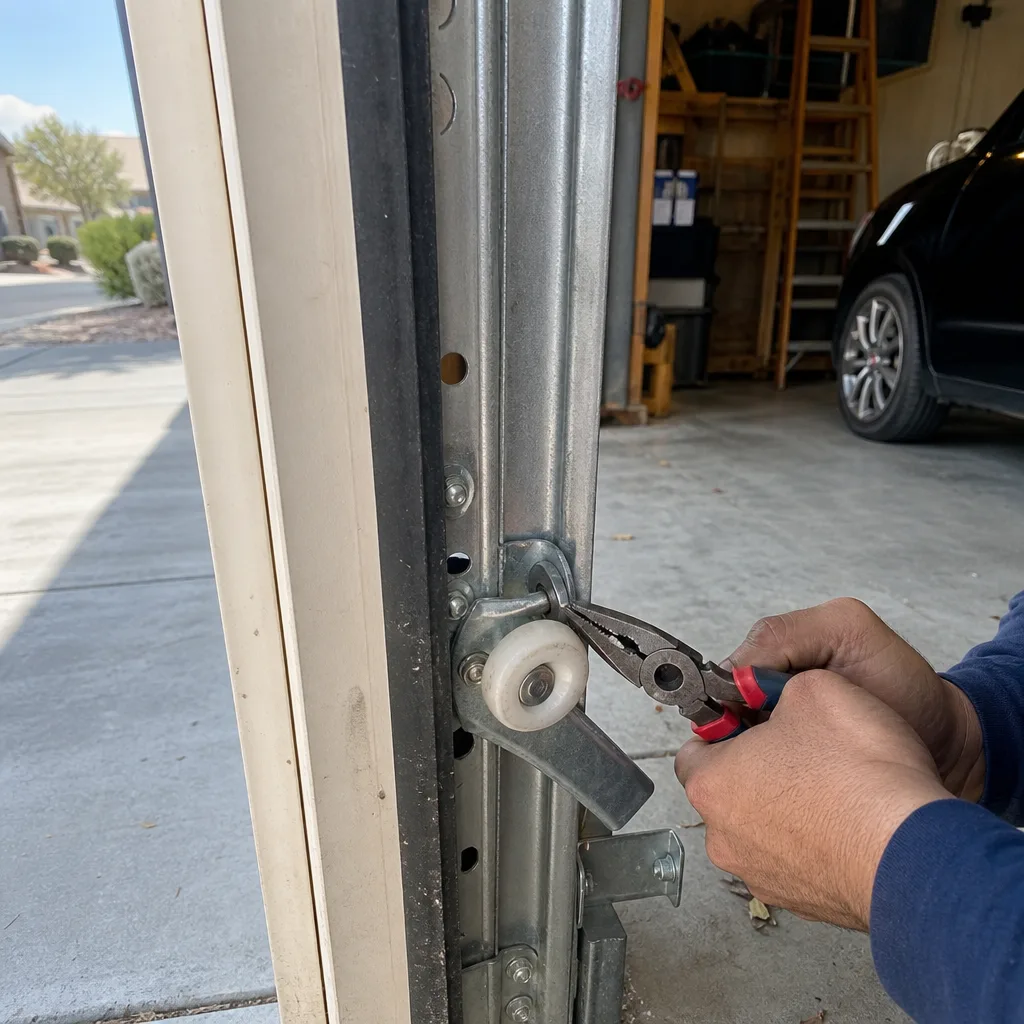
The single highest-value service moment in Summerlin is late March through April, before the first sustained heat. This is when you inspect everything the summer will stress. A door that passes inspection in April usually survives to October without incident; a door that fails in July likely had a warning sign in April that nobody caught.
Here’s what our pre-summer inspection covers:
- Balance test: Disconnect the opener (pull the release handle) and lift the door by hand to halfway. It should hold there with little effort. If it drops or rises on its own, the springs are out of balance.
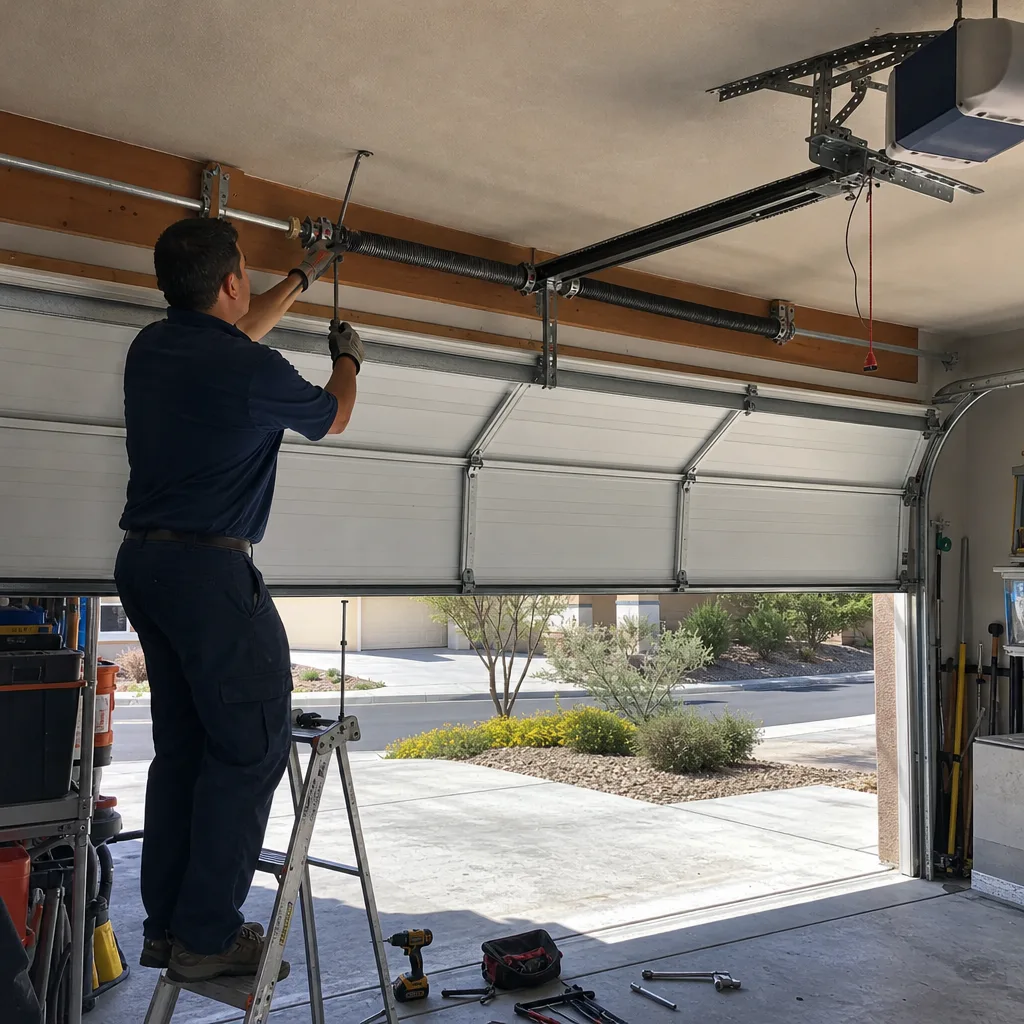
- Spring condition: Look at the torsion spring above the door. Any visible gap in the coil indicates a fracture, even a partial one.
- Roller and hinge wear: Worn nylon rollers develop flat spots; steel rollers loosen in their stems. Both get worse with heat.
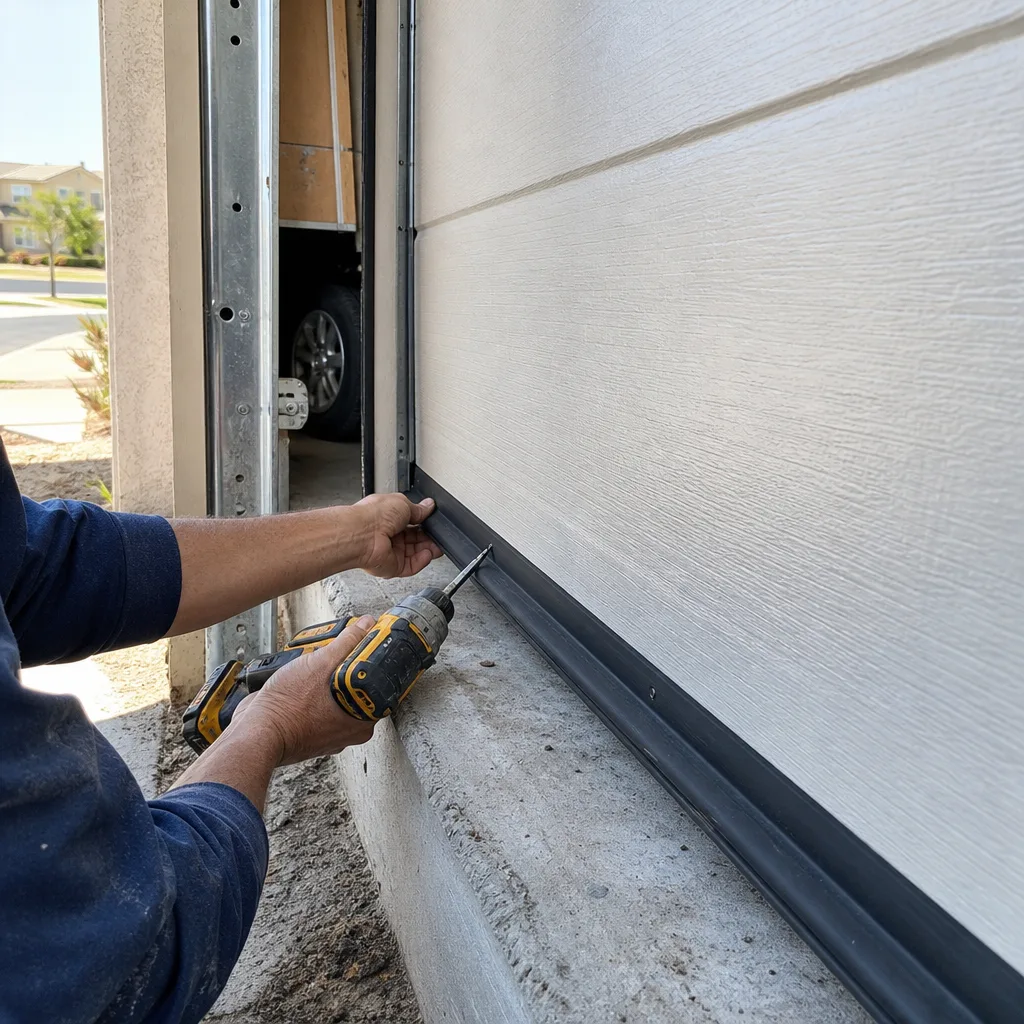
- Weather seal: The bottom seal cracks faster in dry desert air. A cracked seal lets in dust, pests, and heat.
- Lubrication refresh: Apply silicone spray to hinges, rollers, and the torsion spring before heat degrades whatever’s there.
- Opener force and safety reverse: Test the auto-reverse by placing a roll of paper towels in the door’s path. The door must reverse on contact.
Summerlin homes built between 2015 and 2025 often still have their original Clopay or Amarr doors with factory rollers. Factory nylon rollers are fine, but they’re the first thing to show heat wear in a west-facing garage that bakes all afternoon.
The Post-Summer Window: October
October is the second critical window, and it’s the one most homeowners skip. By October, your door has survived a full summer of thermal cycling. That’s when cumulative heat damage reveals itself: springs that were fine in spring now show fatigue, rollers that were tight now rattle, and the lubricant applied in April has largely cooked off.
Our post-summer inspection in Summerlin focuses on what the summer changed:
- Spring tension check: Confirm the door is still balanced after months of heat cycling. Most spring failures we see in Summerlin trace back to fatigue that peaked in August or September.
- Cable inspection: Look for fraying or loose cable on the drums. Cables under tension are dangerous, so this is a visual check only, not a hands-on one.
- Track alignment: Heat expansion can shift track brackets slightly. A door that scrapes or hesitates is usually a track that moved a few millimeters.
- Opener logic board and limit switches: If the door stops short or reverses randomly, the limit switch or logic board may have drifted.
- Re-lubrication: Reapply silicone spray to all moving parts before the cooler season.
Ten-year-old doors in neighborhoods like Summerlin West are entering the age where the torsion spring is near the end of its expected life. The October inspection is where we catch it before it snaps.
Choosing the Right Lubricant for 100°F+ Heat
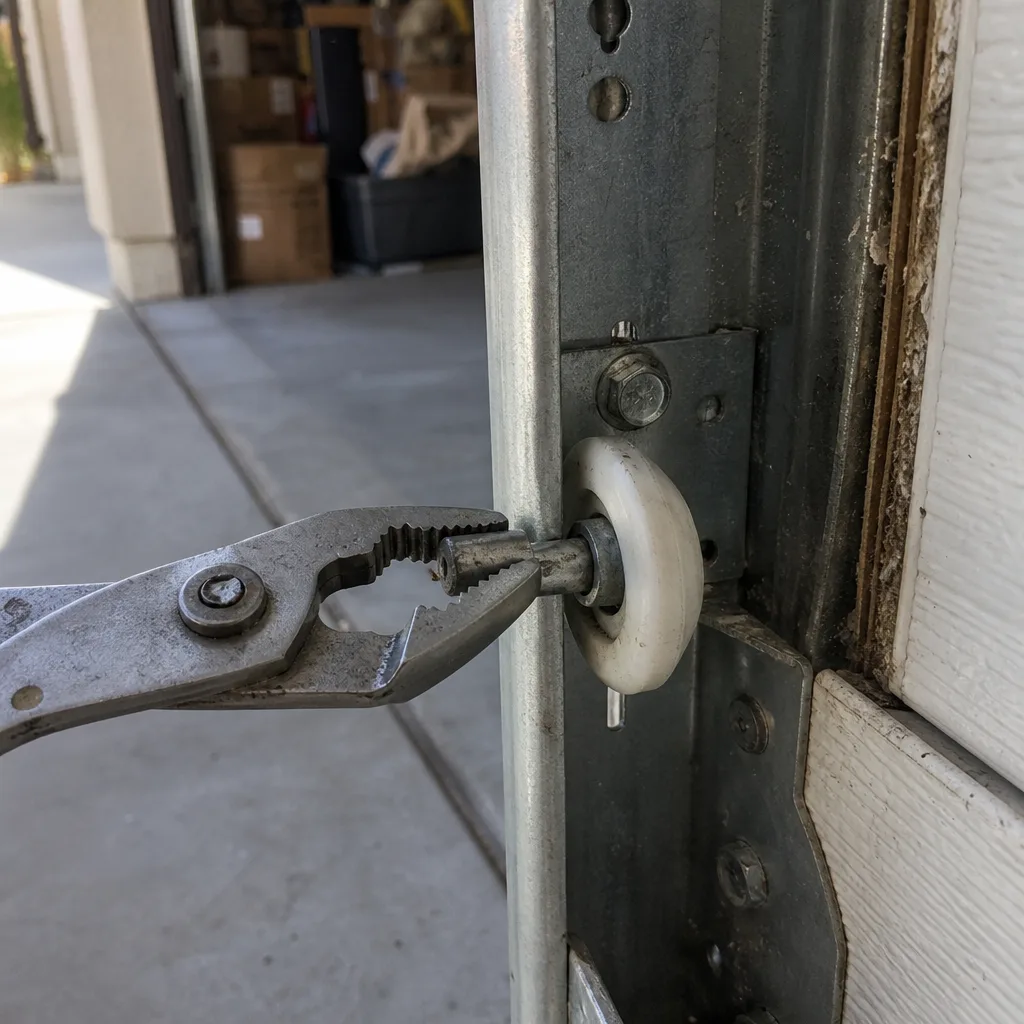
This is where most garage door maintenance advice goes wrong for Summerlin. The two common lubricants are white lithium grease and silicone spray, and they behave very differently above 100°F.
White lithium grease is a heavier lubricant that clings well and works in moderate climates. In desert heat, it can thin, migrate, and collect dust, turning into a gritty paste on your rollers. It’s not wrong, but it’s not the best choice for a Summerlin garage in July.
Silicone spray is lighter, doesn’t attract dust, and holds up better to high temperatures. It dries to a thin film rather than a wet coating, so it doesn’t gum up when the heat rises. For Summerlin’s climate, silicone spray applied every three months during summer is the better call.
What to lubricate and what to leave alone:
- Lubricate: Hinges, roller stems (not the roller surface that rides the track), the torsion spring, and the bearing plates.
- Don’t lubricate: The tracks themselves. Grease on tracks attracts dust and makes rollers slide instead of roll. Wipe tracks clean with a dry cloth instead.
- Never use: WD-40 as a long-term lubricant. It’s a solvent, not a grease, and it evaporates.
Get this right and your door runs quieter, your rollers last longer, and you avoid the sticky-grinding problem that plagues oil-lubricated doors in Summerlin every July.
How to Estimate Your Door’s Cycle Count
A cycle is one full open-and-close. Springs are rated in cycles, typically 10,000 for standard springs and up to 25,000 for high-cycle springs. The date on the calendar tells you nothing about how many cycles your door has done; the count does.
Here’s how to estimate it:
- Count daily cycles: A typical family uses the door 4 to 6 times a day. A retired couple might use it twice. Count when you leave and return most days.
- Multiply by days: 5 cycles a day times 365 is about 1,825 cycles a year.
- Add the age: A 6-year-old door at 5 cycles a day is around 11,000 cycles, already past a standard spring’s rating.
- Check for multi-use days: Homes with kids, delivery drivers, and dogs often hit 8 to 10 cycles on busy days. Adjust your estimate up.
Once you’re past roughly 7,000 to 10,000 cumulative cycles, get a spring inspection regardless of the season. In Summerlin, where heat adds to cycle wear, we recommend a professional spring check at that threshold even if the door still feels balanced.
Your Homeowner Self-Inspection Checklist
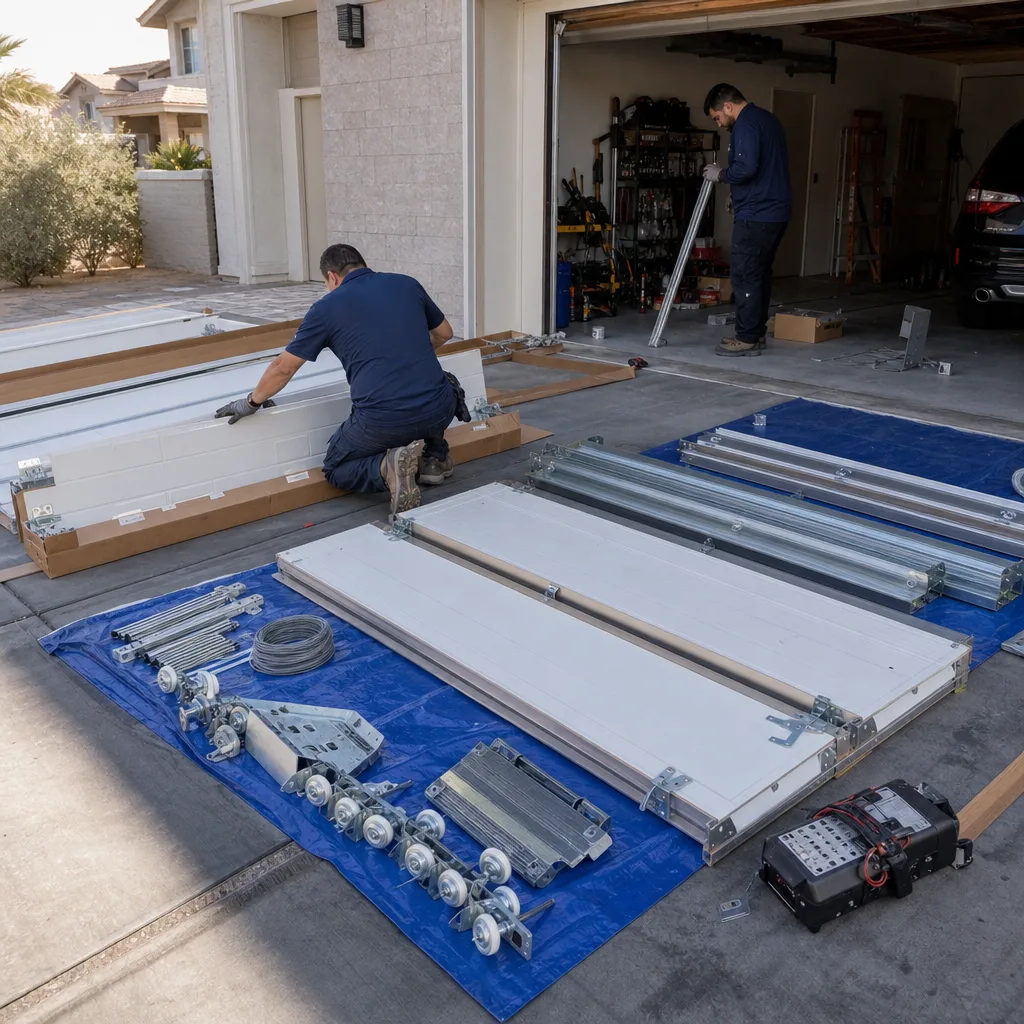
You can catch a lot of problems yourself if you know what to measure. Here’s a checklist formatted for monthly use. Photograph each item so you have a record of what changed over time.
- Balance test: Door held halfway by hand should stay put. Drops or rises = spring problem. Photograph the door at the halfway point.
- Spring gap: A visible gap in the coil means a fractured spring. Photograph the spring from the side.
- Cable condition: Look for fraying, kinks, or cable off the drum. Photograph the drums from the side.
- Roller wear: Rollers should be round and firm. Flat spots or wobble means replacement. Photograph a close-up of two rollers.
- Track alignment: Check that the tracks are straight and parallel. A gap at the bracket is a warning sign. Photograph the top and bottom brackets.
- Weather seal: Cracks or brittleness in the bottom seal. Photograph the seal from ground level.
- Safety reverse: Place a roll of paper towels in the door’s path. The door must reverse. Note pass/fail in writing.
Our photo-record practice started as a founding rule and is now Clause 4 of The Haven Standard: the customer sees the failed part before anyone quotes a replacement. Your own photos give you the same evidence, and they make a professional call faster.
The One Task You Should Never DIY
Most garage door maintenance is safe to do yourself: lubrication, cleaning, weather seals, visual inspection, testing the safety reverse. One task is not. Never adjust, remove, or replace torsion springs or the cables under tension yourself.
Torsion springs store enormous energy. A spring under proper tension can release that energy instantly, and the result is serious injury or worse. This isn’t a caution we add for legal reasons; it’s the reason garage door repair carries its own training requirements. The same applies to the cables: they’re under tension even when the door is down.
What that means for your checklist: you inspect, you photograph, you don’t touch. If your inspection shows a spring gap, a cable problem, or a door that won’t balance, that’s a professional call. Our garage door repair in Summerlin page covers the specific repair scenarios we see most, and springs lead the list.
Stay safe with everything else. Lubrication and inspection are homeowner-safe tasks and worth doing on schedule.
Common Mistakes to Avoid
- Following a six-month lubricant schedule in summer: In Summerlin, oil-based lubricant oxidizes and gums rollers in three months. Use silicone spray and reapply every three months during the hot season.
- Greasing the tracks: Tracks should be clean and dry. Grease attracts desert dust and makes rollers slide instead of roll, which causes premature wear.
- Skipping the October inspection: The post-summer check is the one that catches heat-caused wear. Most spring failures we see in Summerlin trace back to fatigue that built up over the summer and wasn’t caught in fall.
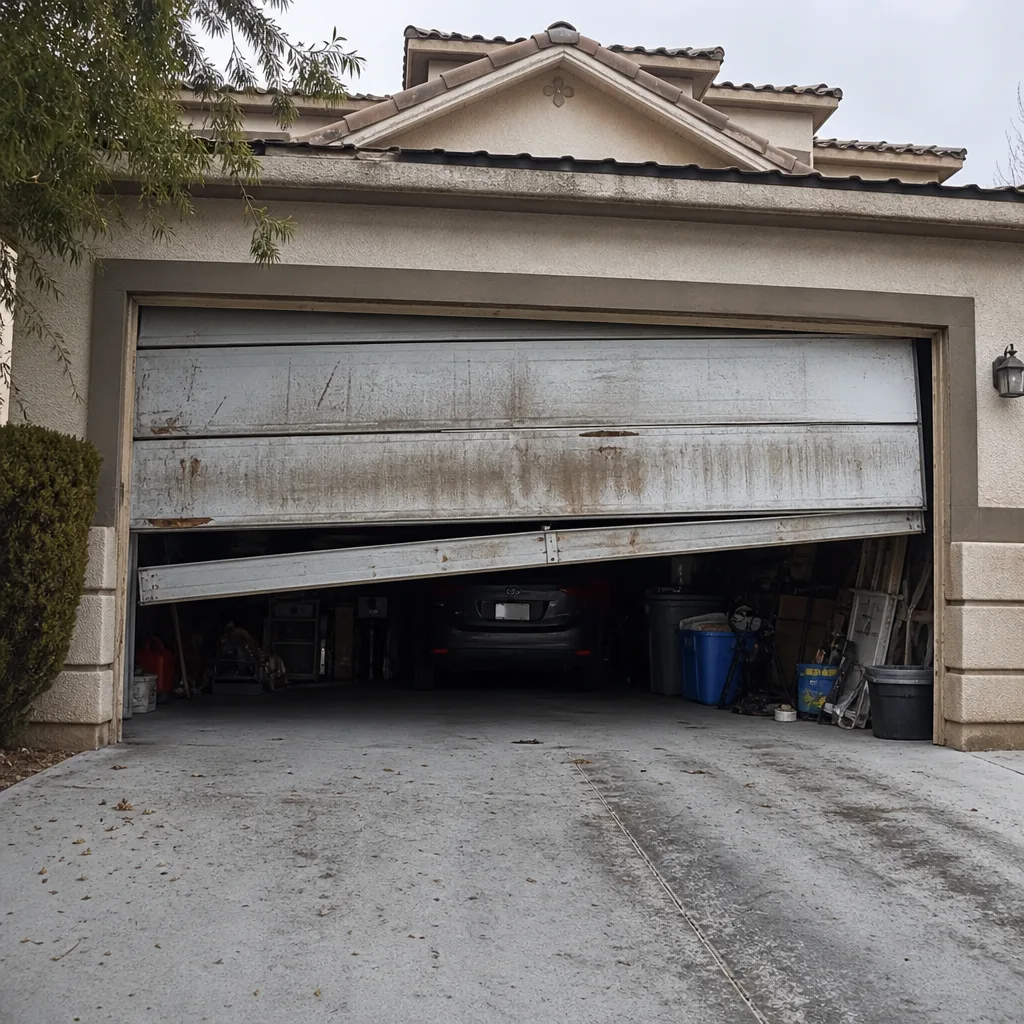
- Ignoring the balance test: If the door won’t hold halfway, springs are out of balance. Waiting for the door to fail completely costs more and risks damage to the opener.
- Using WD-40 as a lubricant: It evaporates. The hinges and rollers need actual lubricant, not a solvent.
- Assuming a new-looking door is fine: A 2020 door with a 10,000-cycle spring and 5 cycles a day is already past its rating. Age of the door isn’t the metric; cycles and heat are.
- Running the opener with a broken spring: That forces the opener to lift a door it wasn’t designed to lift, which can burn out the motor and, in a Genie or Wayne Dalton unit, damage the logic board.
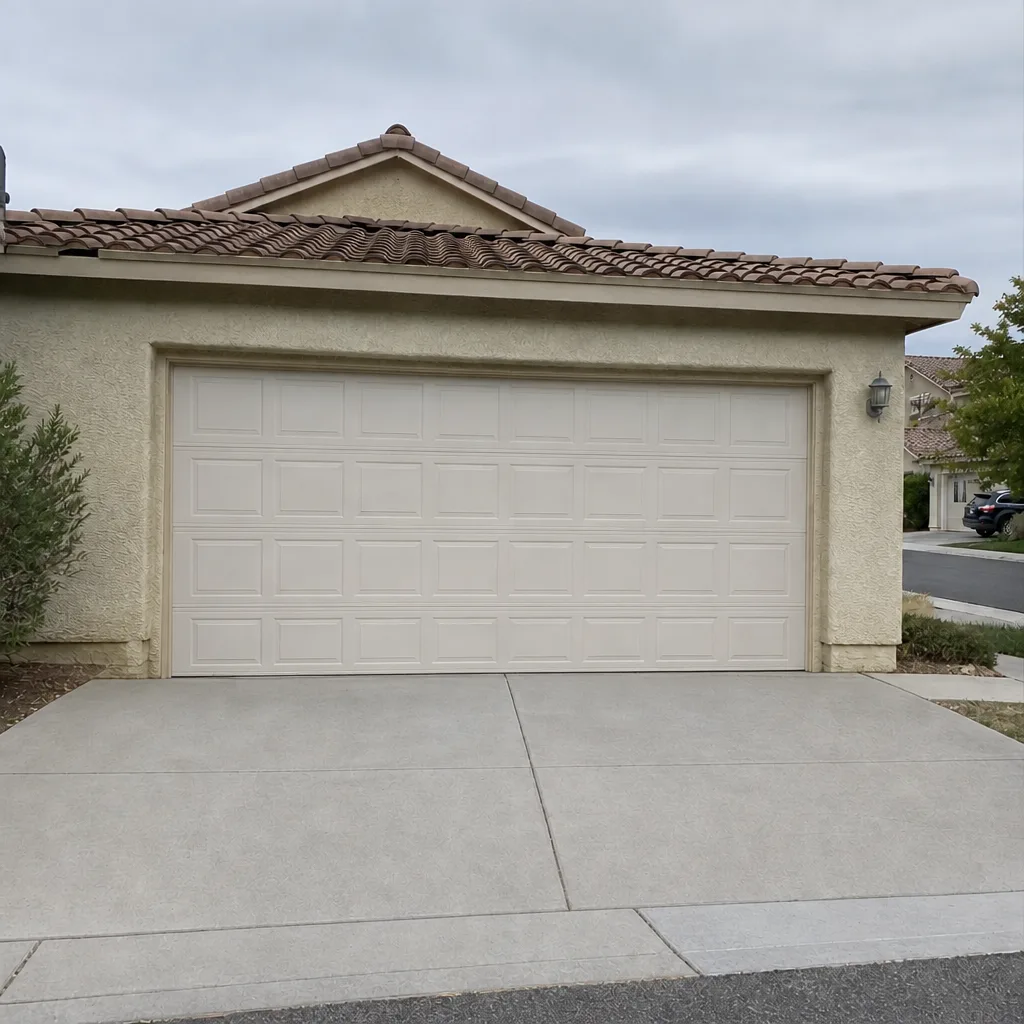
See the difference
BeforeAfter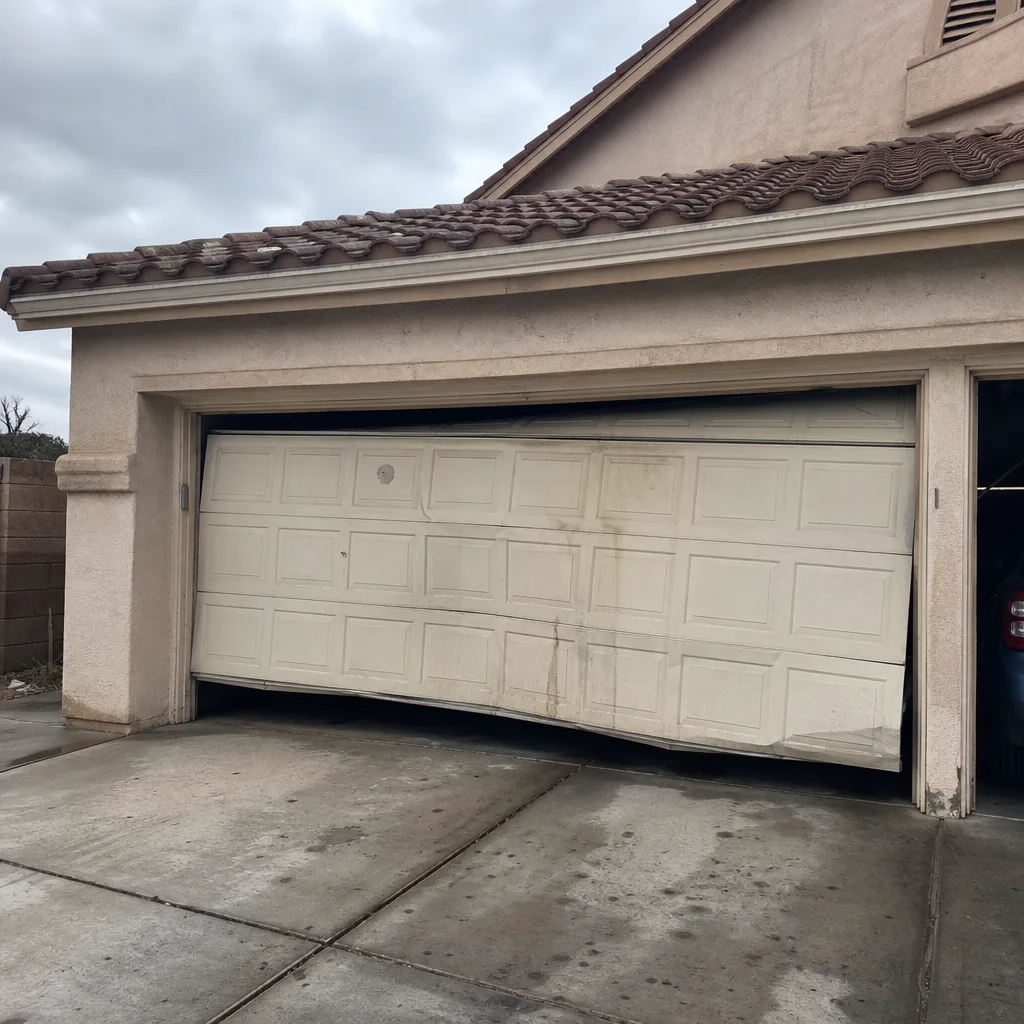 Before
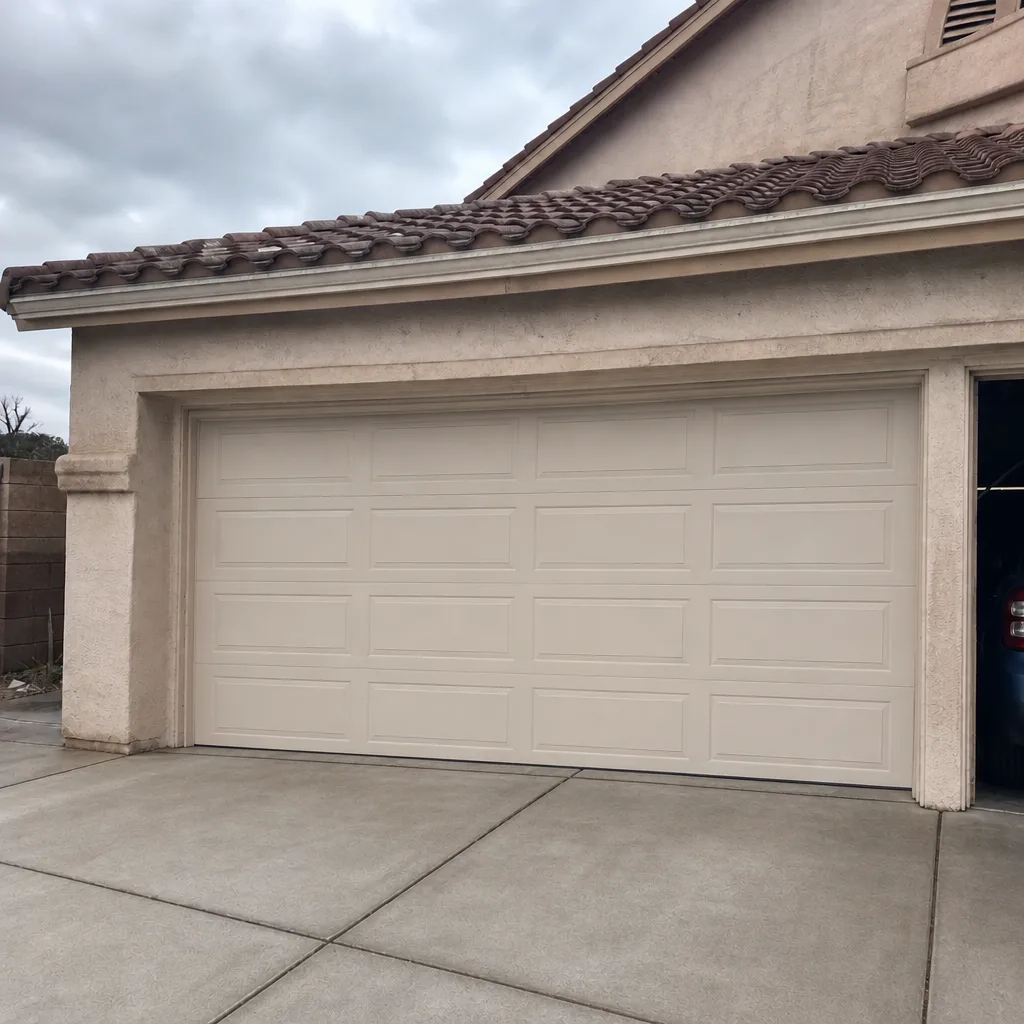 After
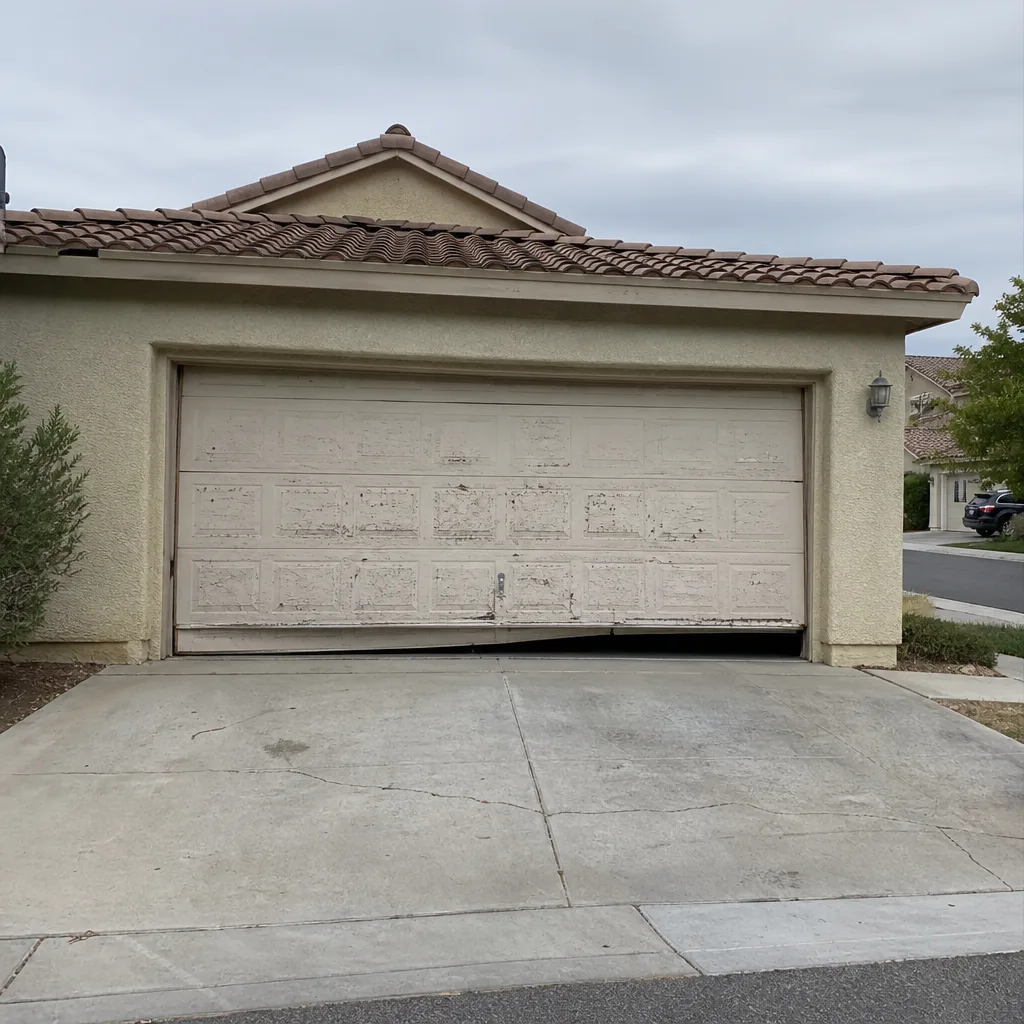 Before
 After
When to Call a Professional
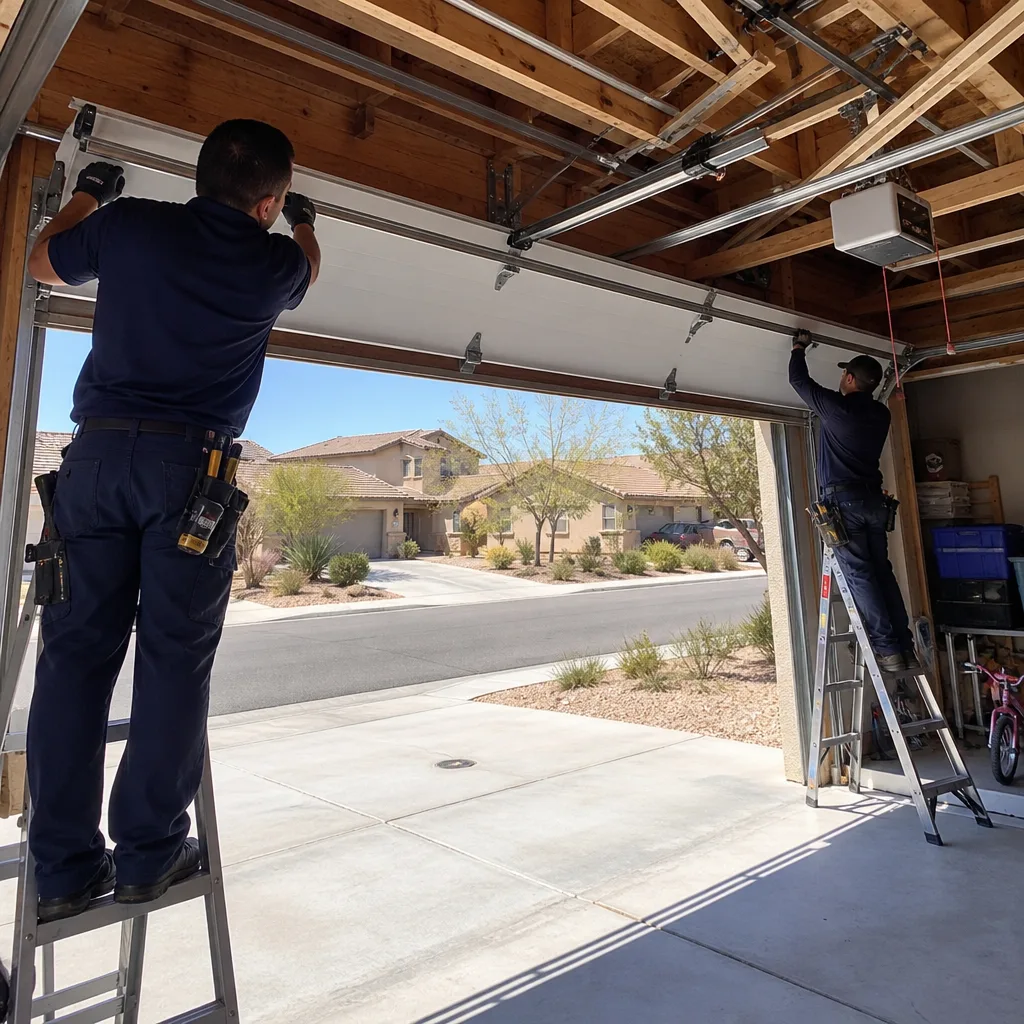
Call us for a professional garage door service when your inspection shows a spring gap, a cable problem, a door that won’t balance, or a door that reverses randomly. Also call if your door is past roughly 7,000 to 10,000 cycles, if the opener strains or grinds, or if you’re buying a home and want a full inspection before closing.
Our technicians in Summerlin bring a documented photo record on every visit. That means you see the failed part before anyone quotes a replacement, per Clause 4 of The Haven Standard. Flat, written pricing and written scope are delivered before any work starts (Clause 1), so “call for a quote” isn’t how we work. If you’ve got a written estimate from another company, bring it in and we’ll give you a free second opinion.
Servo Garage Doors Summerlin offers free estimates in Summerlin. Call (844) 797-3654 and a live person will answer, day or night. For installation or replacement, we’ll schedule a measurement and a written price rather than promise same-day service, because that work is measured and ordered, not dispatched.
Frequently Asked Questions
Every three months during the hot season in Summerlin, using silicone spray rather than oil-based lubricant. The six-month schedule in national guides assumes moderate climates; Summerlin’s 110°F+ summers cook lubricant off moving parts faster. Apply in March, June, September, and December to stay ahead of it.
Heat cycling. In Summerlin, a door cycles between cool nights and 115°F days constantly, and every cycle moves the spring slightly. Cumulative thermal stress plus cycle wear is what causes summer spring failures. The pre-summer inspection in March and April is your best defense, followed by the post-summer check in October.
No. Torsion springs store enormous energy and can release it instantly, causing serious injury. This is not a task for homeowners, and it’s the one item that should never appear on a DIY checklist. A licensed technician has the tools and the training to release the tension safely. Call (844) 797-3654 for a quote.
Count how many times the door opens and closes per day, multiply by 365, then multiply by the door’s age in years. A family using the door 5 times a day for 6 years is around 11,000 cycles, past a standard 10,000-cycle spring’s rating. Once you’re past 7,000 to 10,000, get a spring inspection regardless of season.
Photograph the door held halfway for the balance test, the torsion spring from the side for any gap, the cable drums, two close-up rollers, and the bottom weather seal. Take the same photos monthly so you can compare and catch gradual wear. Bring your photos to any service call; our technicians work the same way, documenting findings per The Haven Standard.
A maintenance tune-up in Summerlin typically runs $79 – $149 depending on door type and what’s included. Spring replacement runs $180 – $340, and opener repair runs $120 – $280. Every price is quoted and agreed in writing before any work starts, per Clause 1 of The Haven Standard. Call (844) 797-3654 for an exact quote; estimates are free.
No. The written price and written scope are delivered before any work begins, and that’s the price. If we find something outside the original scope, we explain it, show you the photo record, and give you a new written quote before proceeding. You approve it or you don’t.
Yes. Every technician who comes to your Summerlin home is background-checked and works on a job covered by license and insurance. The license number appears on our page, not buried in fine print. Every visit closes with a documented photo record of what was found and what was done.
For a broader look at what we handle across the neighborhood, start at our Servo Garage Doors Summerlin home, or explore garage door opener repair & installation in Summerlin if the opener is the part acting up. If you’re weighing a new door instead of a repair, our garage door installation in Summerlin page walks through the measurement and pricing process.
The Bottom Line
A calendar-based maintenance schedule doesn’t fit Summerlin. Build your schedule around the two inspection windows (March-April and October), use silicone spray every three months during summer, and track your cycle count rather than the date. Inspect and photograph monthly. Never touch the springs or cables yourself; that’s a professional call every time. Done right, your door will run quiet and safe through the worst heat Summerlin can throw at it, and you’ll catch trouble before it becomes a repair bill.
Servo Garage Doors Summerlin answers the phone with a live person 24/7, delivers written pricing before any work starts, and leaves every customer with a documented photo record. Call (844) 797-3654 for a free estimate.
Written by the team at Servo Garage Doors Summerlin.