
Last updated November 17, 2026
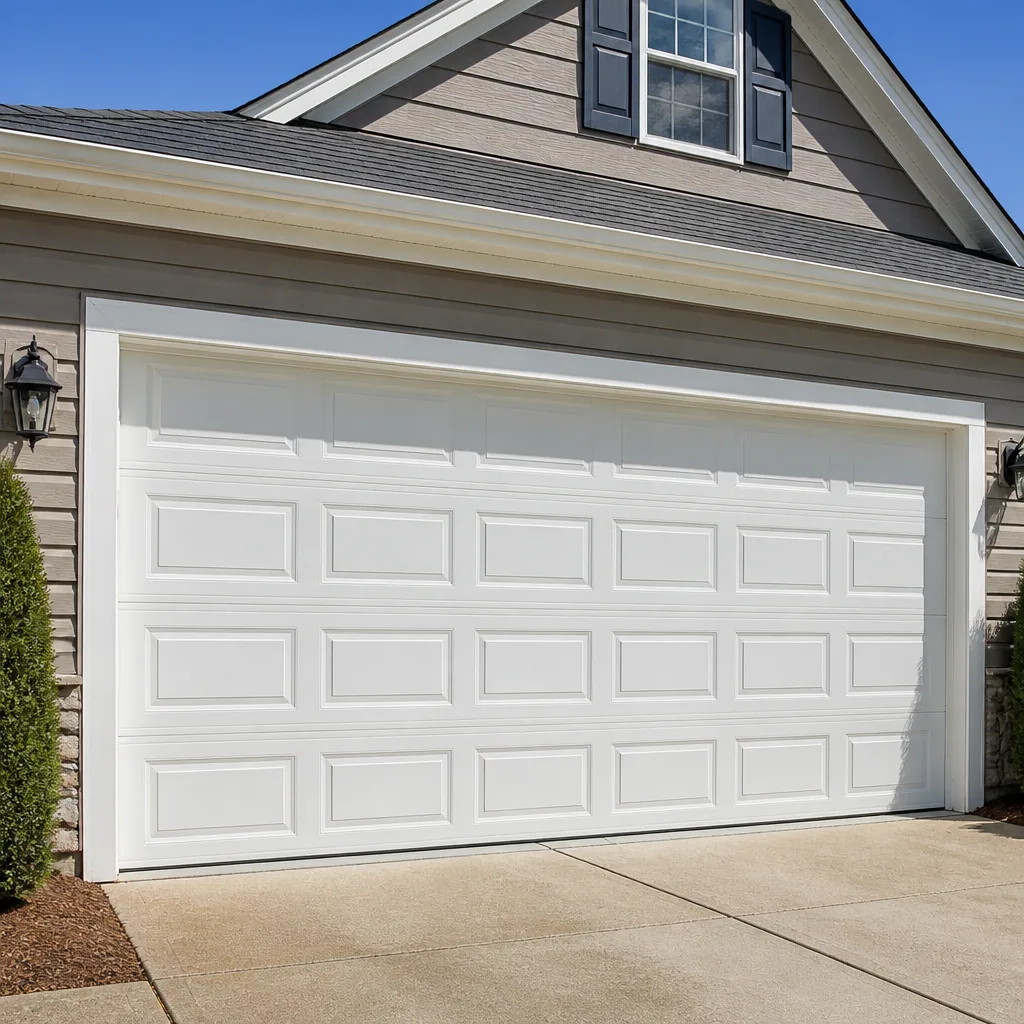 Raised-panel steel
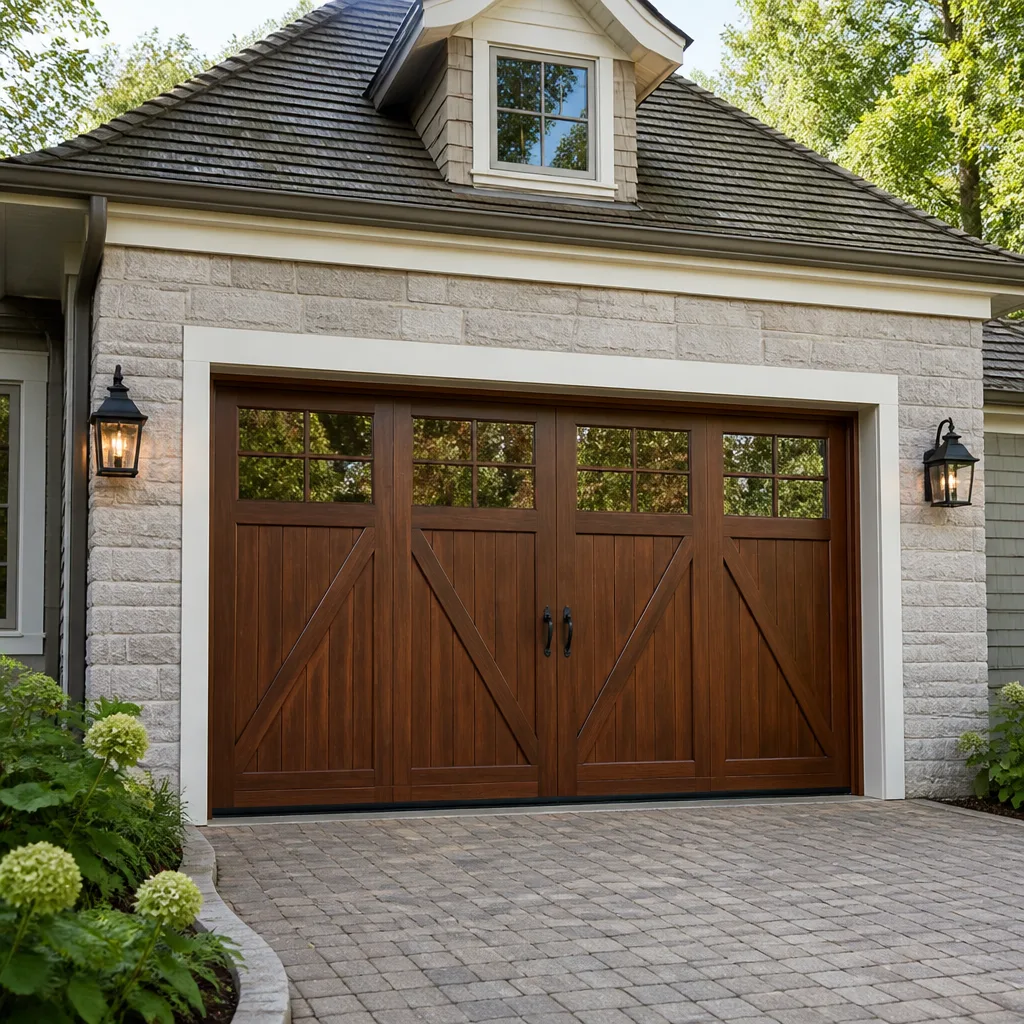 Carriage house
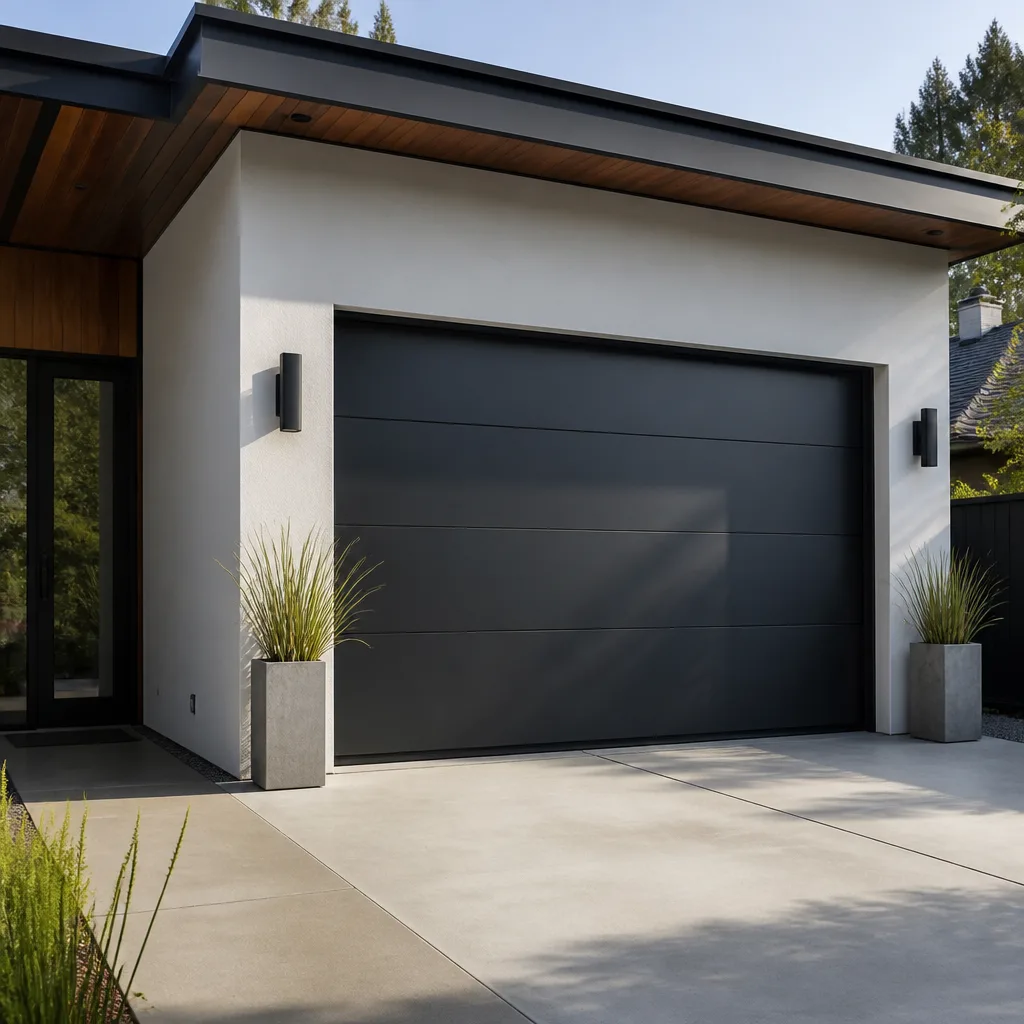 Modern flush
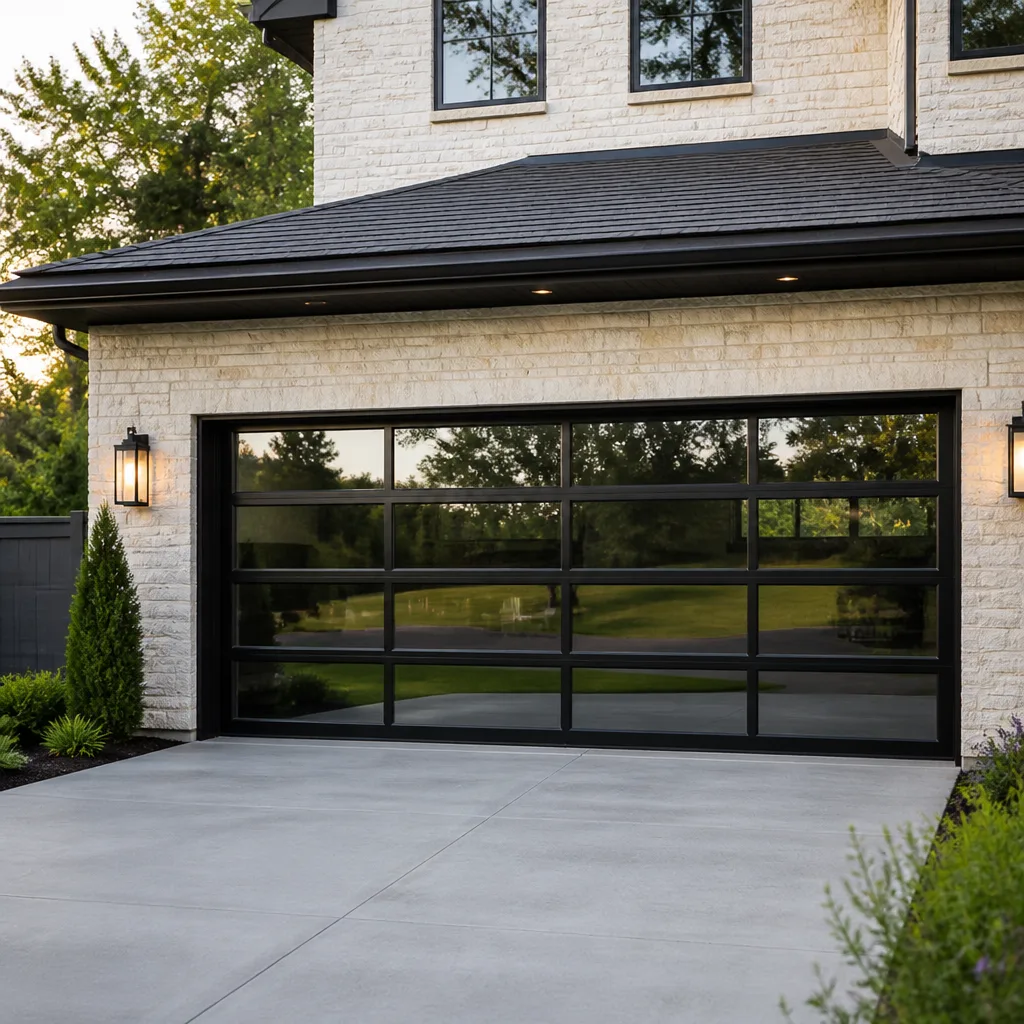 Full-view glass
 LiftMaster openers
 Chamberlain openers
Full 25-point door and opener safety check with every visit - springs, cables, rollers, tracks, and your LiftMaster or Chamberlain opener included
You get a price before we start. It does not change when the pro arrives.
Get your free estimateGarage Door Permits, Codes & Inspections in NV: What You Need to Know
Clark County issued more than 2,200 residential garage door permits in 2023. Most of them were for full replacements on homes built after 2000, which surprises people. Many Summerlin homeowners assume a new door that looks like the old one is a swap, not a construction project, and skip the paperwork. It almost always surfaces later, usually at resale. This guide separates the two systems that trip people up: the Clark County permit process, which follows the building code, and the HOA architectural review, which follows a community’s design guidelines and runs on its own clock. We’ll cover which scopes of work need what, what an inspection actually checks, and how to keep a clean paper trail. We work in Summerlin every week, so this is written from inside the local process, not from a state codebook.
Quick Answer
In Clark County, which governs Summerlin and the rest of unincorporated Las Vegas, a full garage door and frame replacement requires a building permit under the locally applied International Residential Code (IRC). Swapping a single damaged panel, replacing a spring, or repairing an opener generally does not. Separately, many Summerlin master-planned communities require an HOA architectural review for a full door replacement, sometimes even when the county permit is straightforward. You may need both approvals, and the HOA one can take longer.
Styles & brands we work with
- Raised-panel steel
- Carriage house
- Modern flush
- Full-view glass
- LiftMaster openers
- Chamberlain openers
Table of Contents
- When does a garage door project need a permit in Clark County?
- The HOA architectural review: Summerlin’s second approval process
- What a code-compliant installation inspection actually checks
- What happens at resale if a permit was skipped
- Pulling the permit yourself vs. using your contractor
- How Summerlin’s heat and wind shape the code requirements
- A step-by-step checklist for a compliant replacement
- Where Servo fits into the process
 Before
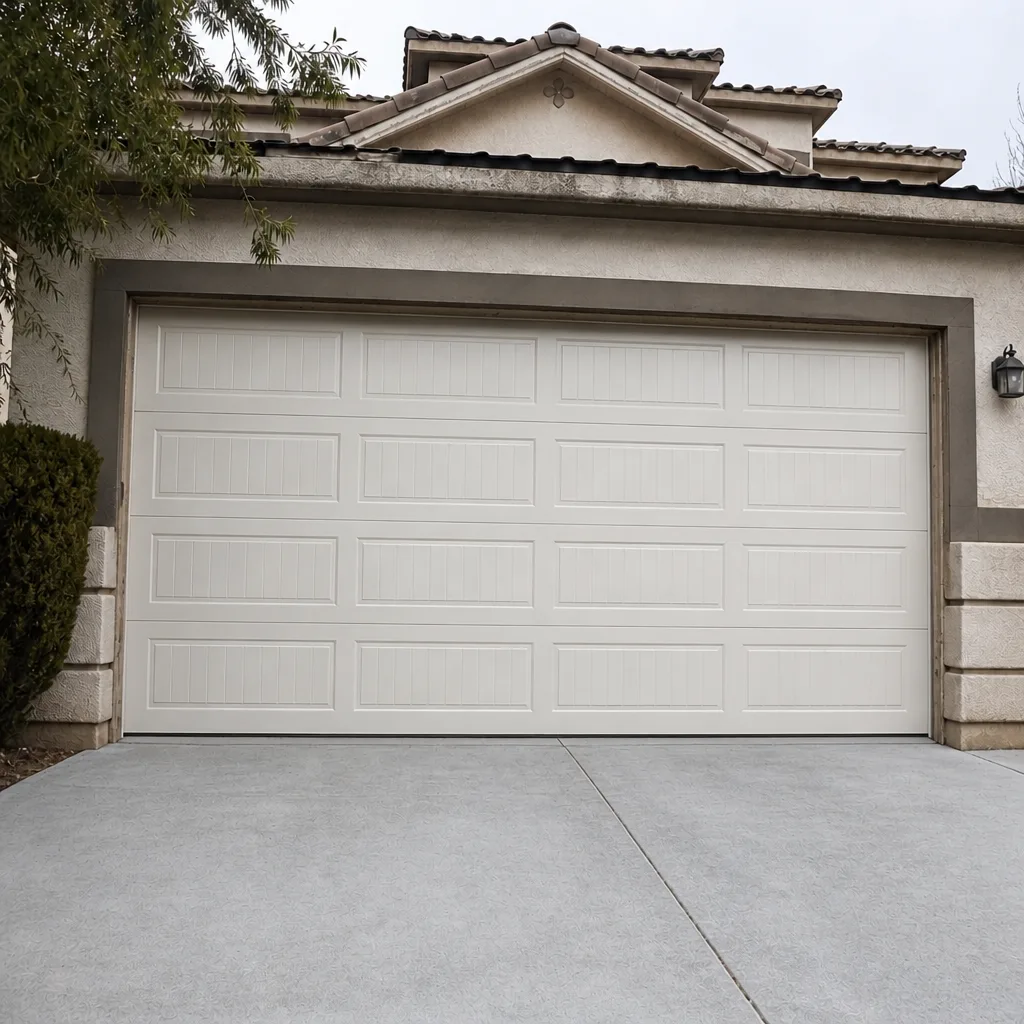 After
When does a garage door project need a permit in Clark County?
Clark County’s building department applies the International Residential Code, and the determining factor is scope, not appearance. The county’s line is straightforward once you know it: if you’re changing the structural opening or the full door and its framing, it’s a permit job; if you’re restoring a component, it usually isn’t. The gray area is a full door replacement in the same opening, which many contractors treat as a permit-required alteration because the door and its connections to the frame are being replaced as an assembly.
Here’s the practical breakdown for Summerlin homes:
- Requires a permit: full door and frame replacement, widening or changing the opening header, replacing the door on a home where the original was never permitted, structural changes around the opening.
- Generally exempt: single panel or section replacement, torsion spring or cable replacement, roller and hinge swaps, track adjustment, opener replacement on the existing door, weather seal and bottom seal work.
- The judgment call: a like-for-like full door swap in an existing opening. Ask the county permit desk directly before you order the door. In our experience, most full replacements in Summerlin post-2015 construction end up permitted because the door assembly is being replaced, not repaired.
If you’re unsure which side of the line you’re on, our Garage Door Repair in Summerlin page covers what qualifies as a repair versus a replacement for common failures. That distinction matters here because it decides whether you’re pulling paperwork or just booking a repair.
The HOA architectural review: Summerlin’s second approval process
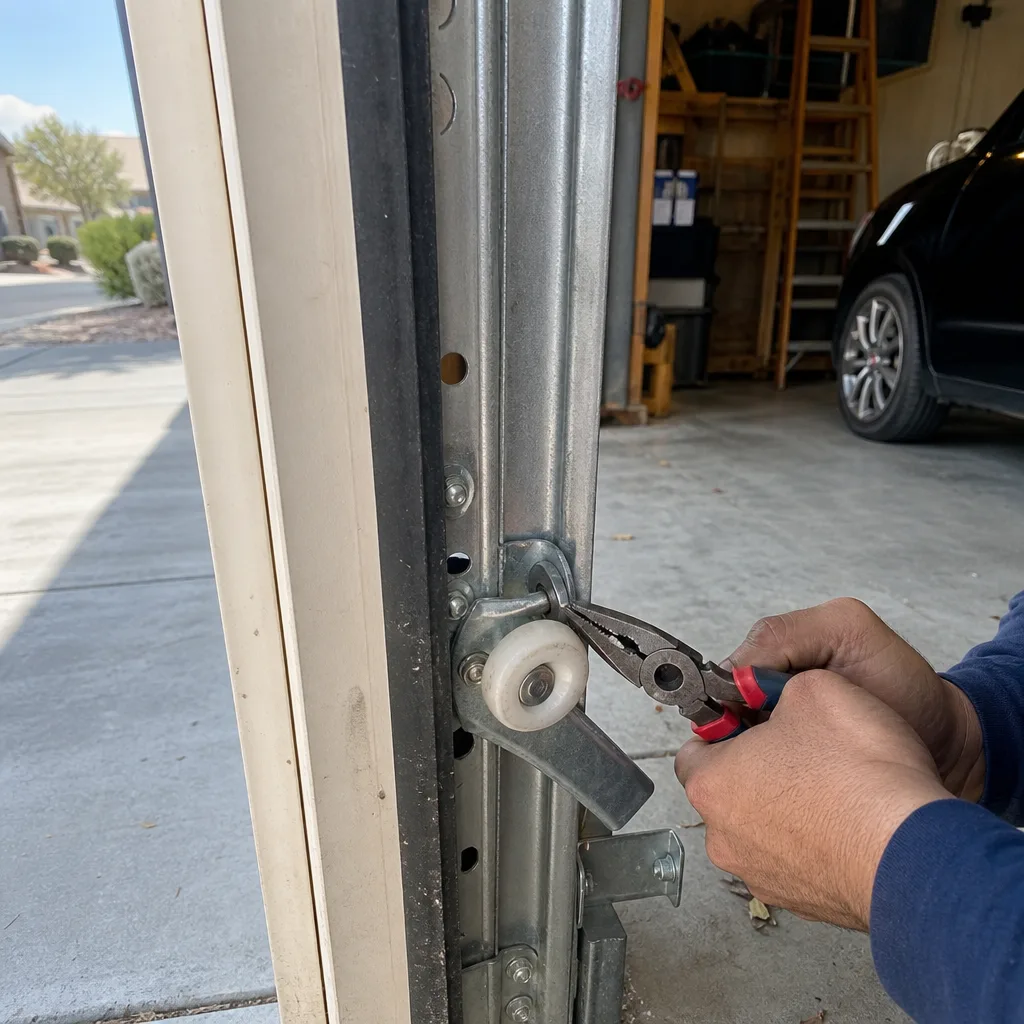
This is the part that catches homeowners flat. Summerlin’s master-planned communities, including Summerlin South, The Vistas, and Ridgeback, run their own architectural review process through their community associations. That review is entirely separate from Clark County permitting. It’s governed by the community’s design guidelines and covenant enforcement, not the building code, and its timeline is set by the association’s architectural committee, not the county’s inspection schedule.
What typically triggers review:
- A full door replacement where the style, color, or panel profile differs from the home’s original door.
- Any change to the door’s visible face, including window inserts and carriage-style hardware.
- Door color changes, even to a shade the manufacturer lists as standard.
What tends to get rejected or sent back, in our experience:
- A color that doesn’t appear on the community’s approved palette, even if it’s a close match to a neighbor’s door.
- Panel styles that read as more decorative than the surrounding streetscape, particularly in The Vistas where the original doors are plainer.
- Applications submitted without photos of the existing door and a spec sheet for the proposed one.
The timelines are the real story. The county permit process runs on inspection scheduling; the HOA review runs on committee meetings, which can mean weeks before a request is even heard. If a homeowner orders a door on a handshake and schedules installation before the architectural review clears, they can be stuck with a door they can’t legally hang. Get the HOA approval in hand before you place the order. That’s one of the reasons we schedule full replacements and measure rather than promise same-day work: the door has to be ordered and the approvals have to be in place first.
What a code-compliant installation inspection actually checks
When the county inspects a permitted garage door installation, it isn’t checking whether the door looks good. It’s checking the safety systems that the IRC and the door manufacturer’s listed installation instructions require. Here’s what a typical inspection covers, in the order the inspector usually works:
- Opener force limits. The close-force and open-force settings on the opener are measured against the limits in the manufacturer’s instructions. A door closing with too much force fails, because a person in the path could be injured. On a Chamberlain or Genie unit, the force adjustment is on the head unit and is set as part of install.
- Bottom seal contact. The bottom seal must meet the floor across the full width of the opening within tolerance. Gaps at the corners or a seal that doesn’t compress evenly are called out.
- Emergency release function. The manual release cord has to be reachable, functional, and properly attached to the trolley carriage, so the door can be disengaged from the opener by hand during a power failure or emergency.
- Photo-eye and entrapment protection. The safety reversing system has to be installed, aligned, and functioning. If the door reverses on contact or the photo-eye beam is blocked without triggering, it fails.
- Attachment and anchorage. The door tracks, brackets, and header connections are checked for secure attachment to the structure, and the door operates without binding or excessive travel.
For a Clopay or Amarr door, the manufacturer’s listed instructions are the reference, and the inspector expects those instructions to be on site or available. If you’re buying an opener as part of the project, our Garage Door Opener Repair & Installation in Summerlin page walks through what a compliant opener installation includes.
What happens at resale if a permit was skipped
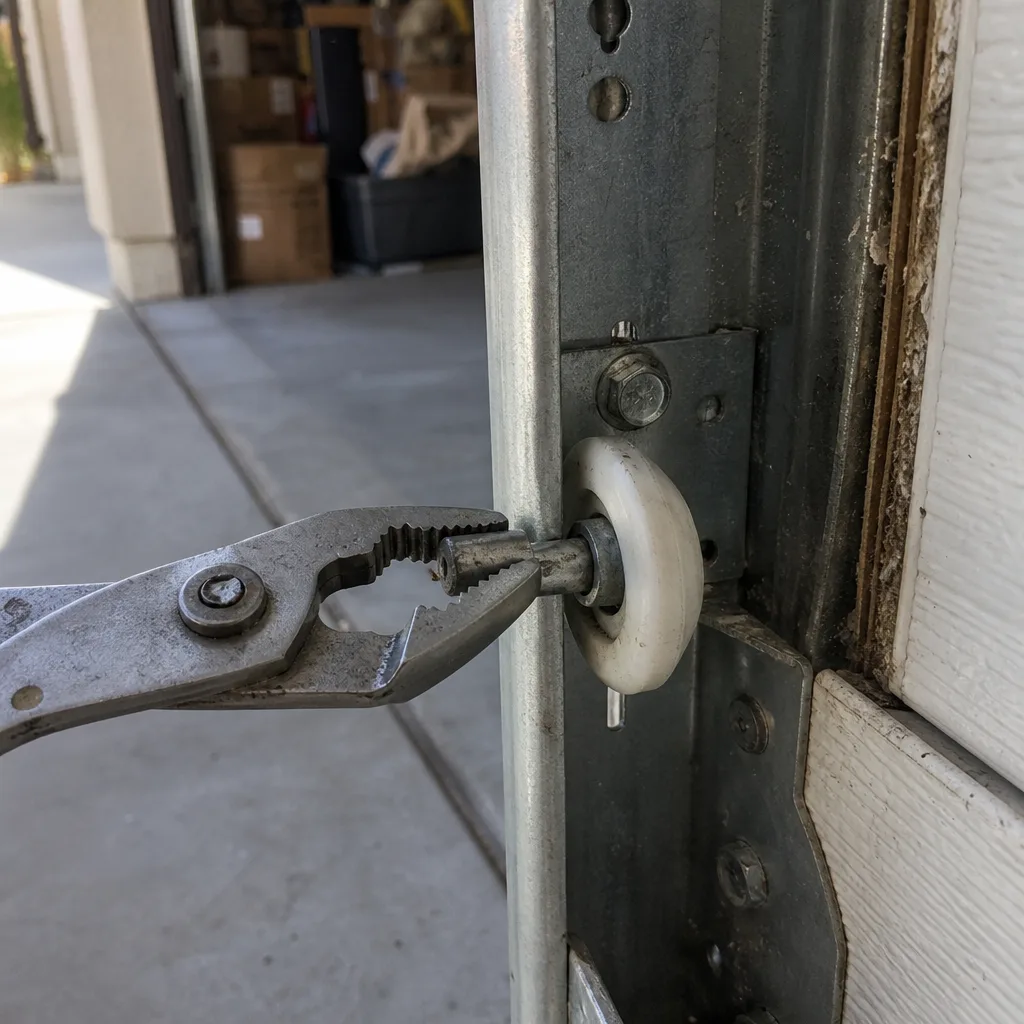
A skipped permit doesn’t stay skipped. When you sell a Summerlin home, the title search and the buyer’s inspection are where it surfaces, and it can delay or kill a closing. Here’s how it plays out, in our experience:
- Title and disclosure: Clark County records show all permitted work on the property. A door replacement that shows no permit becomes an open question on the seller’s disclosure, and an unpermitted alteration is something the buyer’s agent will flag.
- Buyer’s inspection: A home inspector checks the door’s operation and its connection to the opener. If the door looks newer than the home’s construction date and there’s no permit on record, it comes up.
- Lender and appraisal: Some lenders require evidence of permits for alterations before closing. An unpermitted structural change to the opening is the worst case; an unpermitted like-for-like door swap is more often a disclosure item than a deal-killer, but it still costs time and negotiating leverage.
- Retroactive permitting: You can sometimes pull a permit after the fact, but it means opening walls to verify framing and paying for an inspection you’d have paid for upfront. The cost difference is real, and it’s usually found at the worst moment, mid-escrow.
The cleanest position is a permit on record from the start. That’s the whole case for doing the paperwork, and it’s the same logic behind our Garage Door Installation in Summerlin process, where the written scope includes the permit responsibility before any work starts.
Pulling the permit yourself vs. using your contractor
You can pull the permit yourself as the homeowner on an owner-occupied single-family home in Clark County. It’s legal, and it’s not complicated, but it changes who carries the risk. When the homeowner pulls the permit, the homeowner is responsible for the work meeting code and for scheduling and passing the inspection. If the installation fails inspection, the county looks to the permit holder, which is you.
When the contractor pulls the permit, the contractor is the responsible party. That’s a cleaner paper trail for resale because the permit record ties the work to a licensed contractor’s name, not to you, and the inspection history lives on the contractor’s record. If you’re planning to sell within a few years, that distinction is worth the small added cost. Here’s the short version:
- Homeowner pulls: lower upfront cost, owner holds the compliance risk, inspection falls on you to schedule and manage.
- Contractor pulls: contractor holds the risk, the record is attached to the business that did the work, cleaner for resale and resale-adjacent refinancing.
Either is legal. The question is which one you want to be able to point to. If you’re working with a company that pulls the permit as a matter of course, ask for the permit number and the inspection record when the job closes. Our process delivers a written scope and a documented photo record of findings and completed work at the end of every visit, and the permit record is part of the paperwork when the job is a permitted replacement. You can see how the pieces fit together on our Servo Garage Doors Summerlin home page, and if you’d like a second look at an estimate you already have, our free second opinion on any written estimate from another company is a real offer, no code required.
How Summerlin’s heat and wind shape the code requirements
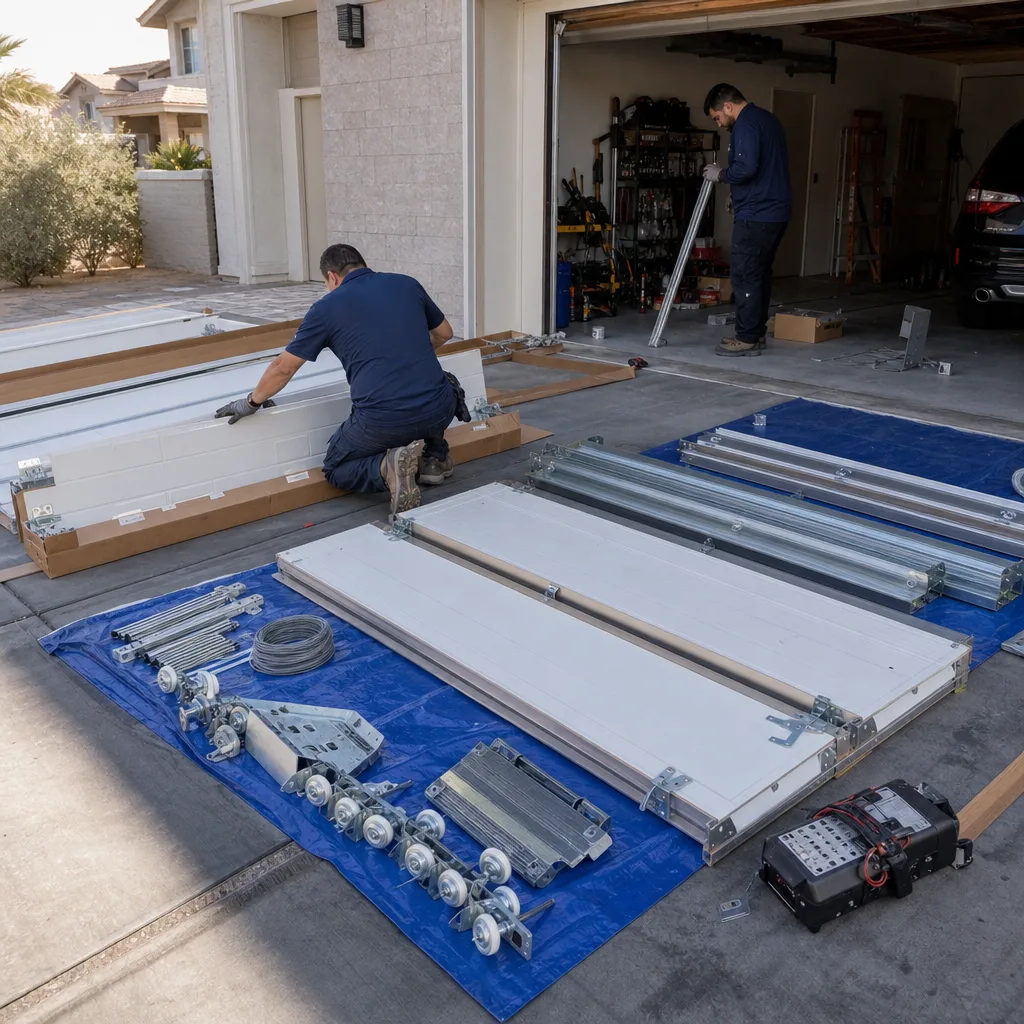
The high desert here isn’t a footnote to the code; it’s part of why the requirements exist. Summerlin runs 100-plus degree summer days, and that heat cycles the springs, seals, and rollers on a door every single day. A torsion spring at 0.25-inch wire diameter loses tension faster in that heat than it would in a mild climate, and a bottom seal that’s compressed flat by August lets in the fine dust and the hot air. The inspection checks on seal contact and force limits aren’t arbitrary; they’re the two failure points the desert climate works on hardest.
Wind matters too. Summerlin sits along the western edge of the valley, and the afternoon gusts and occasional high-wind events put load on the door and its anchorage. That’s why the inspection checks track and bracket attachment so closely. In our experience, doors on the west-facing elevations in Summerlin South take more wind load than the ones on interior streets, and we see more bracket loosening on those elevations over a few seasons. If the inspection calls out an attachment issue, it’s not a technicality. It’s the part of the door that keeps it in the opening when the wind gets serious.
Heat also affects the HOA side. Color fading and panel warping show up faster here than in milder markets, and that’s part of why the design guidelines in the Summerlin communities are specific about approved palette and materials. A door that looked fine on the color chip can look two shades lighter after three summers. Choose the approved color, not the one that matches the chip.
A step-by-step checklist for a compliant replacement
Here’s the order that keeps both approvals moving and avoids surprise costs. Run it in sequence; don’t skip ahead.
- Confirm the scope. Establish whether it’s a repair or a full door and frame replacement. If it’s a repair, stop here; no permit or review is needed.
- Check the HOA design guidelines first. Pull the community’s architectural guidelines and approved color palette. If a door color or style isn’t on it, revise the plan before spending a dollar.
- Submit the architectural review application. Include photos of the existing door, the proposed door’s spec sheet, and the color reference. Wait for the committee decision. Don’t order the door until it clears.
- Confirm the permit requirement with Clark County. Ask the permit desk directly about your scope. If it’s a full replacement, submit the permit application and pay the fee.
- Order the door with the approved spec. The door you order should match the HOA approval and the permit application exactly.
- Install to the manufacturer’s listed instructions. Keep the installation instructions and the manufacturer’s spec sheet on site for the inspector.
- Schedule the inspection. Set it through whoever holds the permit. Have the opener’s force settings and photo-eye function verified before the inspector arrives.
- Collect the paperwork. Permit record, inspection sign-off, and the photo record of the completed work. Keep them together for resale.
If a step fails, it’s almost always step three or step four, and it’s almost always because the sequence ran out of order. The homeowner ordered a door before the committee heard the application, or the installation was scheduled before the permit cleared.
Where Servo fits into the process
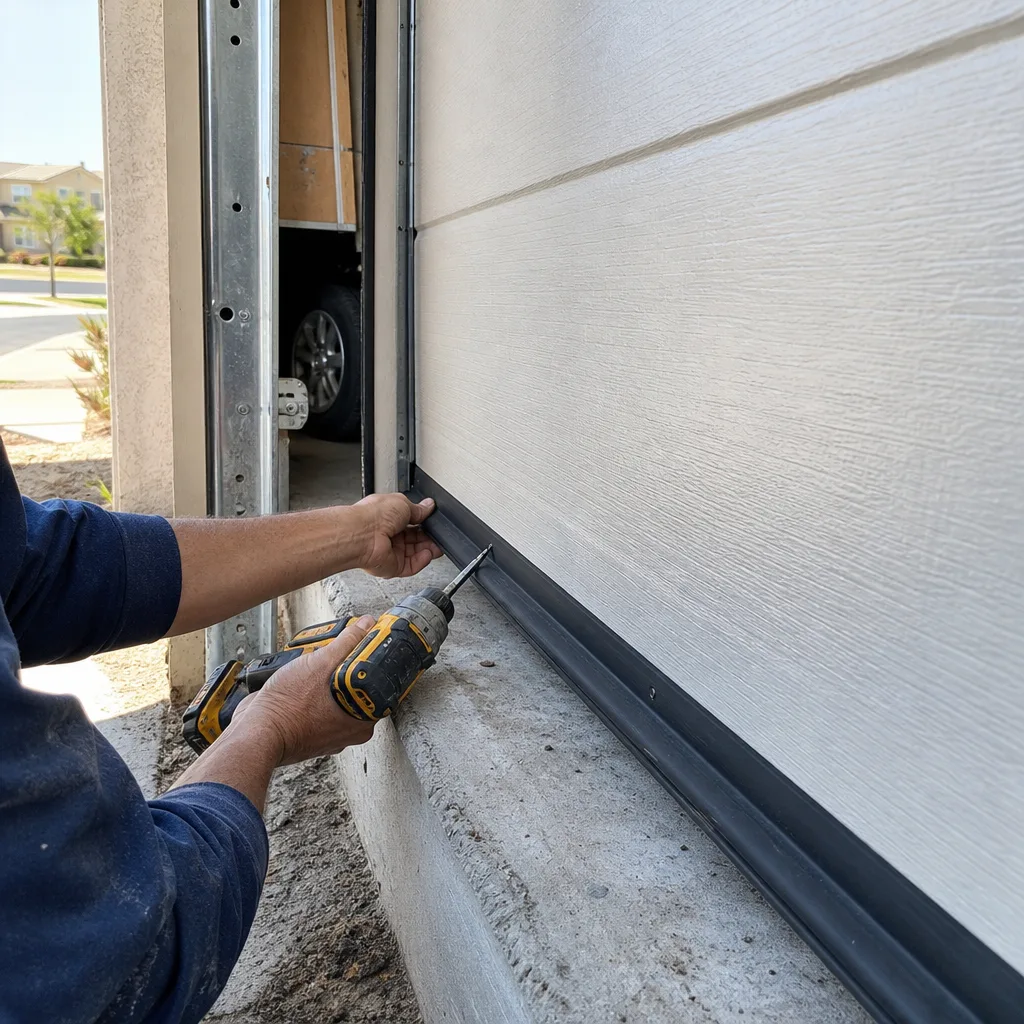
We don’t ask you to trust a verbal promise. On every job, we photograph the failed component and name it before quoting a replacement, which is Clause 4 of The Haven Standard, and you get a flat, written price with a written scope before any work starts, which is Clause 1. That’s how our written-price-first system works: you see the evidence, then the price, then the work. Our technicians have up to 11 years of experience, and the license and insurance belong to the local business that holds them, not to us. What we bring is the documentation system and a standard the business agrees to work to.
We service all eight major brands, including LiftMaster, Chamberlain, Genie, Clopay, Amarr, Wayne Dalton, Craftsman, and Raynor, and we’ve made more than 18,000 garage doors right since 2015, every one with a written price before work started and a documented record when the technician left. On a permitted replacement, the scope tells you who pulls the permit and what happens at inspection, in writing, before a door is ordered.
Common Mistakes to Avoid
- Assuming a like-for-like door is exempt. In Summerlin, a full door and frame replacement on post-2015 construction is usually a permit job, even when it looks identical to the original. Check with the county before ordering.
- Ordering the door before the HOA review clears. The architectural committee in Ridgeback or The Vistas runs on its own schedule, and a door that arrives before approval can sit in a garage for weeks. Get the approval first.
- Choosing a door color off the chip. Summerlin’s heat fades and warps panels faster than milder climates, and a color that matched on paper can look too light after three summers. Match the approved palette.
- Letting the contractor skip the inspection. If a permit is pulled but the inspection is waved through, you have a permit file with no sign-off, which is worse than no permit at all at resale.
- Not collecting the permit and inspection record. The photo record and permit paperwork live in a folder that you’ll need years later. Keep them with the closing documents.
- Skipping the force and photo-eye checks. These are two of the most common inspection failures, and they’re also the two checks that protect a child or a pet under the door. Verify both before the inspector arrives.
See the difference
BeforeAfter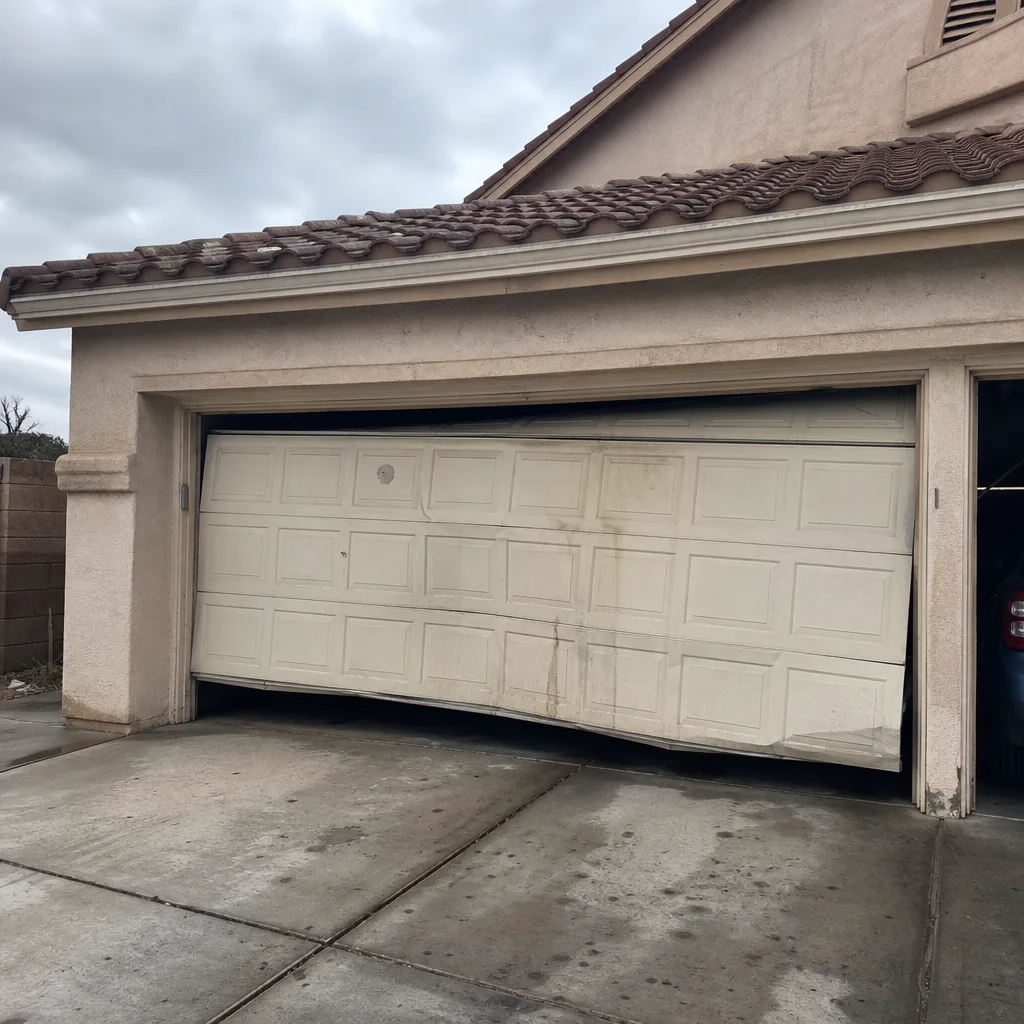 Before
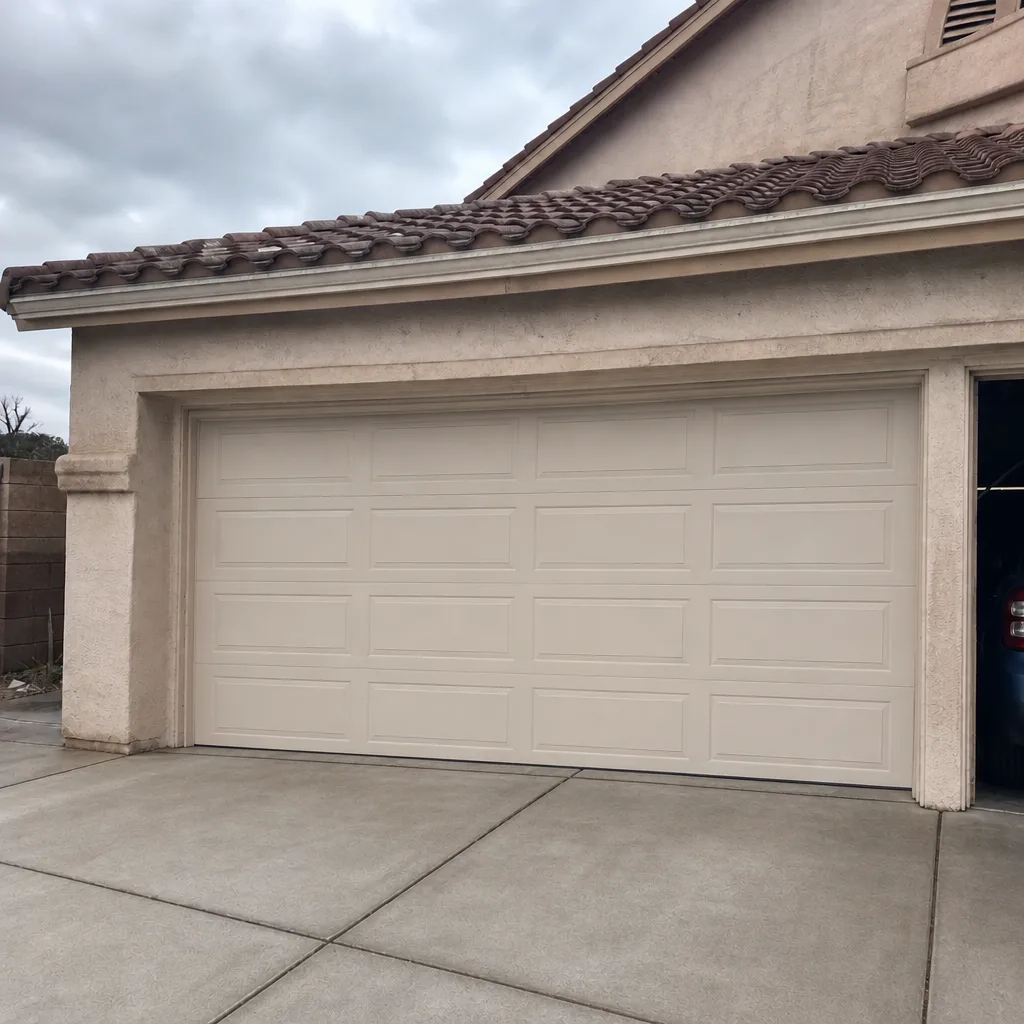 After
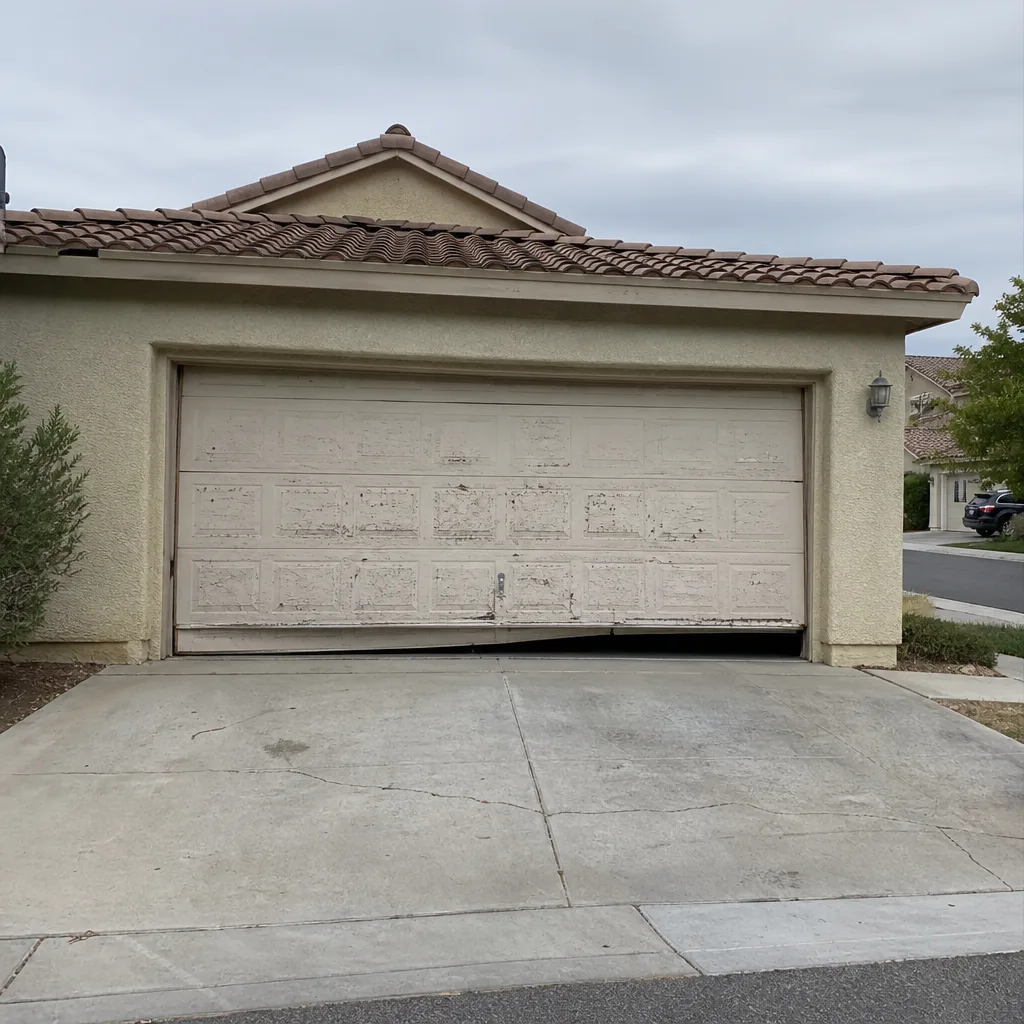 Before
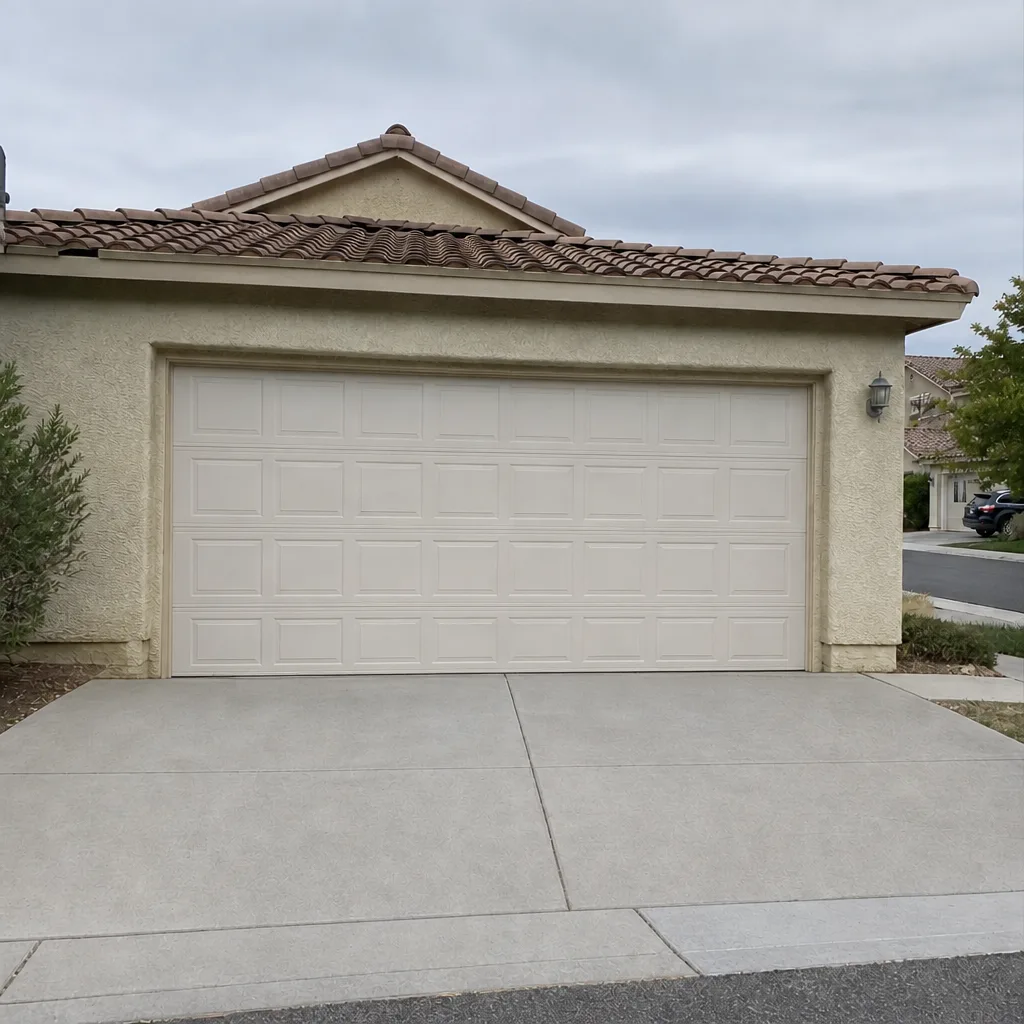 After
When to Call a Professional
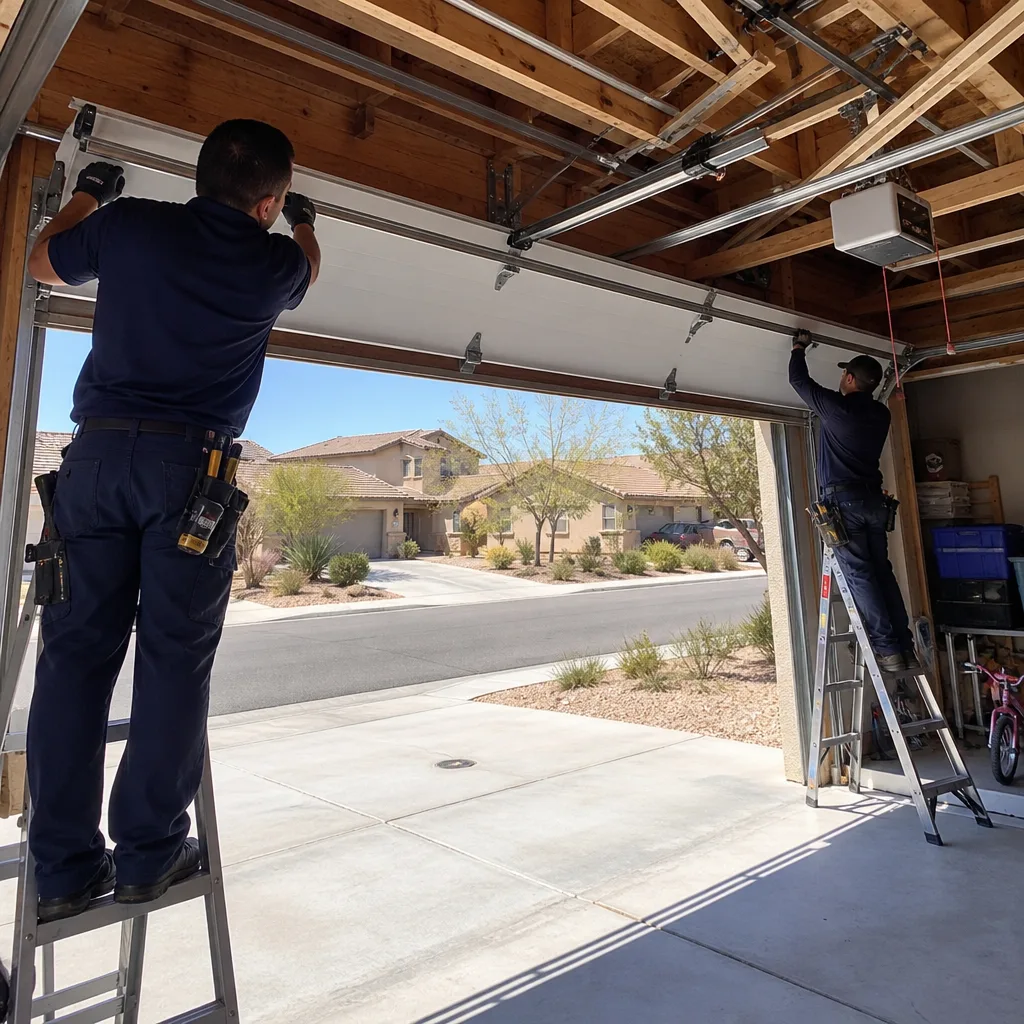
Some of this work is paperwork a homeowner can do, and some of it isn’t. If you’re already holding a permit and the installation fails on force limits or bottom seal contact, that’s a call. If a torsion spring or cable has let go, stop and call a trained technician; the springs are under enough load to cause serious injury, and there’s no safe DIY path. If the HOA review comes back with a condition you don’t understand, call before you resubmit. And if you’re looking at an estimate for a full replacement and want a straight read of whether the scope includes permit and inspection, that’s the free second opinion; bring the paperwork. Servo Garage Doors Summerlin offers free estimates in Summerlin, call (844) 797-3654.
Frequently Asked Questions
A full door and frame replacement generally does, while single panel, spring, and opener repair generally doesn’t. The county applies the International Residential Code locally, and the deciding factor is scope, not whether the new door looks like the old one. Call (844) 797-3654 for an exact quote on your replacement; estimates are free.
Yes. The two approvals are independent. The county permit addresses code compliance; the Summerlin community’s architectural review addresses design guidelines and the approved color palette. A door can pass inspection and still be rejected by the committee if it isn’t on the approved list. Run the HOA review before you order the door.
No. We deliver a flat, written price and a written scope before any work starts, per Clause 1 of The Haven Standard. What you see in writing is what you pay; if the scope changes, that’s a conversation before work resumes, not a line item on the invoice. Call (844) 797-3654 for an exact quote.
It varies by community and committee meeting schedule, but plan for weeks, not days, because the review runs through scheduled architectural committee meetings rather than the county’s inspection calendar. In our experience, homeowners who submit a complete application with photos and a spec sheet move through faster than those who resubmit. Call us if you’d like help assembling the packet.
Usually, yes. It surfaces in the title search, the seller’s disclosure, or the buyer’s inspection, and a door that looks newer than the home without a permit on record gets flagged. Retroactive permitting is possible but costs time and money mid-closing. The clean position is a permit on record from the start.
Yes. The local business we work with holds its own license and insurance, and our technicians are background-checked and uniformed, with the license number on the page, not buried in fine print. Our technicians have up to 11 years of experience, and every visit ends with a documented photo record of what was found and what was done. Call (844) 797-3654 for a free estimate.
The Bottom Line
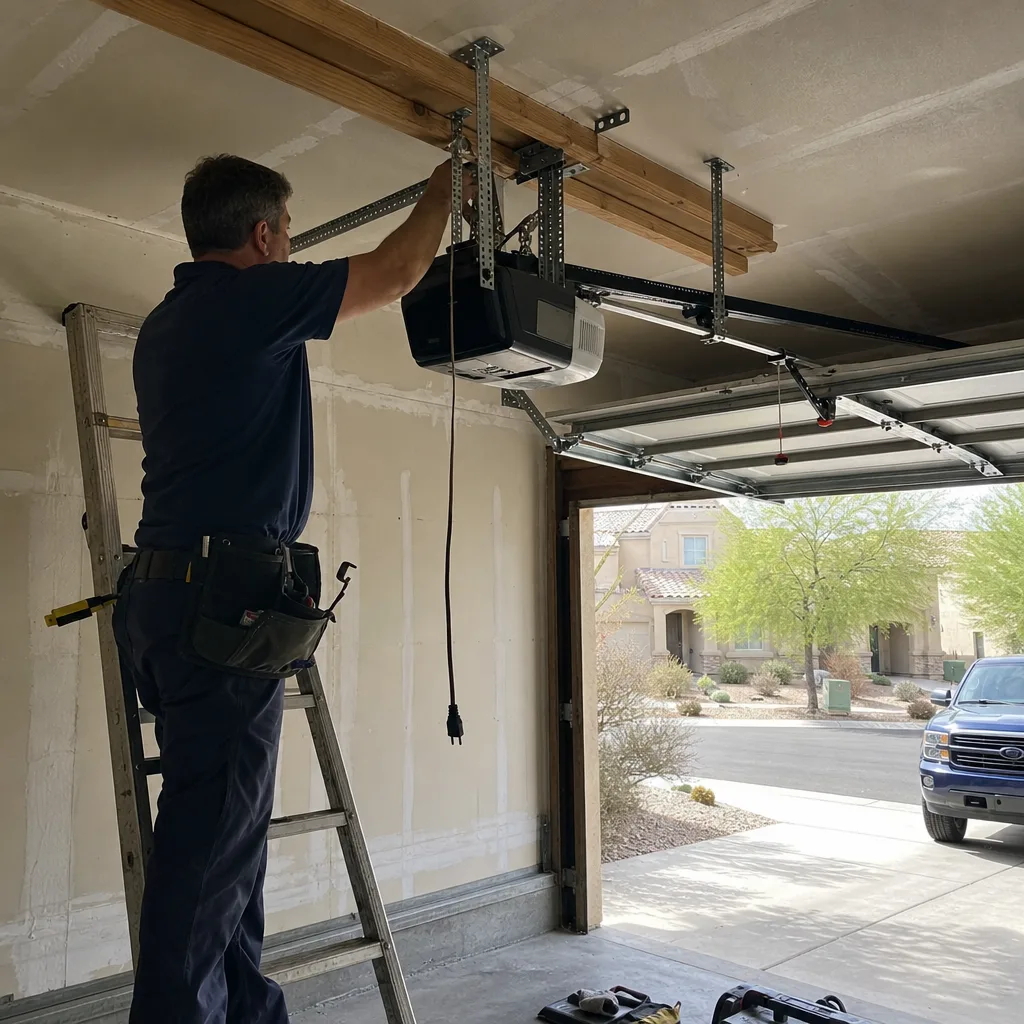
Two systems run your Summerlin garage door project, and they don’t talk to each other. Clark County permitting follows the code and decides whether the installation meets force, seal, release, and anchorage requirements. The HOA architectural review follows community design guidelines and decides whether the door is allowed to look the way it does. A repair generally needs neither; a full door and frame replacement usually needs both. Run the HOA review first, confirm the permit with the county second, order the door third, and keep every piece of paperwork for resale. The heat and wind here make the code checks matter more than the average, not less. If you’re staring at a scope and want a straight read, we’ll quote it in writing before anyone touches the door.
Call Servo Garage Doors Summerlin at (844) 797-3654 for a free estimate. We deliver a written price and a written scope before any work starts, answer the phone live around the clock, and leave you with a documented photo record on every visit.
Written by the team at Servo Garage Doors Summerlin.